
AQA GCSE Physics Waves in a Liquid practical - calculating wave speed by measuring frequency and wavelength. Combined & Triple Science.
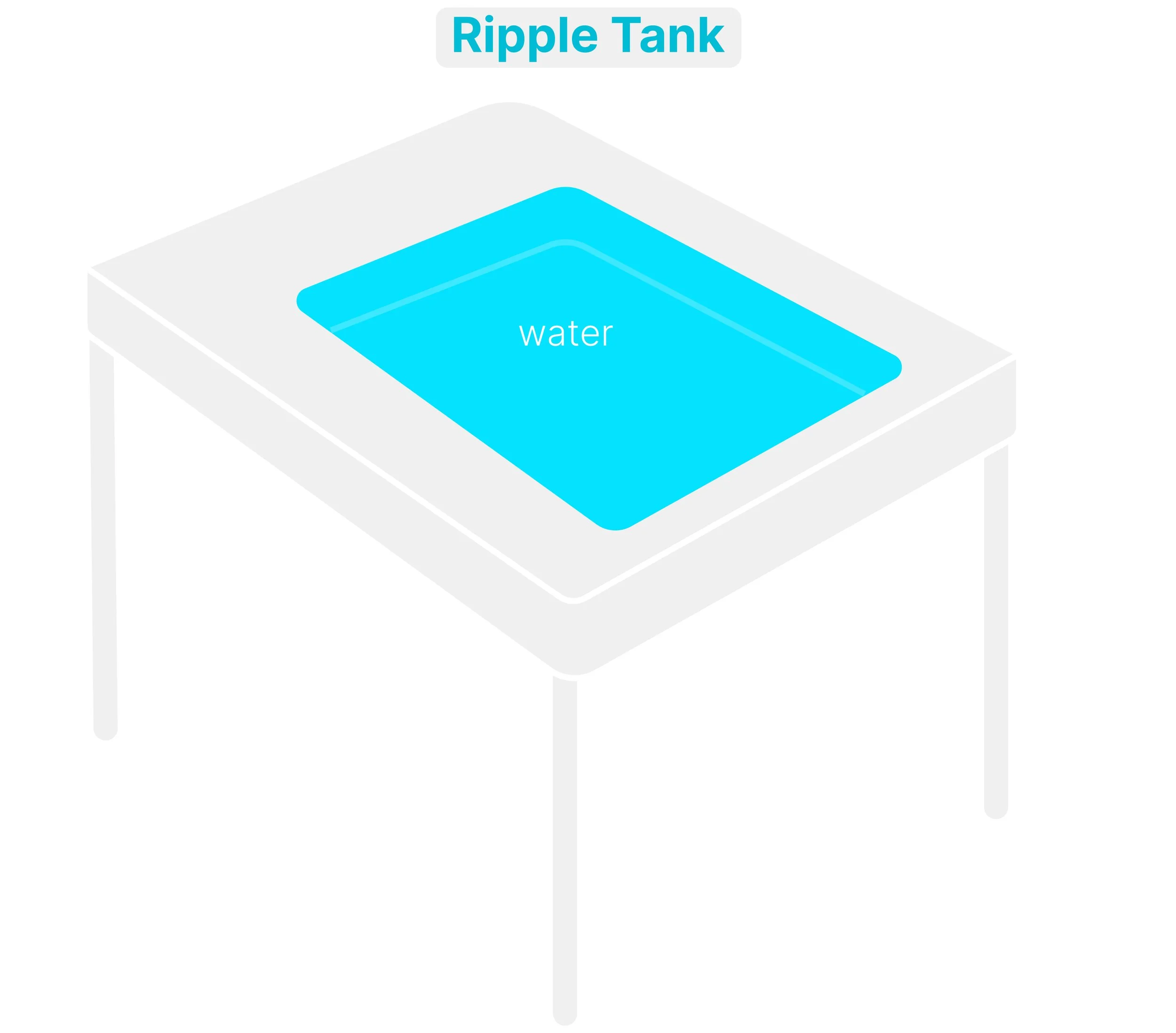
A student investigates how fast waves move in a Ripple Tank.
Describe a method to calculate wave speed using frequency and wavelength.
[6 marks]
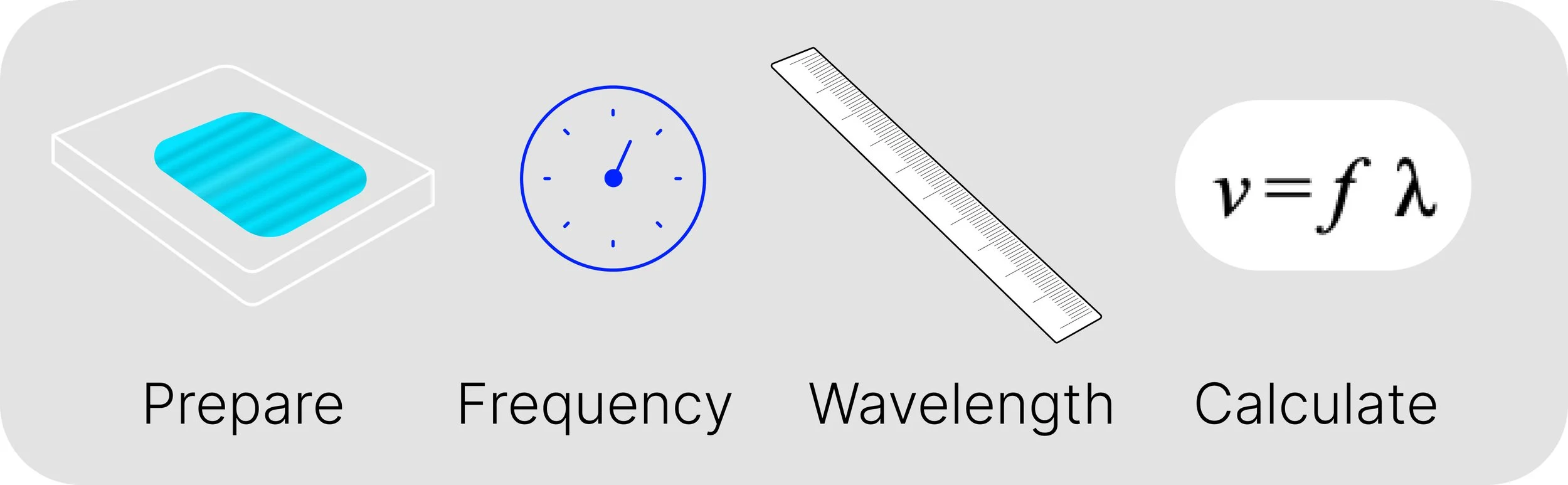
Prepare
-
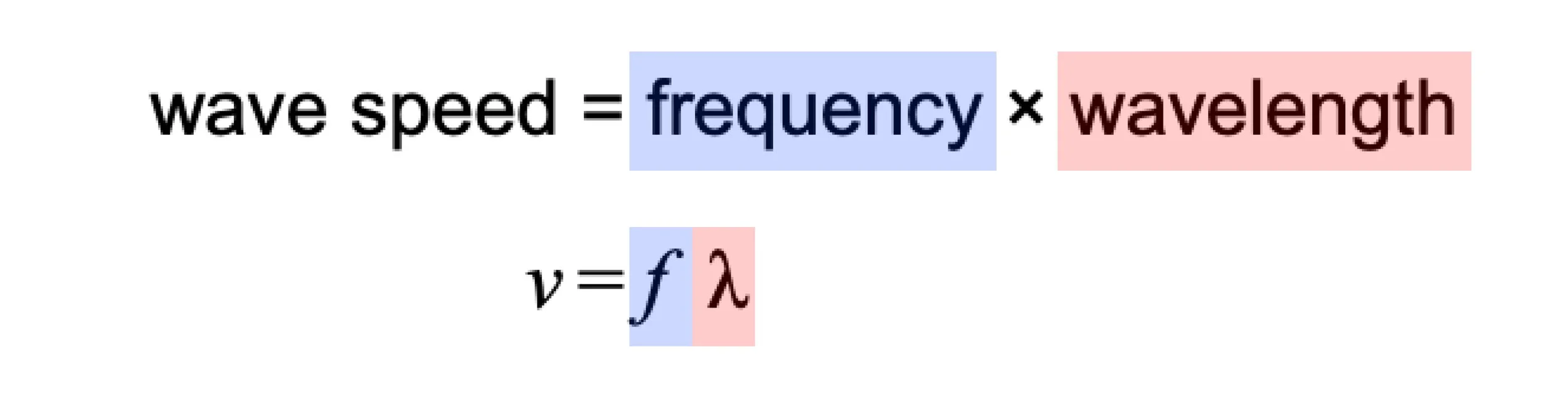
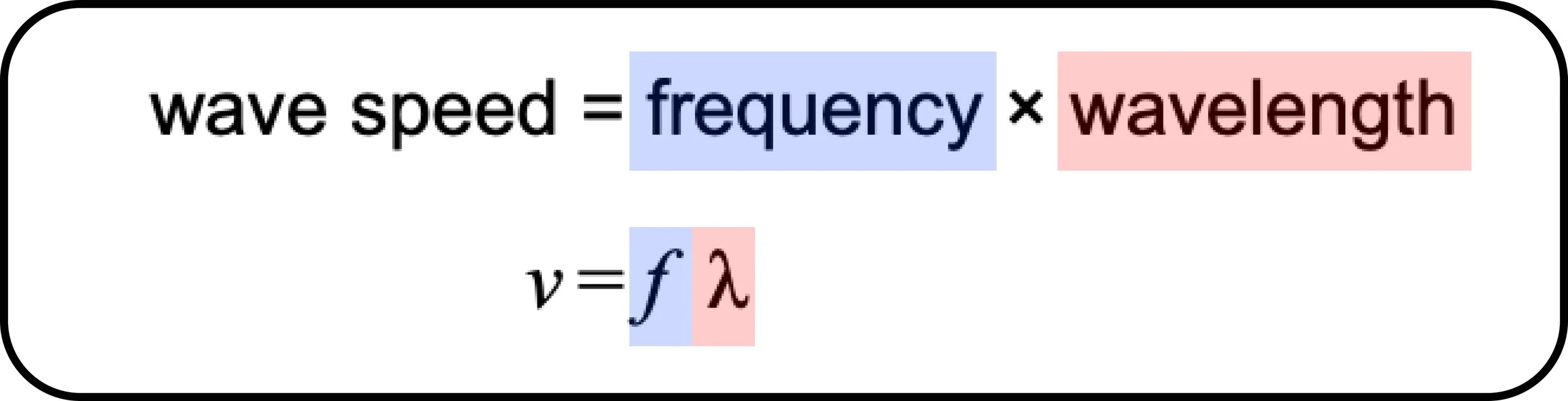
wave speed = frequency x wavelength
-
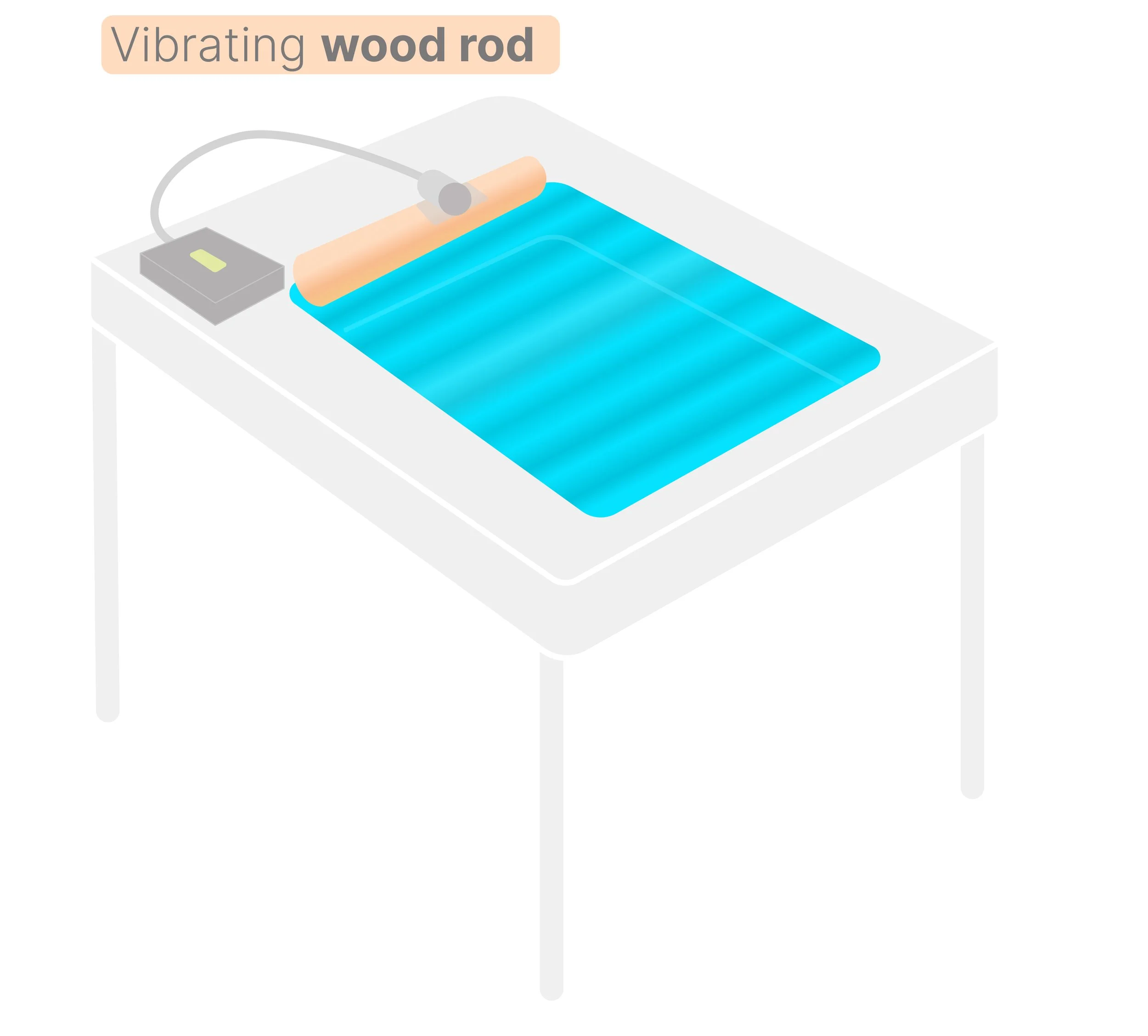
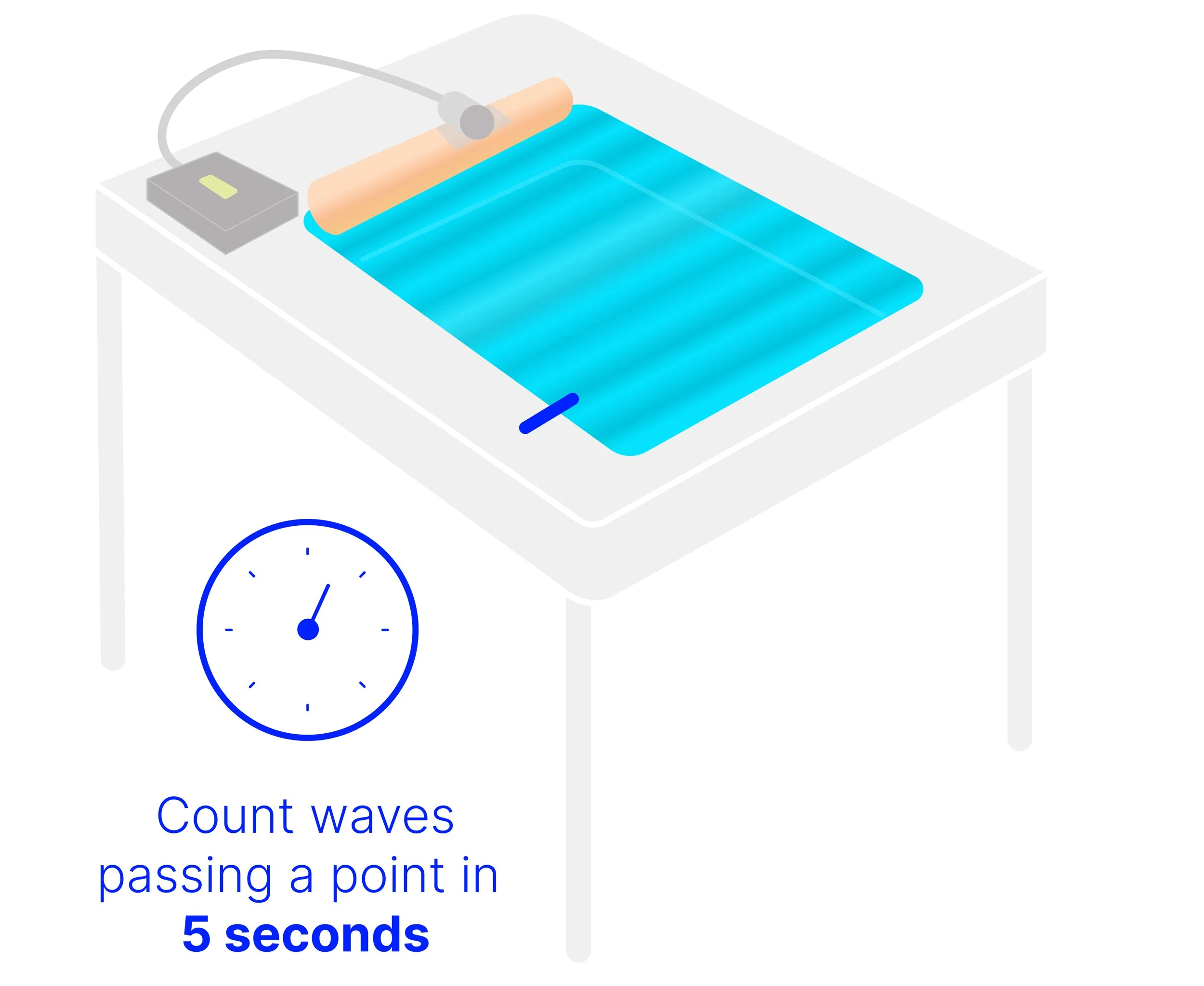
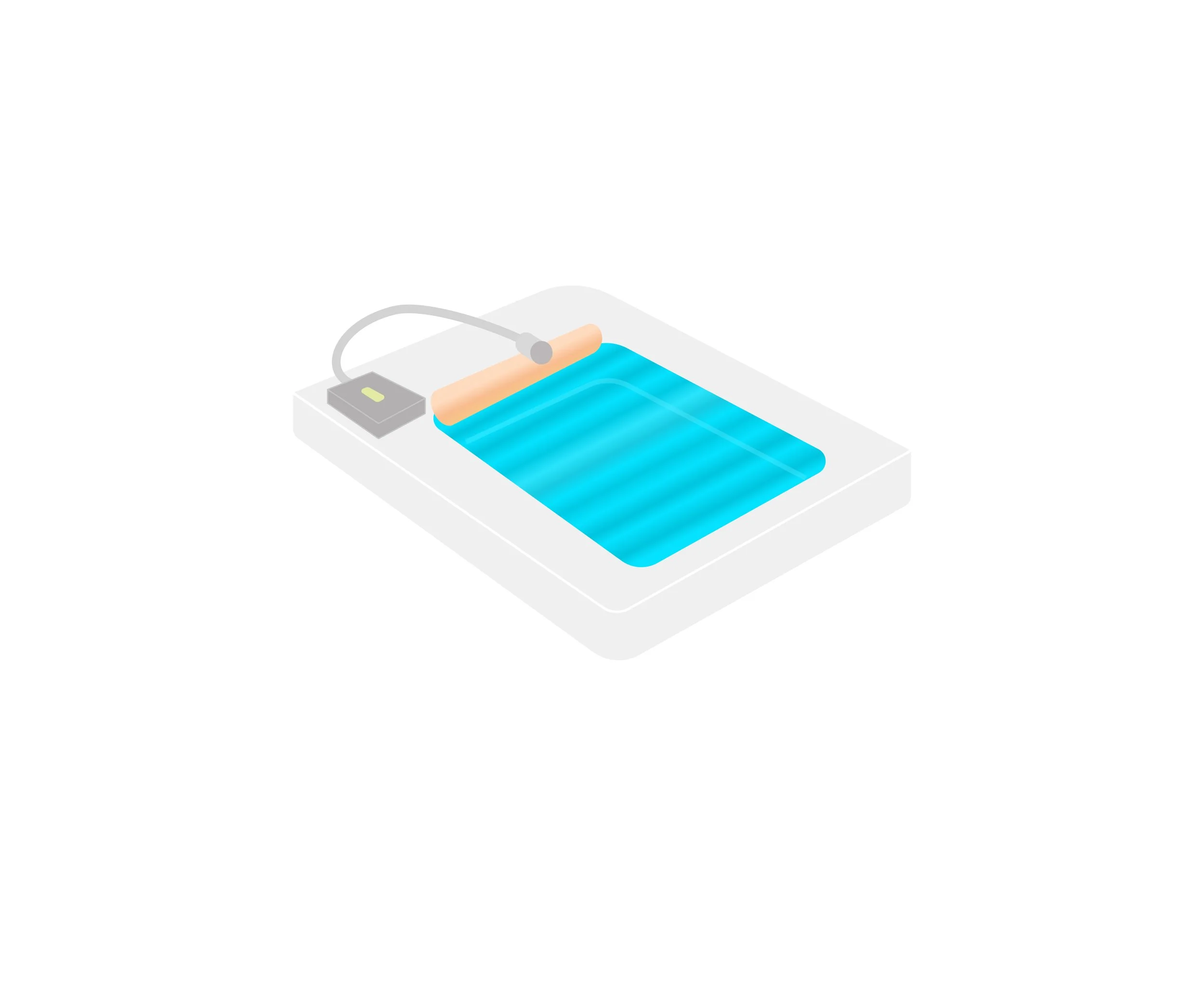
We use a vibrating wood rod on the surface of the water
The wood rod is powered with a motor, connected to a power supply
Find Frequency
-
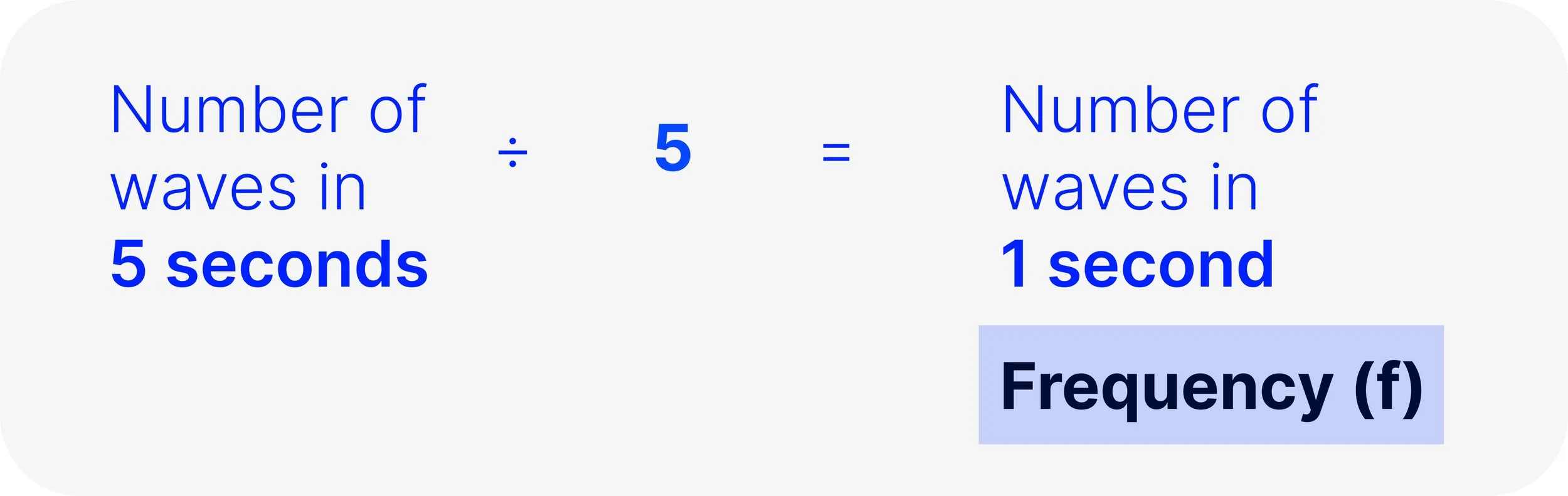
Pick a single point on the Ripple Tank, start a stopwatch and count how many complete waves pass it in 5 or 10 seconds. (If its too difficult, a signal generator can provide a known frequency instead)
Divide that value by the number of seconds to get a Frequency value in Hz.
Find Wavelength
-
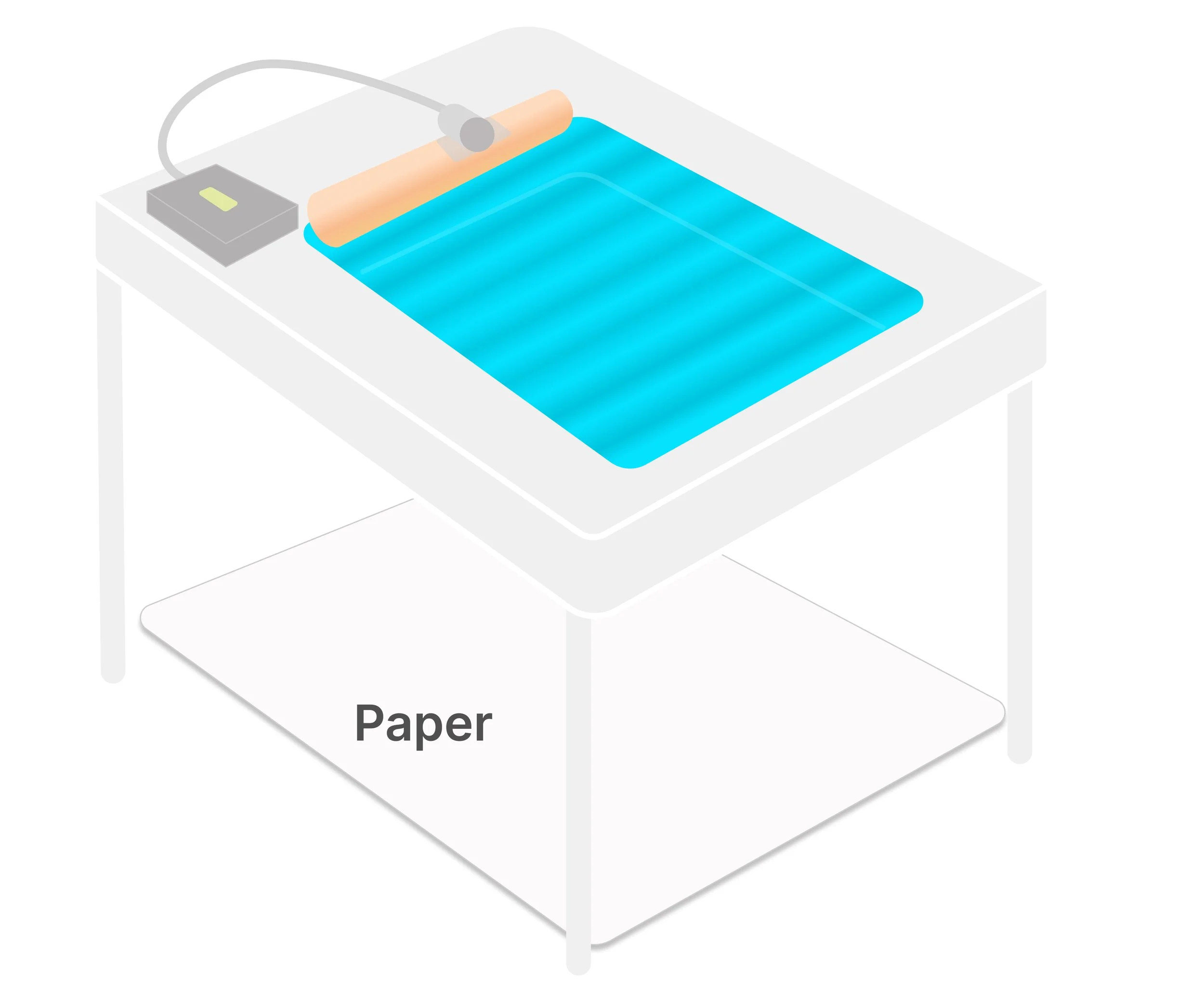
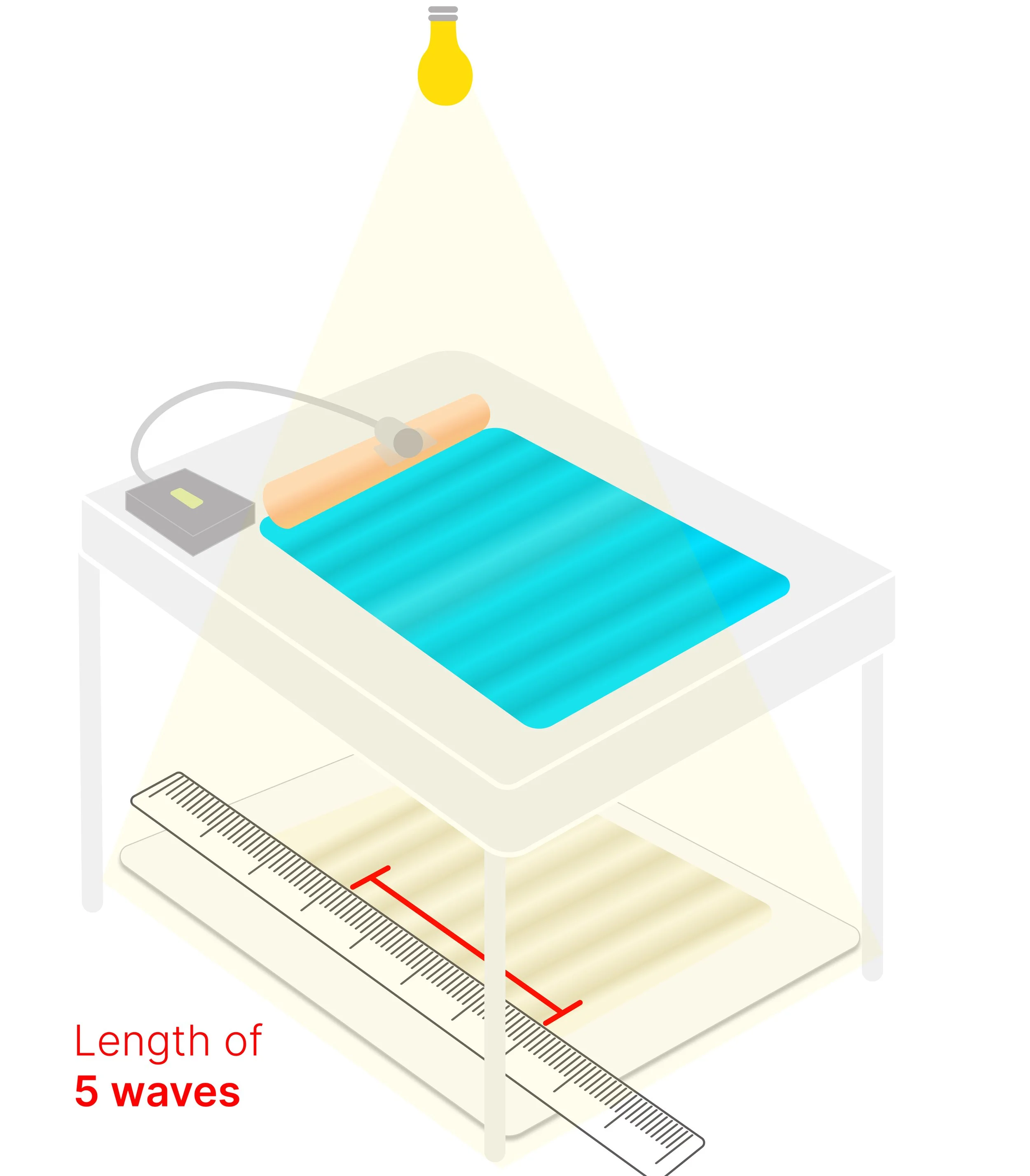
Place a paper under the Ripple Tank
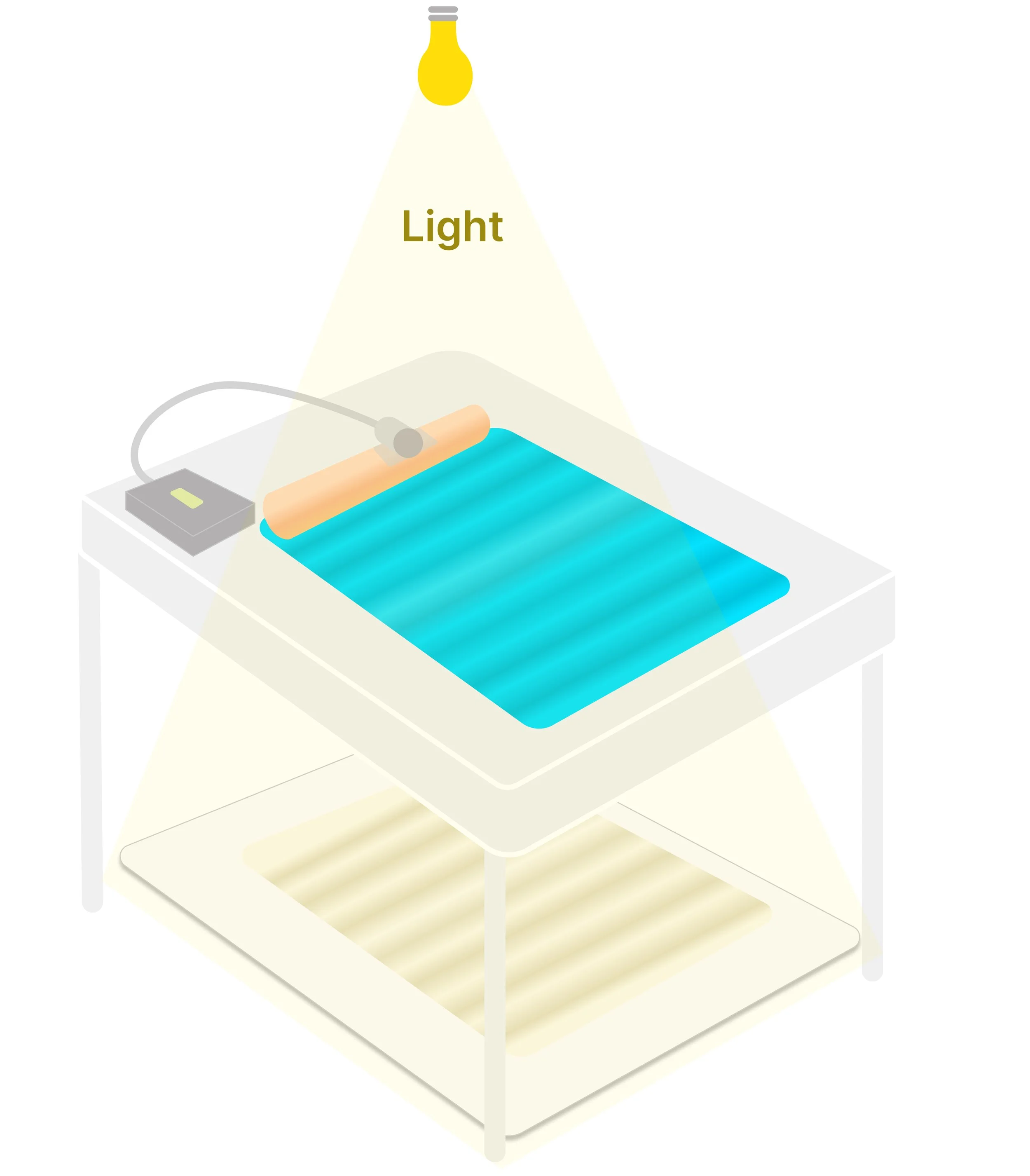
Shine a light above it, so the waves in the tank project onto the paper
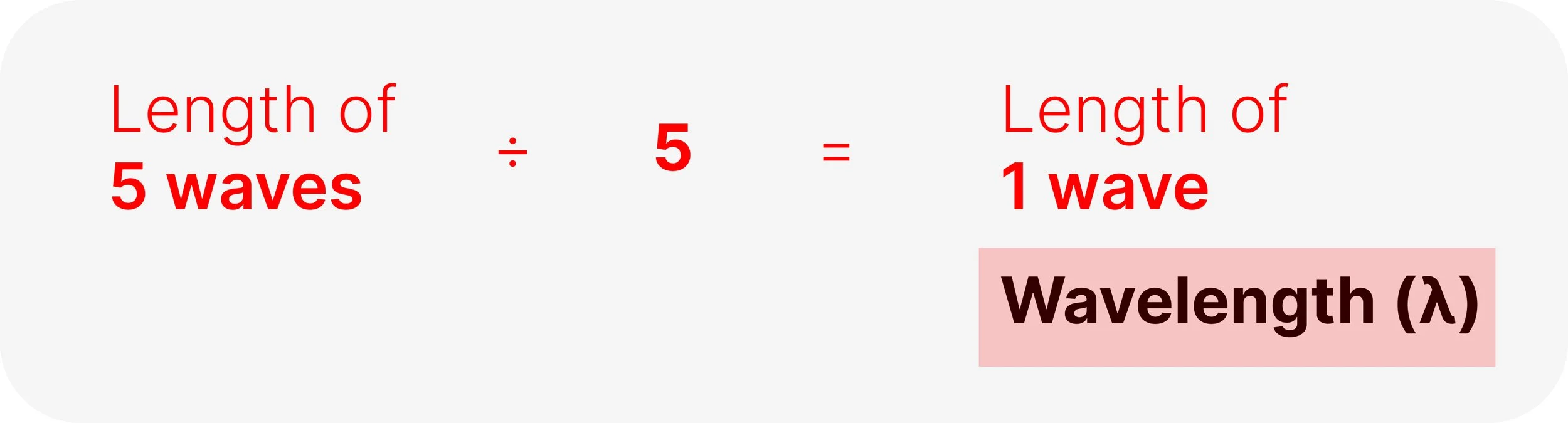
Using a ruler, measure the distance across five or ten complete wavelengths, from one wave crest to another corresponding crest.
Divide the total distance by the number of wavelengths to find the average wavelength in meters.
Calculate Speed
-
As is seen in the Physics Equation Sheet, Frequency x Wavelength = Speed
Simply multiply your Frequency value in Hz by your Wavelength value in m to get Speed in m/s
-
Repeat measurements and calculate a mean wavelength and mean frequency
Challenge
-
We should keep the depth of the water constant throughout the practical, as depth affects the wave speed.
Continue Revising Paper 2








Need help improving your GCSE Physics grade?
These visuals are created by our experienced GCSE tutors.
