
Concave Lenses

AQA-style Exam Question
Draw a ray diagram to show how a concave lens forms an image of an object. Include:
two light rays
the principal focus (F)
the principal axis
[3 marks]
-
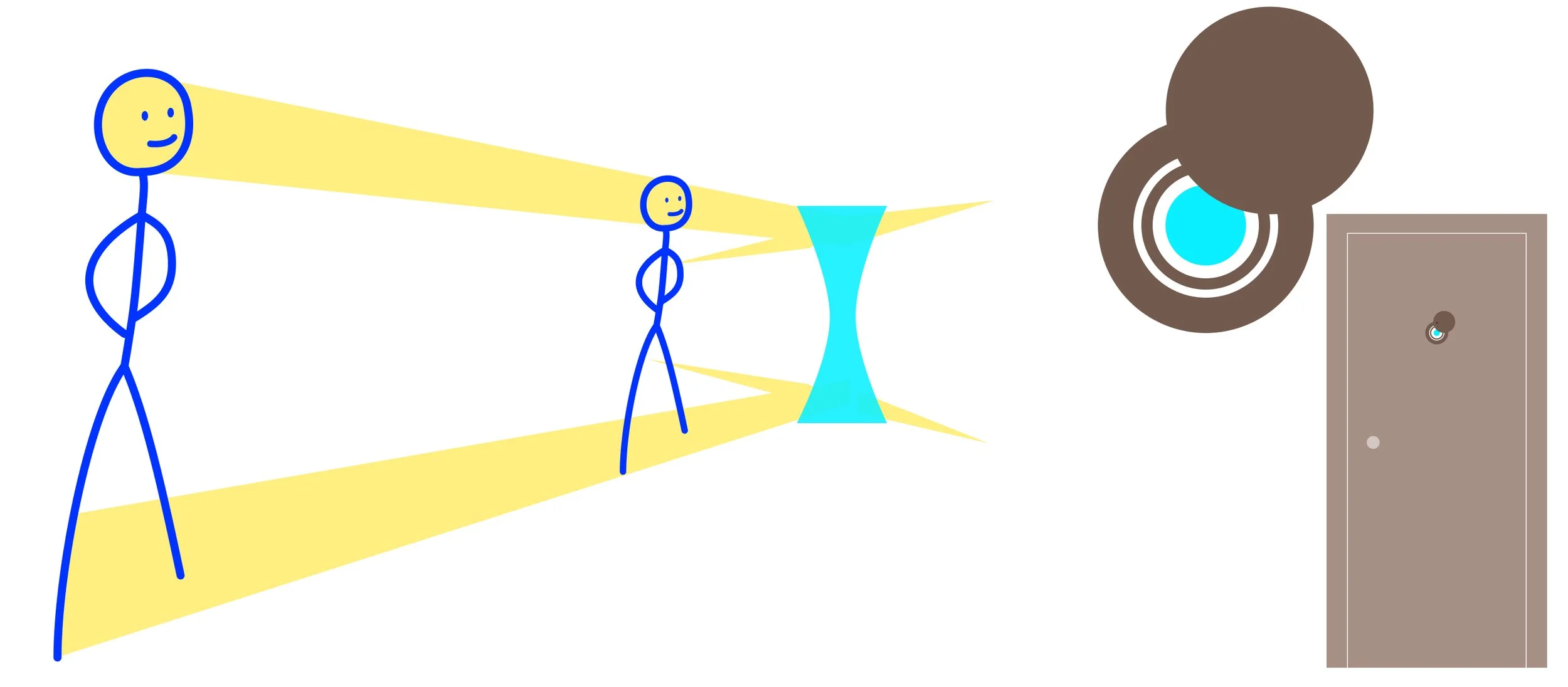
Light rays from a light source reflect from the person to the lens.
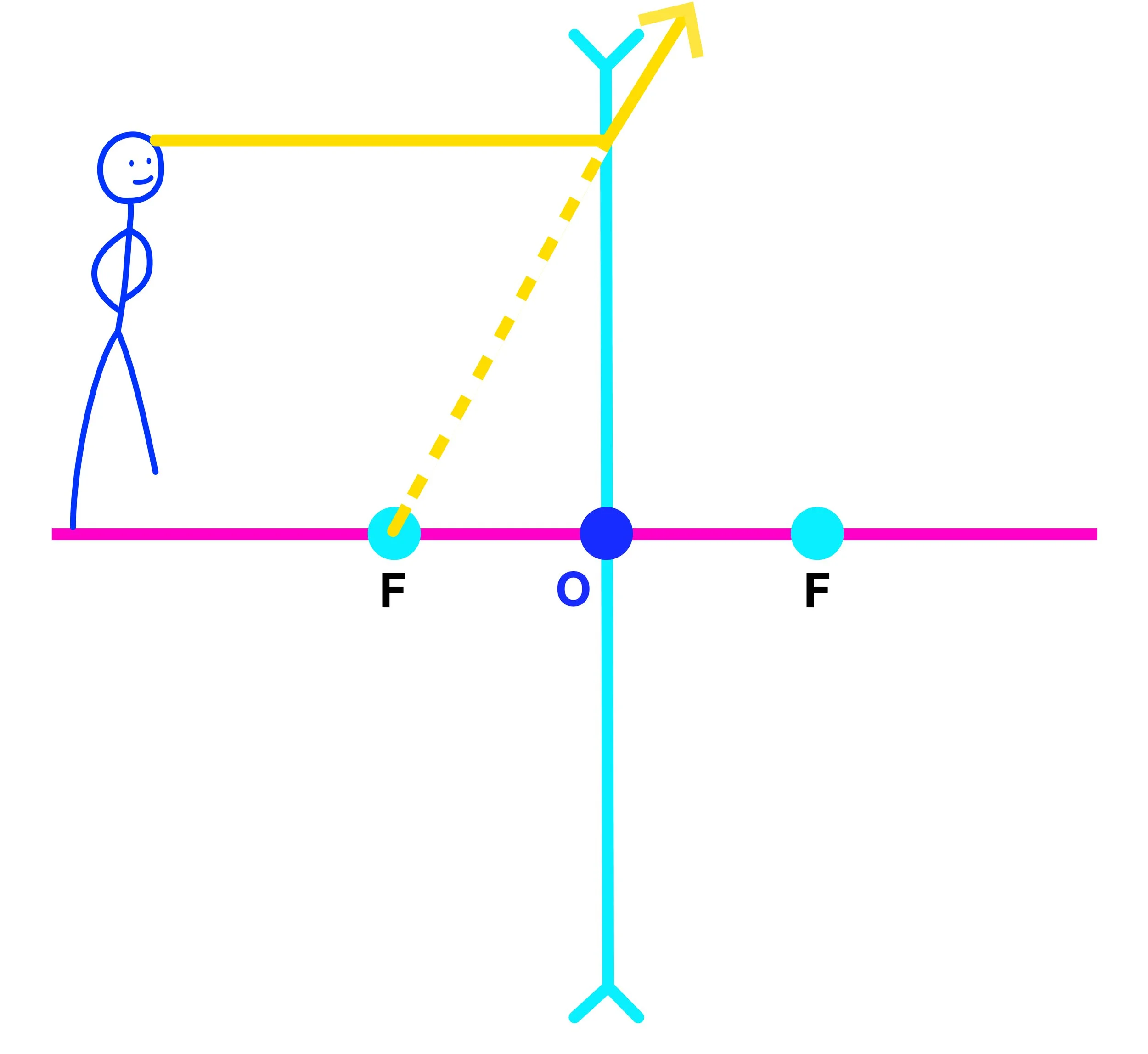
The concave lens refracts the light so it diverges (spreads out) on the other side.
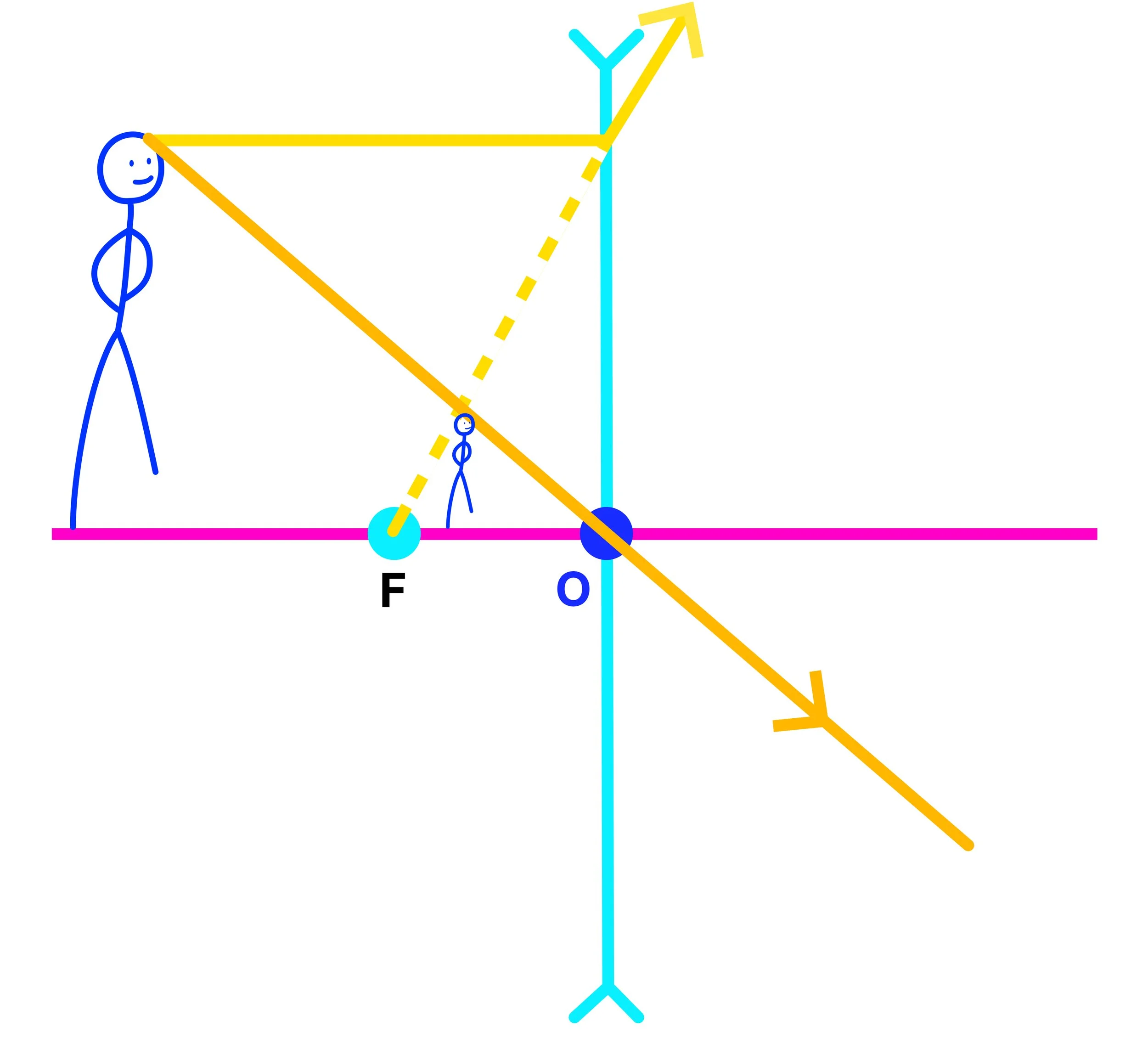
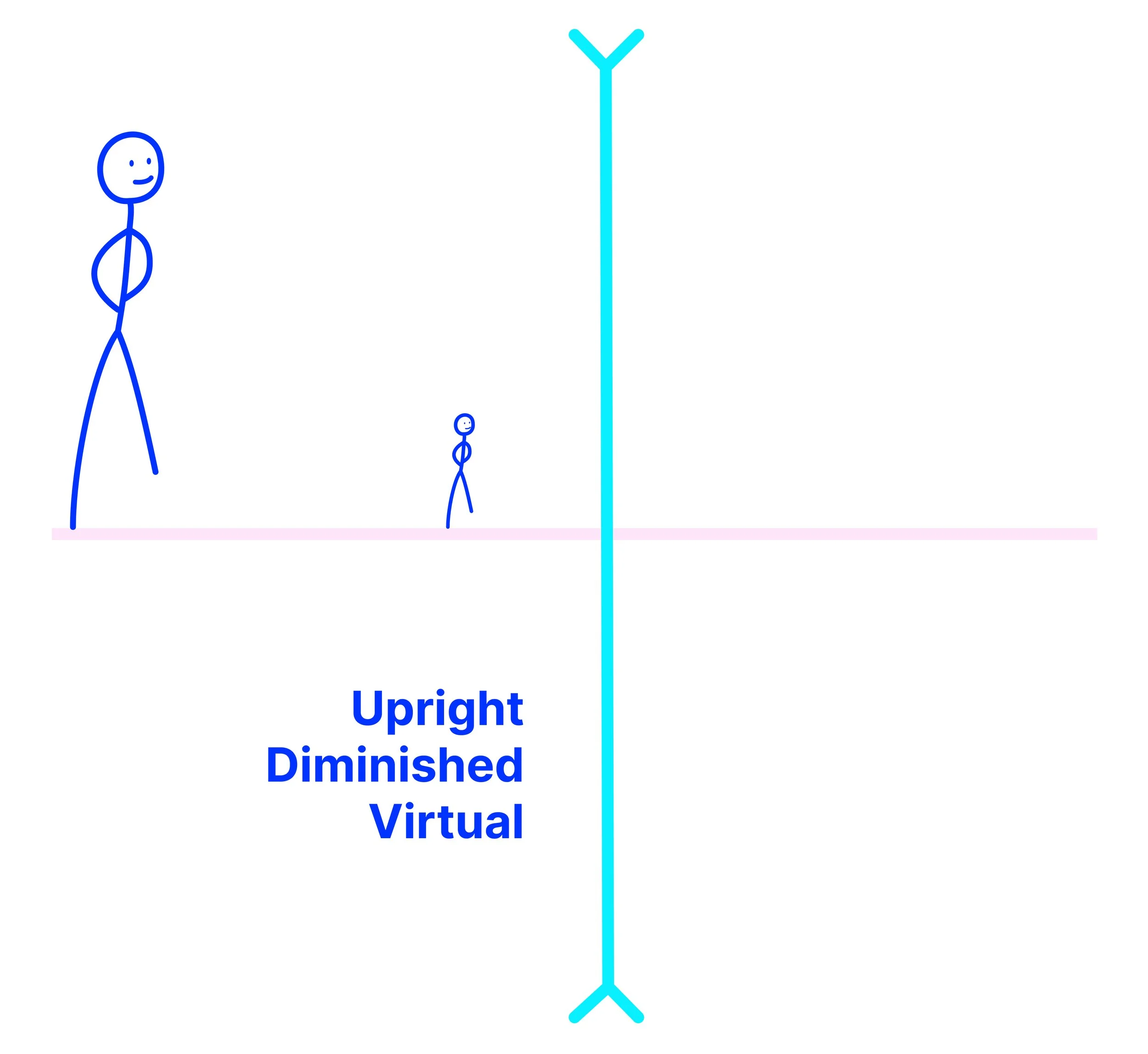
The diverging rays appear to come from a smaller, upright image on the object's side of the lens.
-
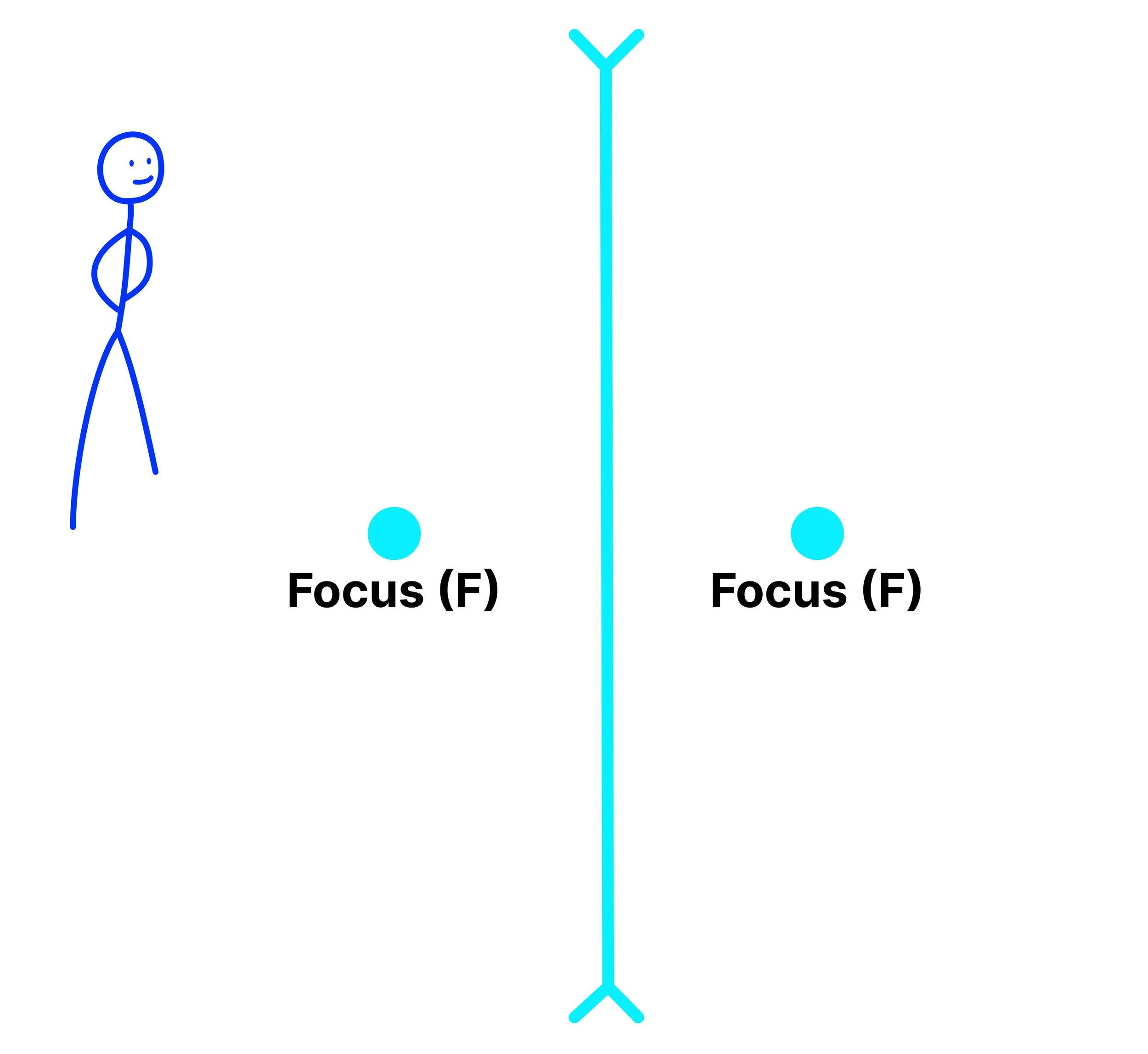
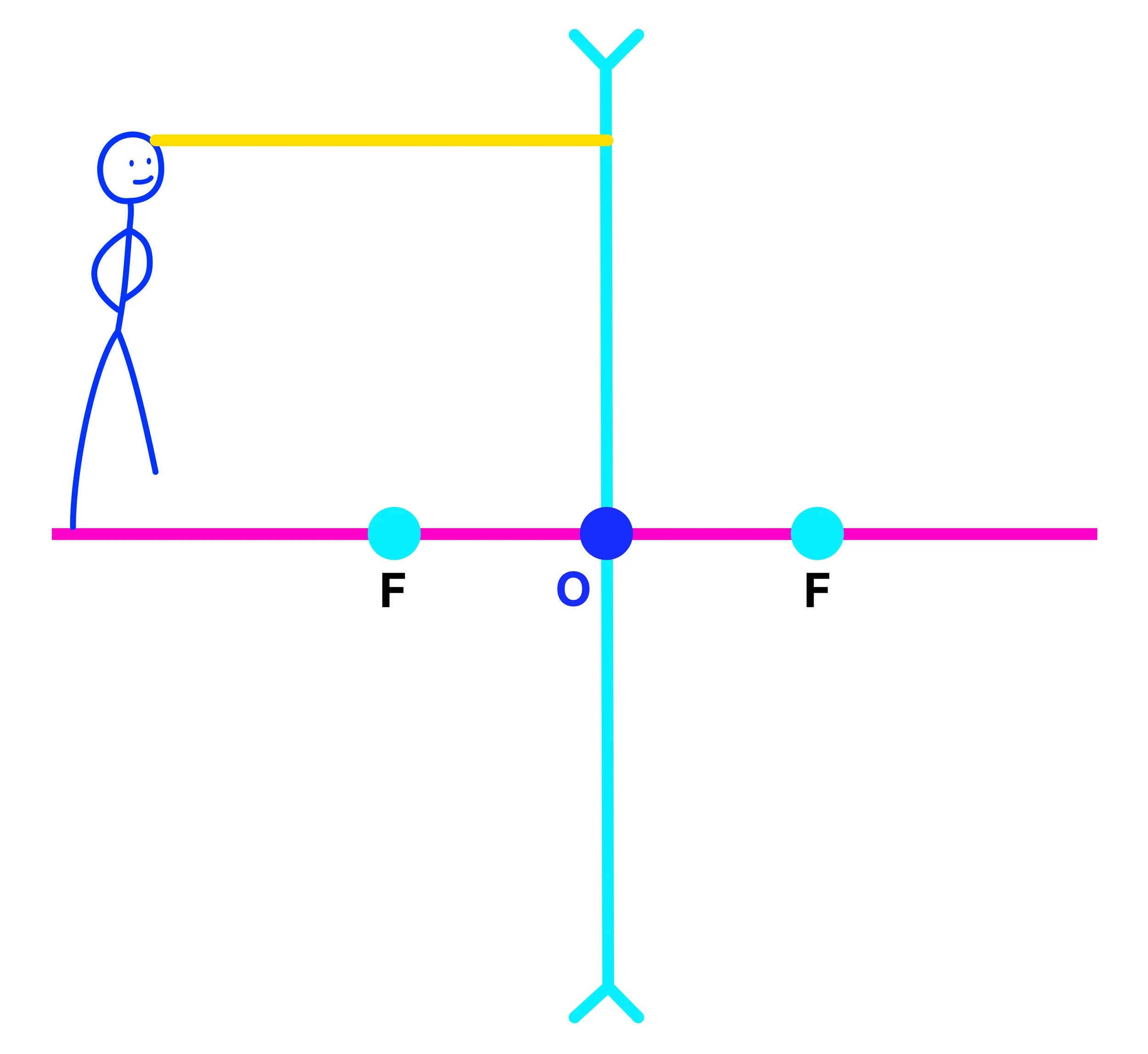
We assume the lens is:
Long vertical line with arrow heads pointing inwards
with set Principal Focus points (F) on either side
Note: the distance between the lens and the principal focus point is called focal length.
The location of the focus points are a feature of the lens (usually given to you in the exam.).
-
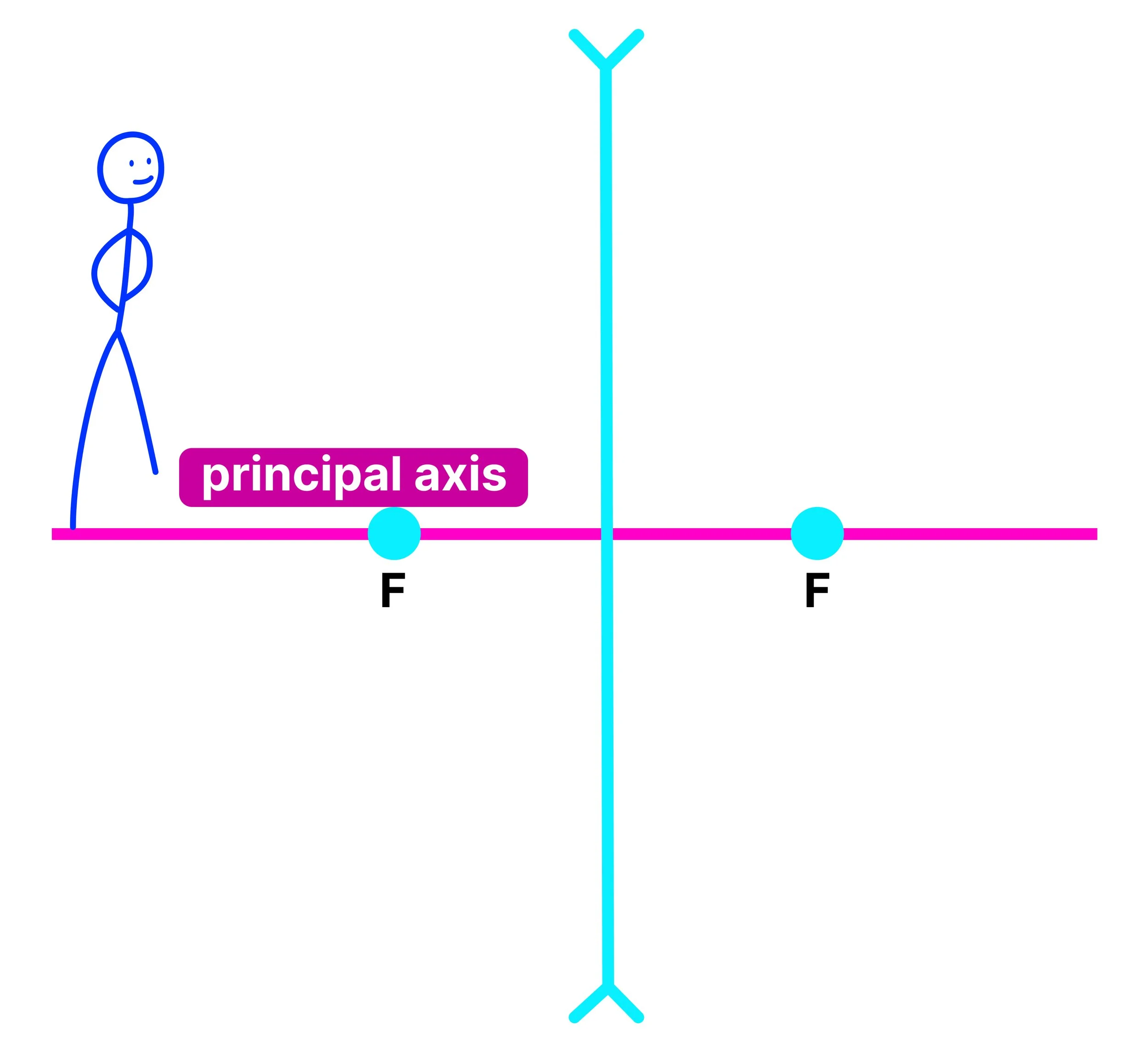
as sitting on a horizontal line called principal axis
-
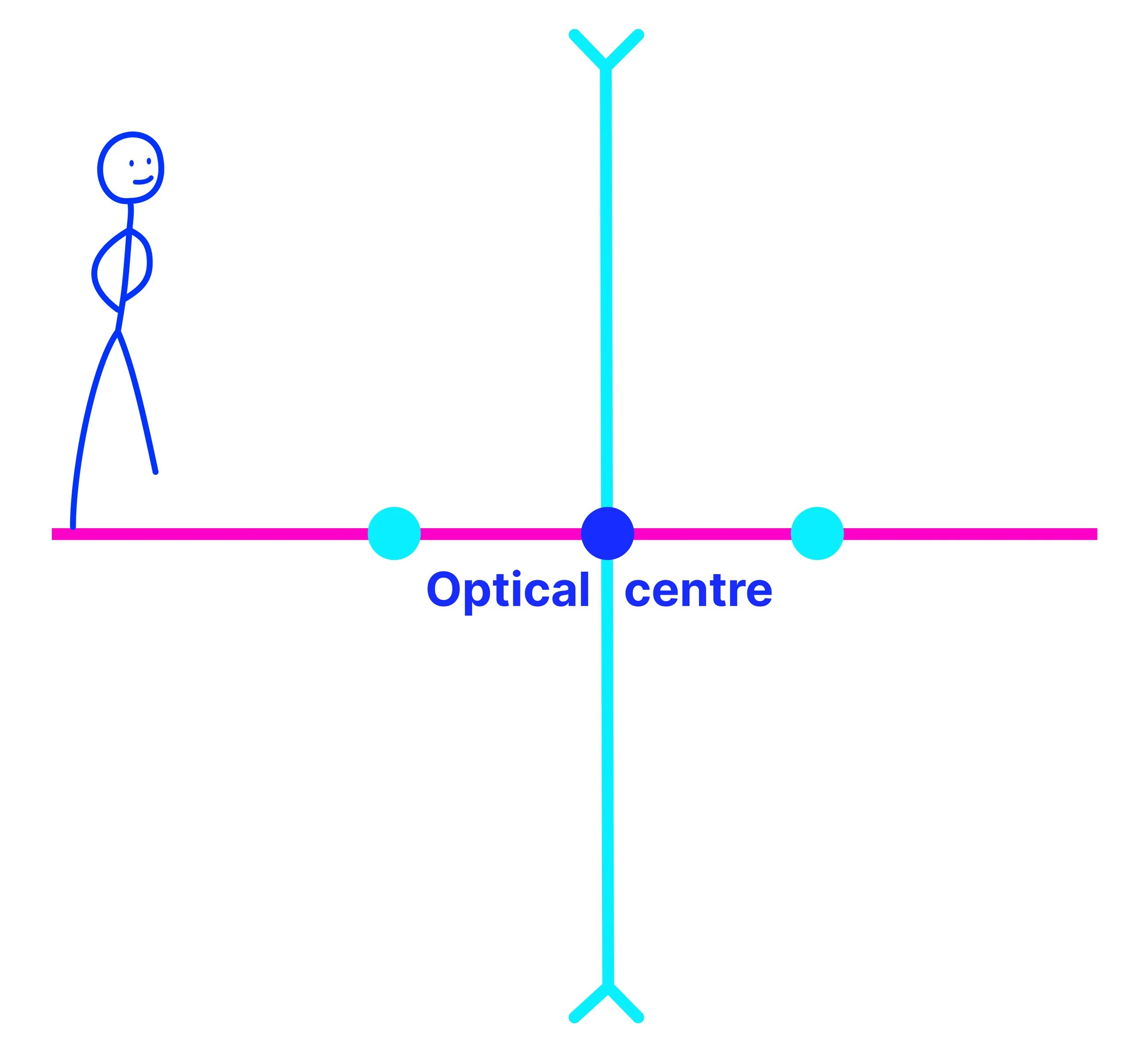
Optical centre: where the lens and the axis meet.
-
From the top of the object:
Draw a ray parallel to the principal axis until it reaches the lens.
Draw another ray from the left principle Focus to where the horizontal line met the lens and extend it beyond. The first part is dotted as it’s not a real ray.
-
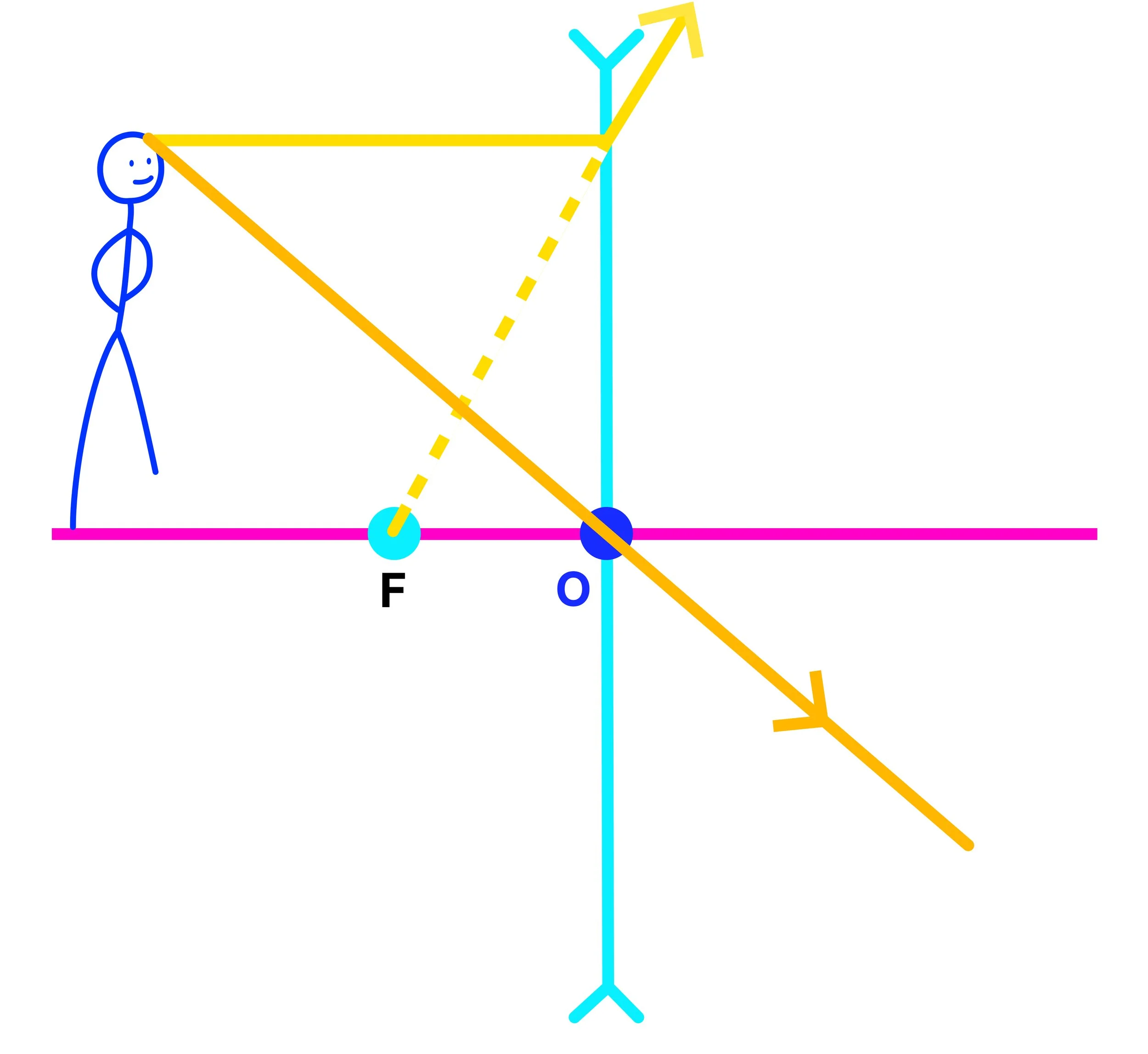
Again, from the top of the object:
Through the optical centre (O). It continues in a straight line.
Where this meets the backward dotted extension is where the top of the virtual image appears to form.
Challenge:
-
Diminished (smaller)
Upright (same way up)
Virtual (the rays didn’t actually meet here)
Continue Revising Paper 2

Need help improving your GCSE Physics grade?
These visuals are created by our experienced GCSE tutors.
