
Water Distillation: AQA Practical
AQA GCSE Chemistry simple distillation required practical: obtaining pure water from seawater. Combined & Triple Science.
Describe a method to obtain pure water from seawater using simple distillation.
[6 marks]
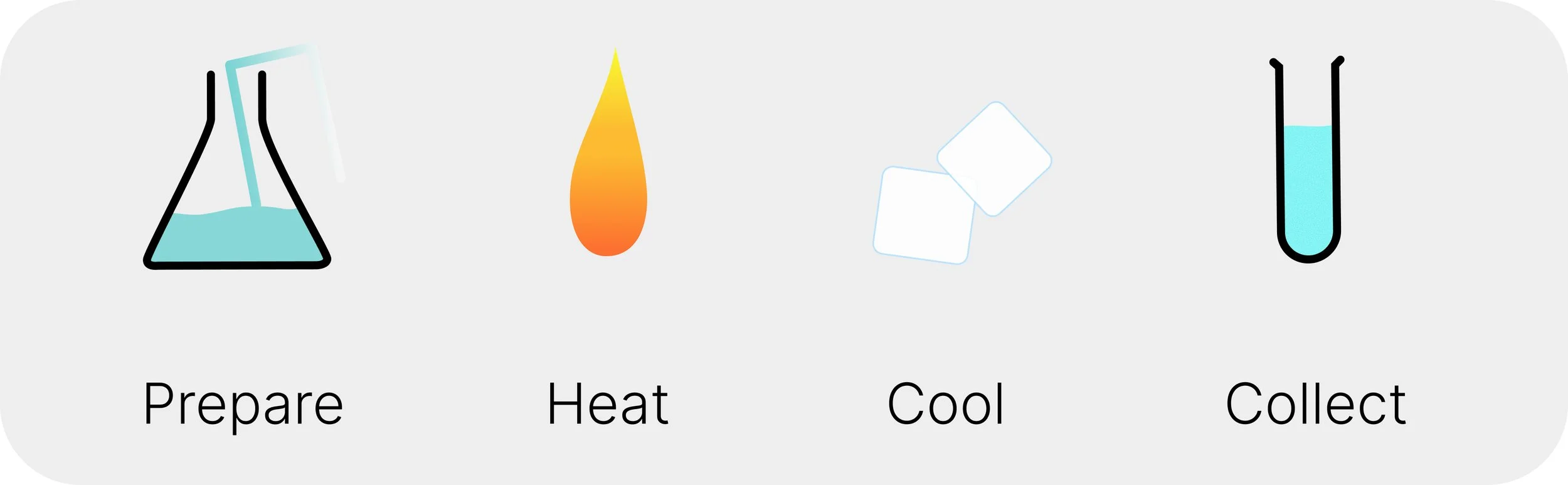
1. Prepare
-
Pour sea water into a conical flask.
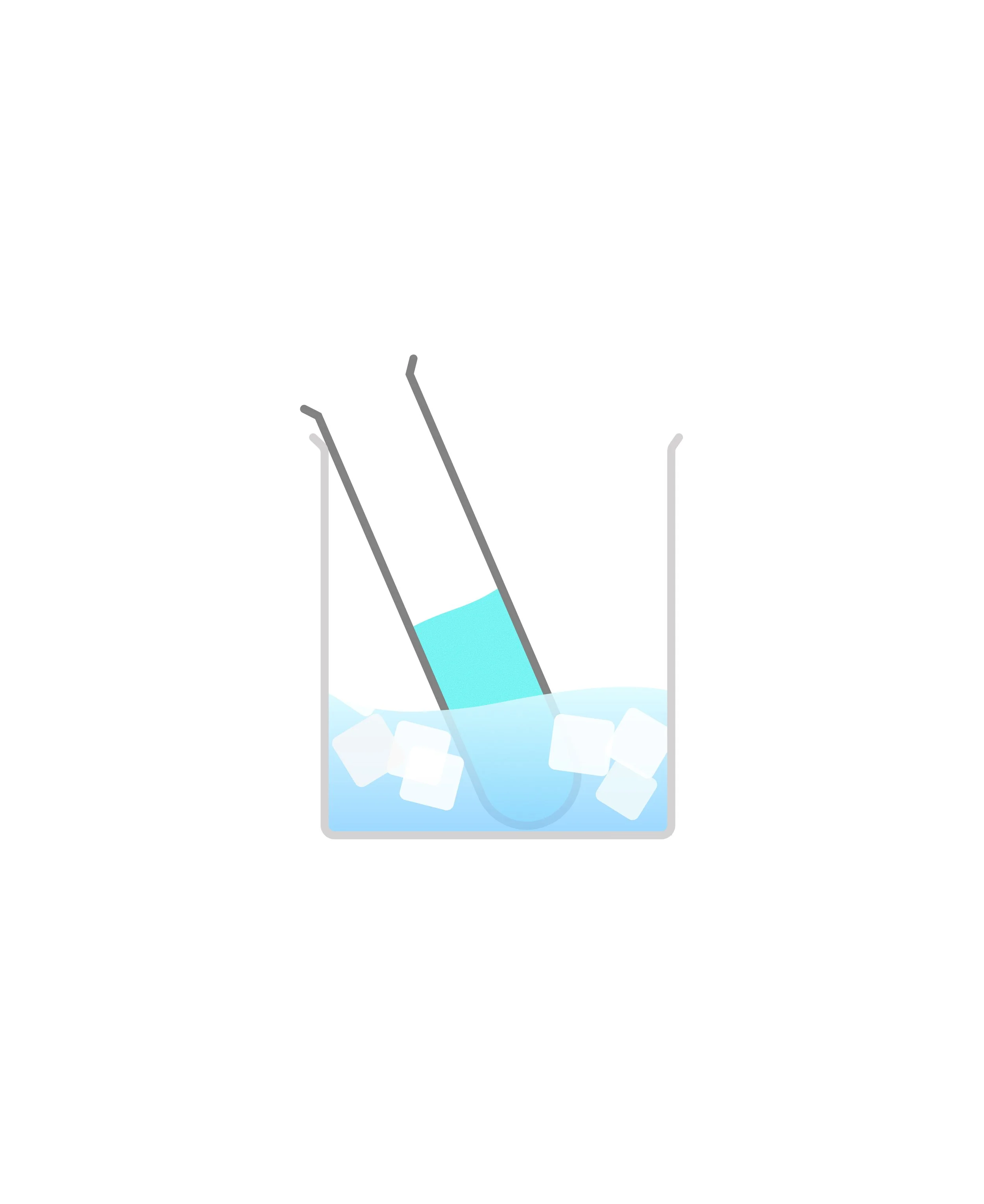
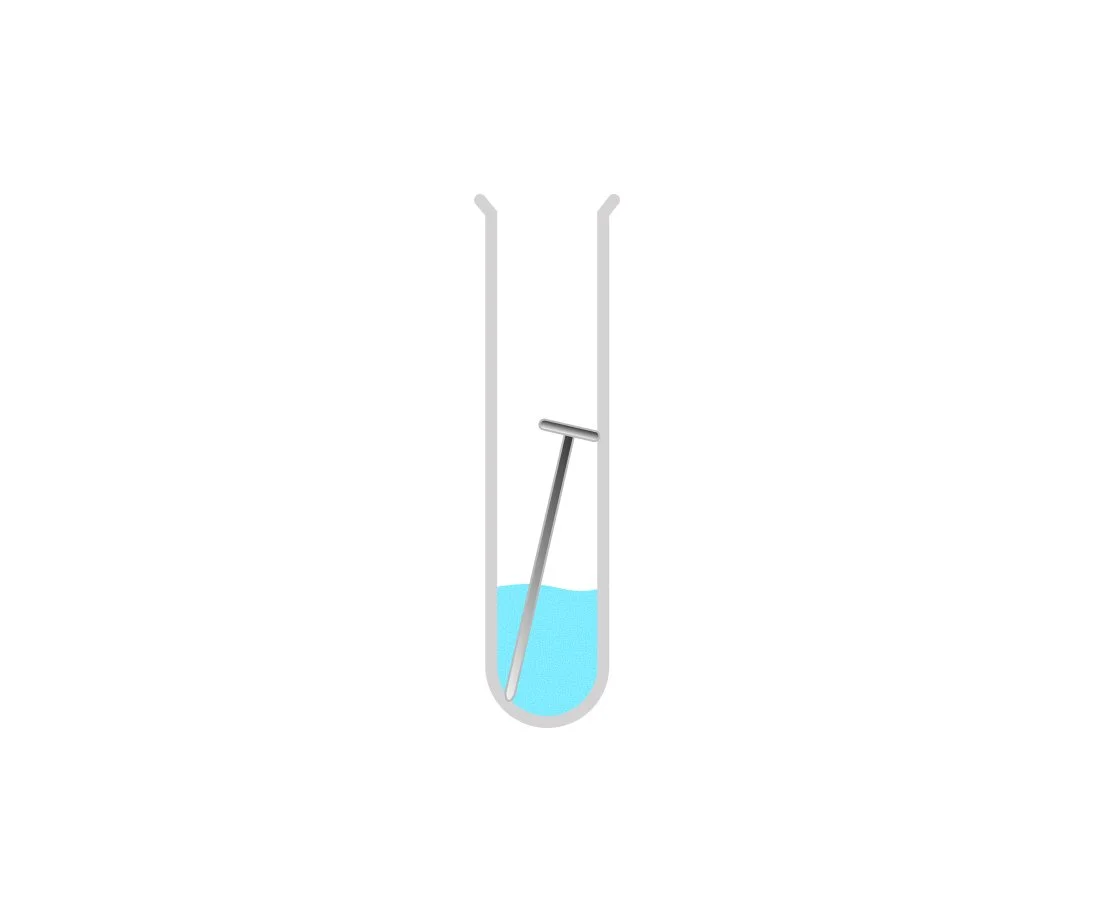
Seal the flask with a bung and delivery tube leading into a receiving test tube placed in an ice bath.
Place the flask on wire gauze supported by a tripod, with a Bunsen burner underneath.
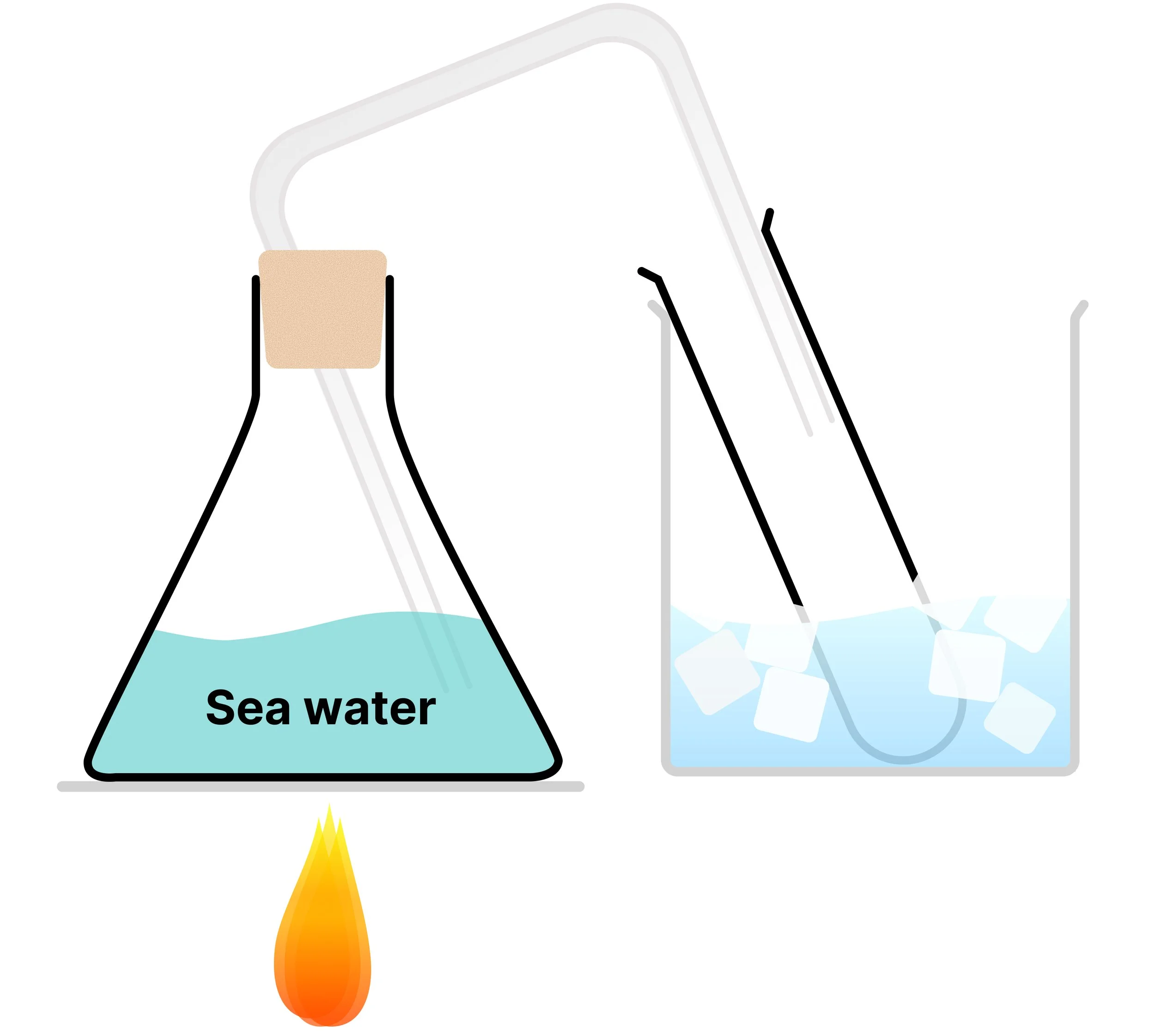
2. Heat & Cool
-
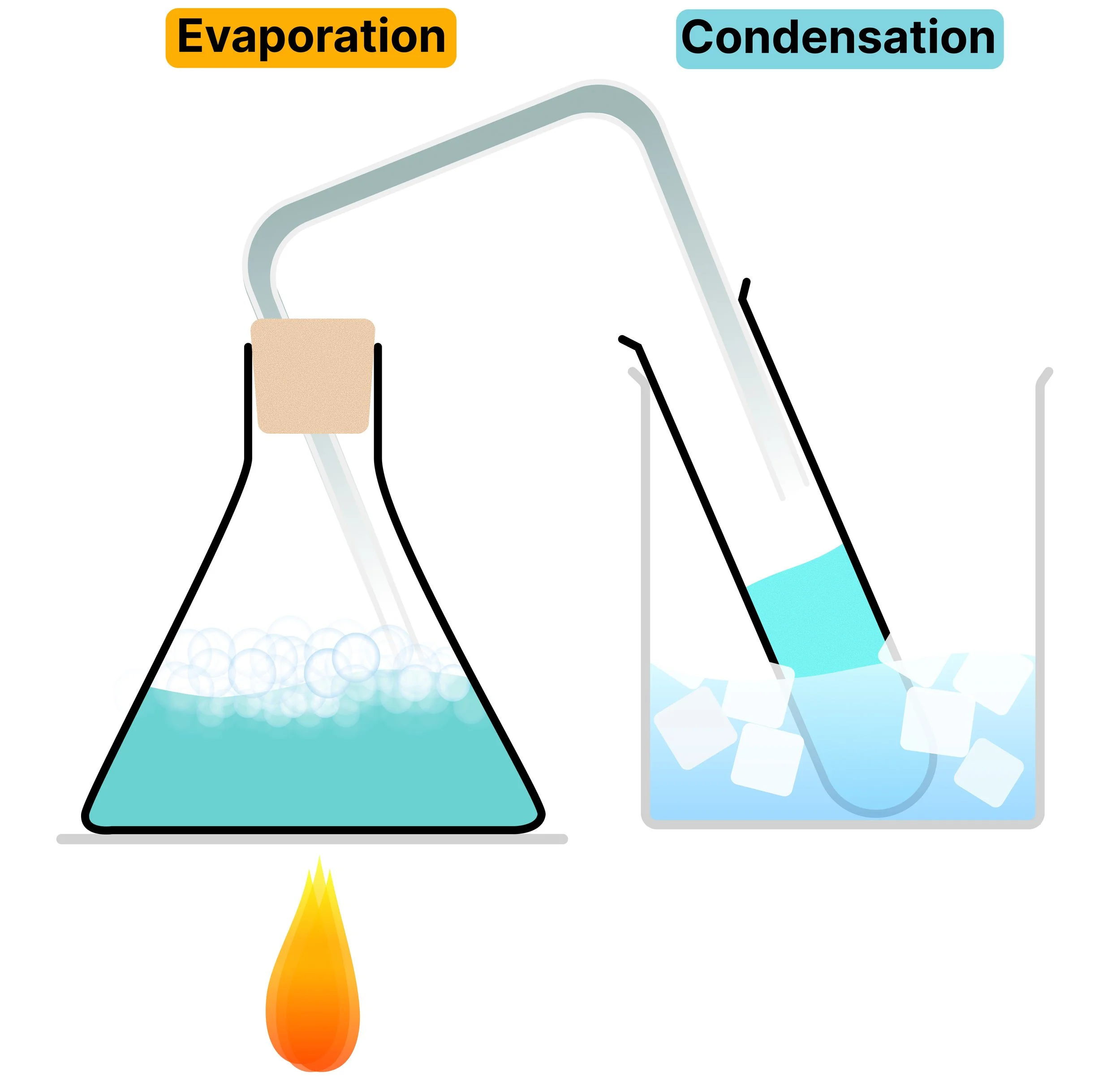
Gently heat the sea water until it boils.
The water evaporates, leaving dissolved salts behind.
Water vapour travels through the delivery tube and condenses into liquid water as it cools in the receiving test tube surrounded by ice.
3. Collect
-
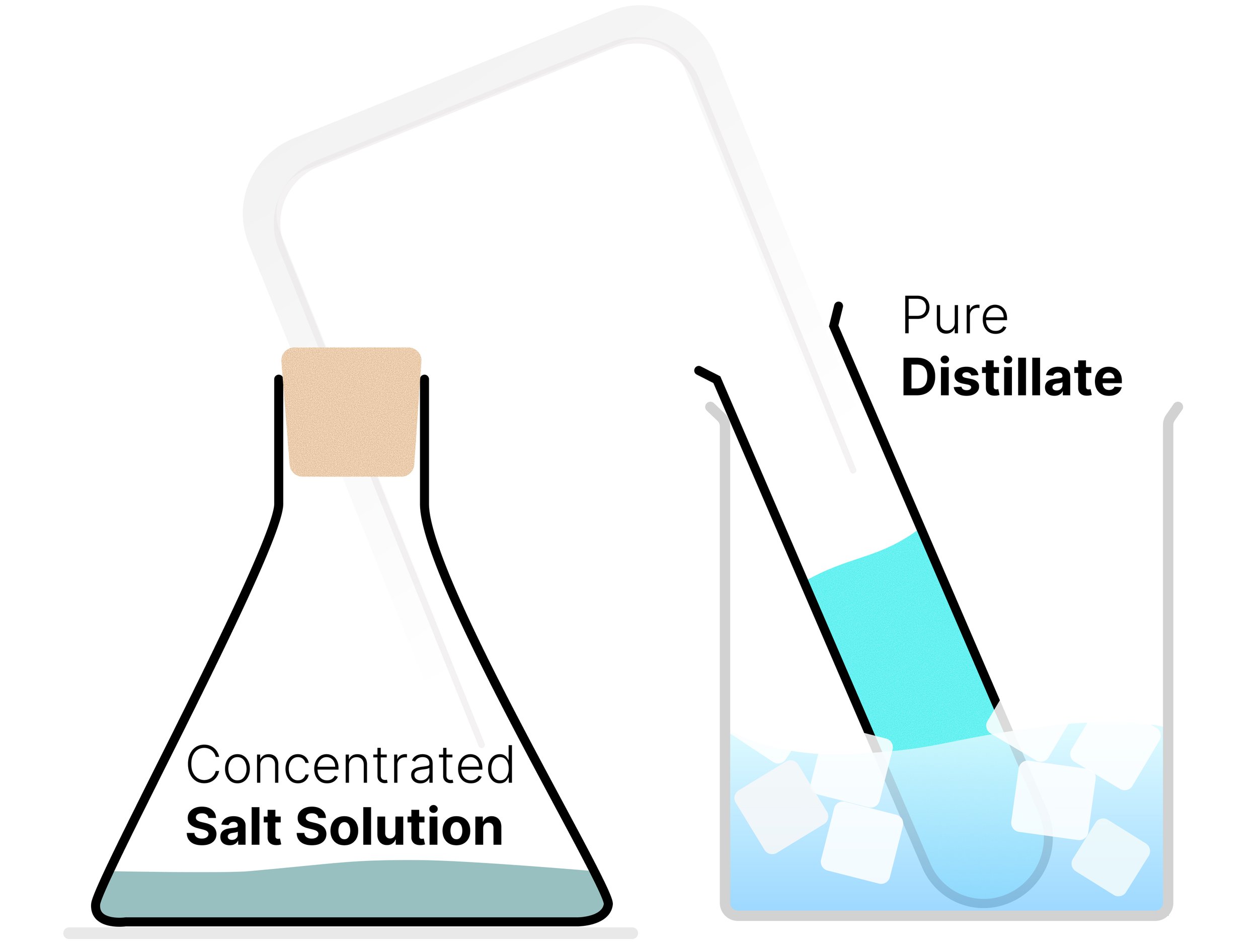
Collect the distilled water (pure water) in the receiving test tube.
The dissolved salts remain in the conical flask as a concentrated salt solution.
Stop heating before the flask boils dry.
Continue Revising Paper 2















Need help improving your GCSE Chemistry grade?
These visuals are created by our experienced GCSE tutors. Want personalised support?

Chemical Tests for Negative ions.