
Density of Regular Solids - AQA Practical
AQA GCSE Physics Density required practical: deducing density of a regular solid, a cube, through converting units. Combined & Triple Science.
A student estimates that a cube has side lengths 3 cm and a mass of 250 g.
Plan a valid method to verify these measurements and determine its density in kg/m³.
[6 marks]
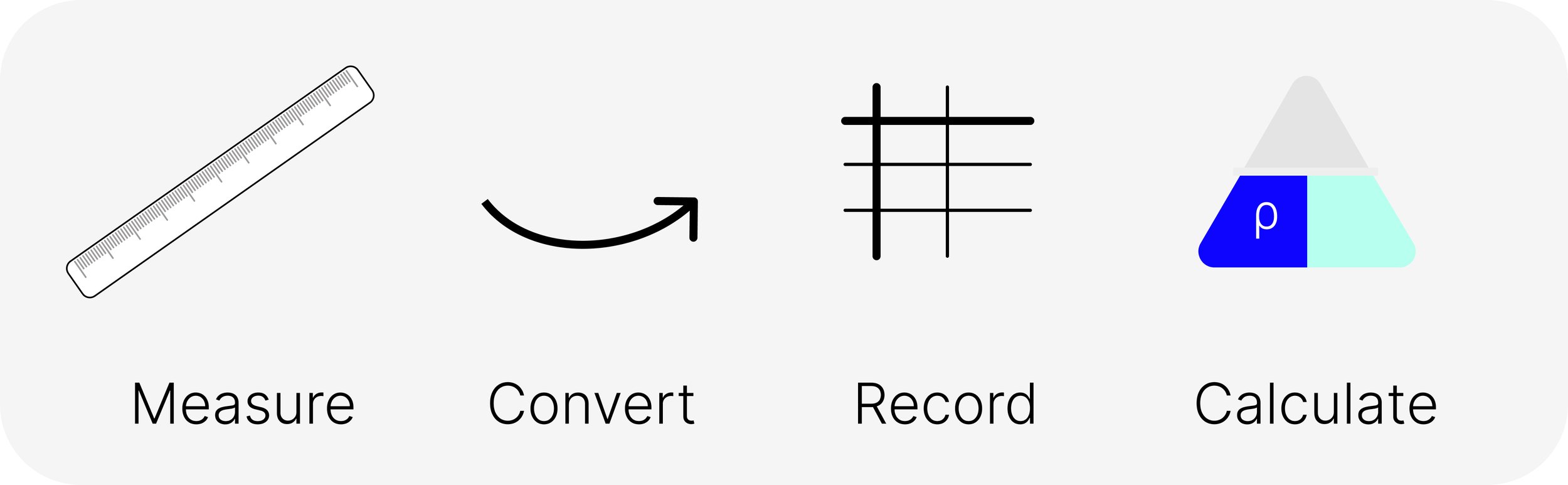
1. Measure & Convert
-
Place the cube on a balance and record its mass in grams (250 g).

-
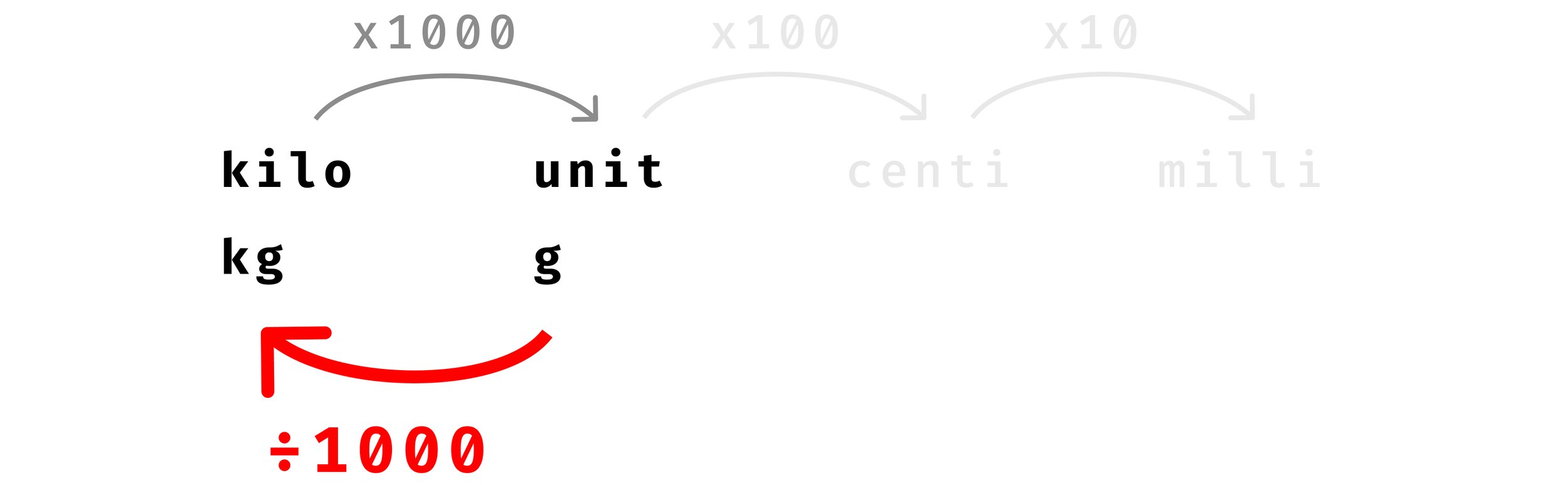
Divide the mass in grams by 1000.
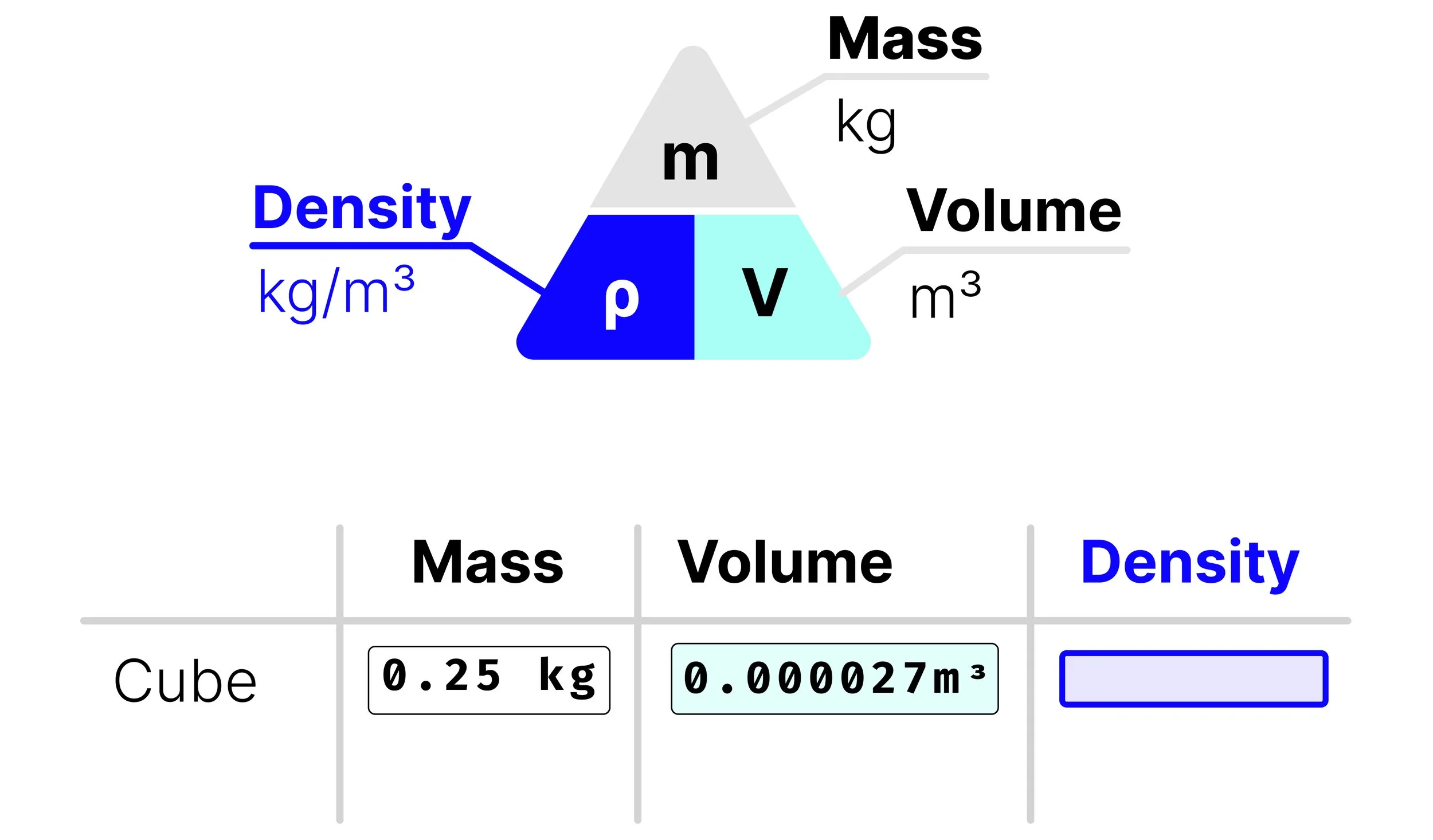
250 ÷ 1000 = 0.25 kg
-
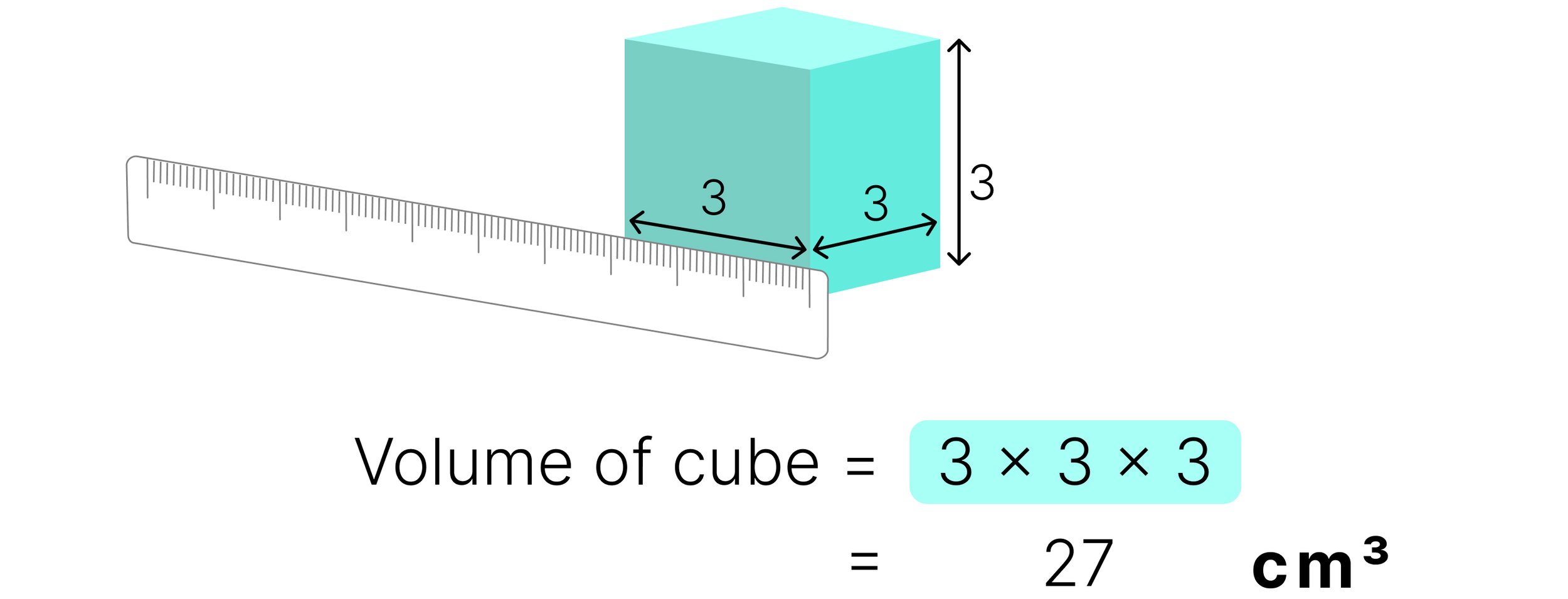
Measure the length, width and height of the cube using a ruler.
Calculate volume = length × width × height.
3 × 3 × 3 = 27 cm³
-
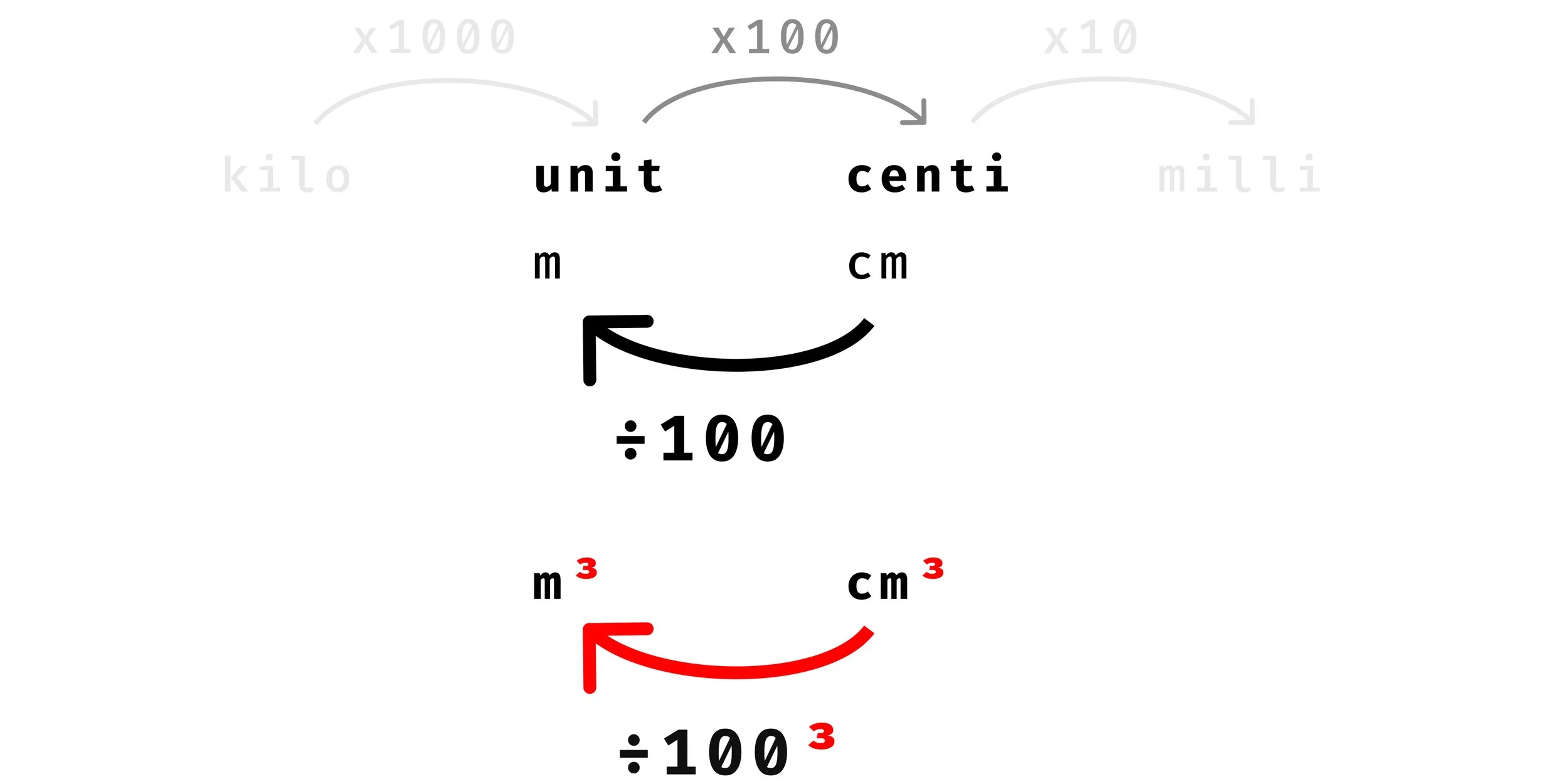
Divide the volume in cm³ by 100³ (1,000,000), since the conversion factor applies to all three dimensions.
27 ÷ 1,000,000 = 0.000027 m³
Record Readings

Calculate
-
Divide the mass in kilograms by the volume in cubic metres.
Density = mass ÷ volume
0.25 ÷ 0.000027 = 9260 kg/m³ (3 s.f.)
Challenge:
-
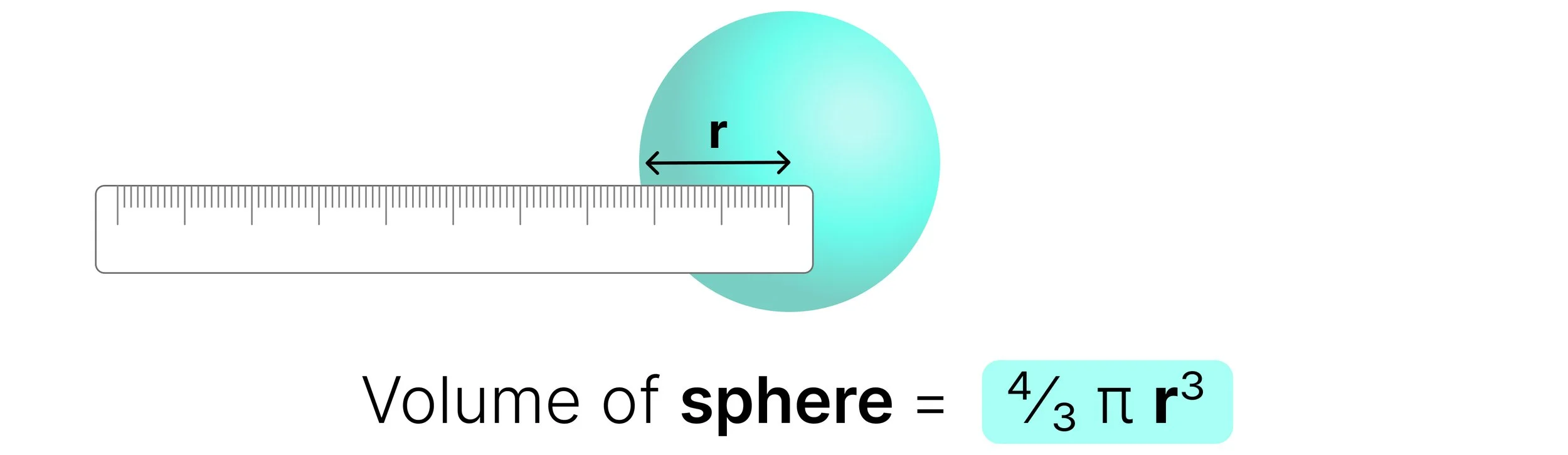
Measure the mass of the sphere using a balance.
Measure its diameter using a ruler and divide by 2 to obtain the radius.
Calculate the volume using V = ⁴⁄₃πr³.
Calculate density = mass ÷ volume.
Convert the measurements to kg and m³ to obtain density in kg/m³.

Continue Revising Paper 1


Need help improving your GCSE Physics grade?
These visuals are created by our experienced GCSE tutors.
