
Density of Irregular Solids - AQA Practical
AQA GCSE Physics Density required practical: determining density of an irregular solid using eureka can. Combined & Triple Science.
A student wants to determine the density of the irregularly shaped stone, shown in Figure 1.

Plan a valid method to determine its density in kg/m³.
[6 marks]
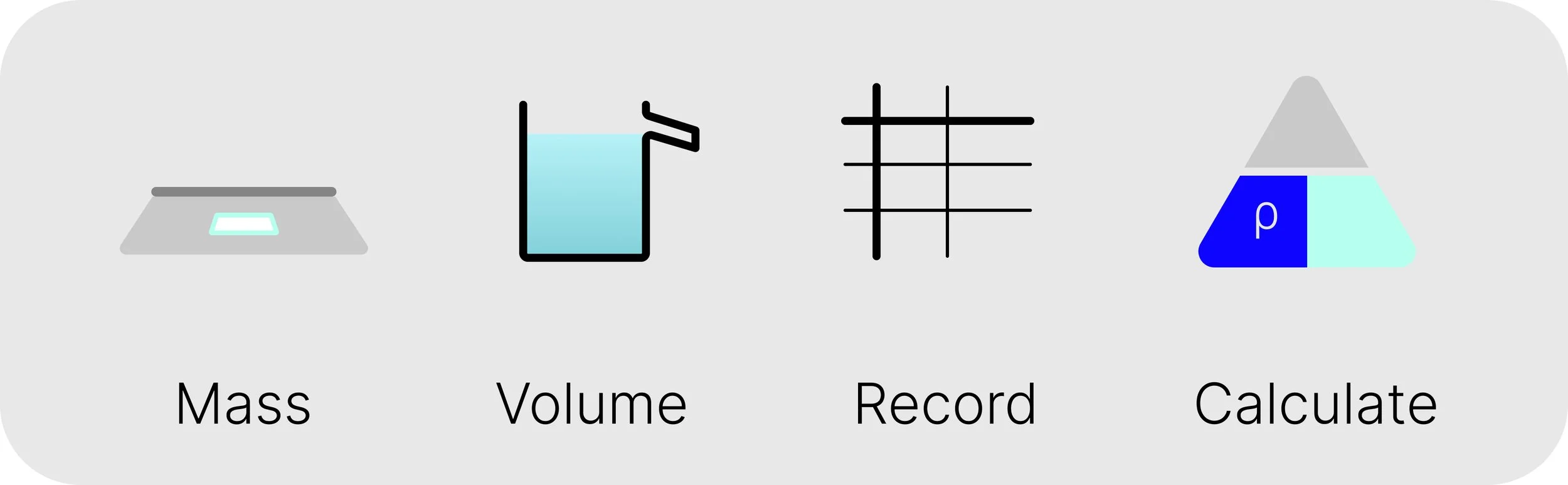
1. Measure Mass
-
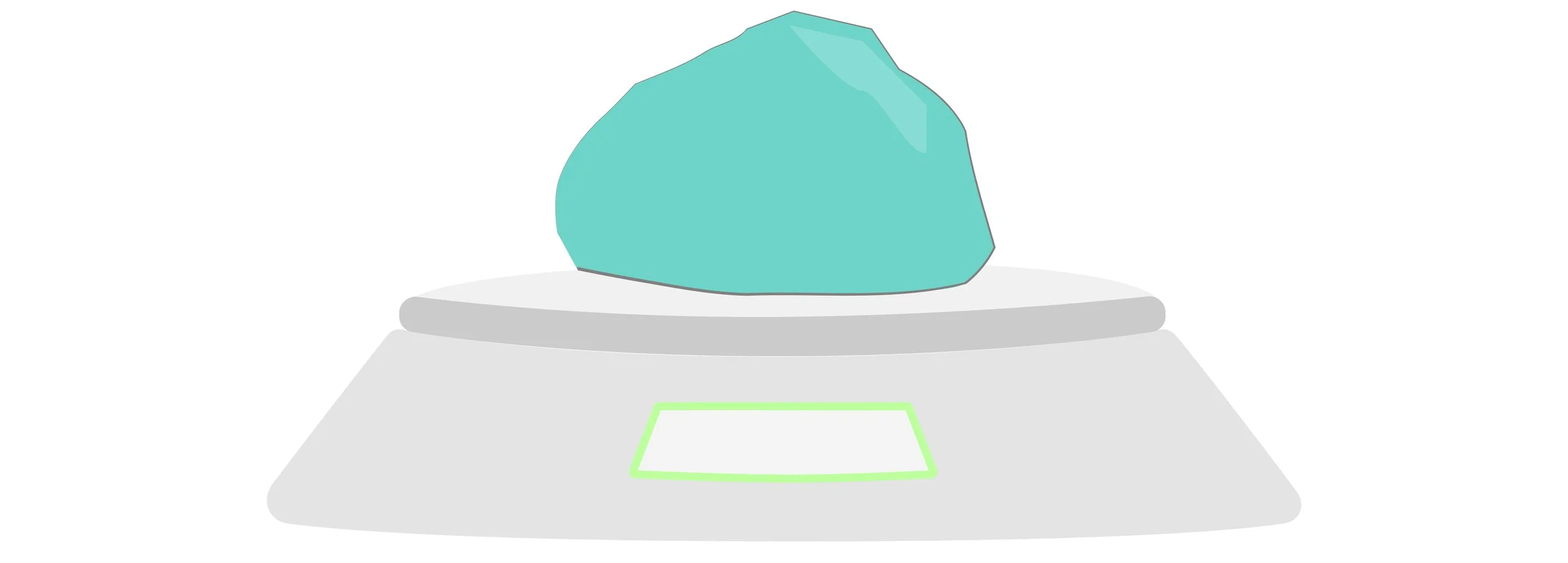
Place the dry stone on a top-pan balance and record its mass.
2. Measure Volume
-
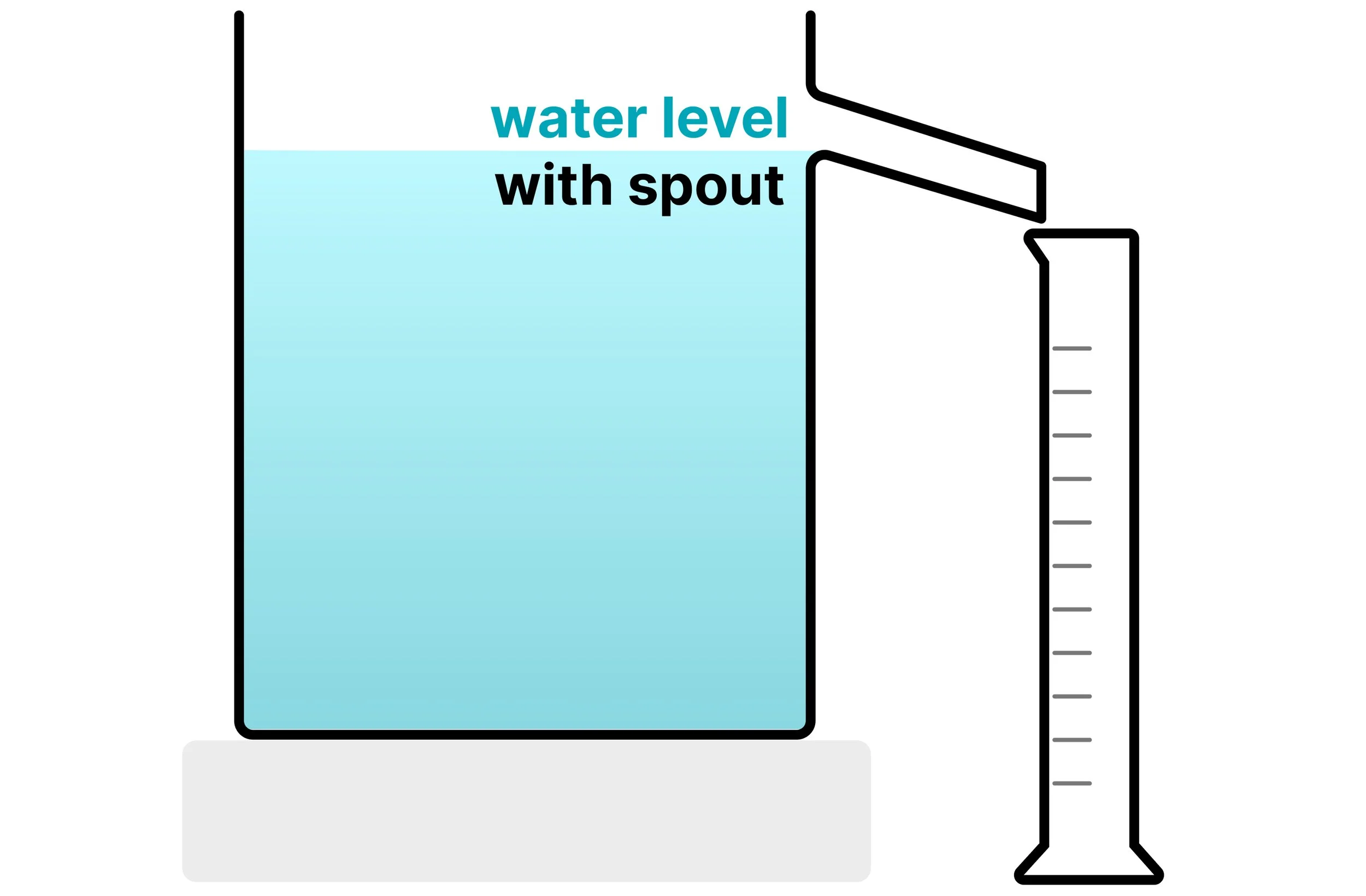
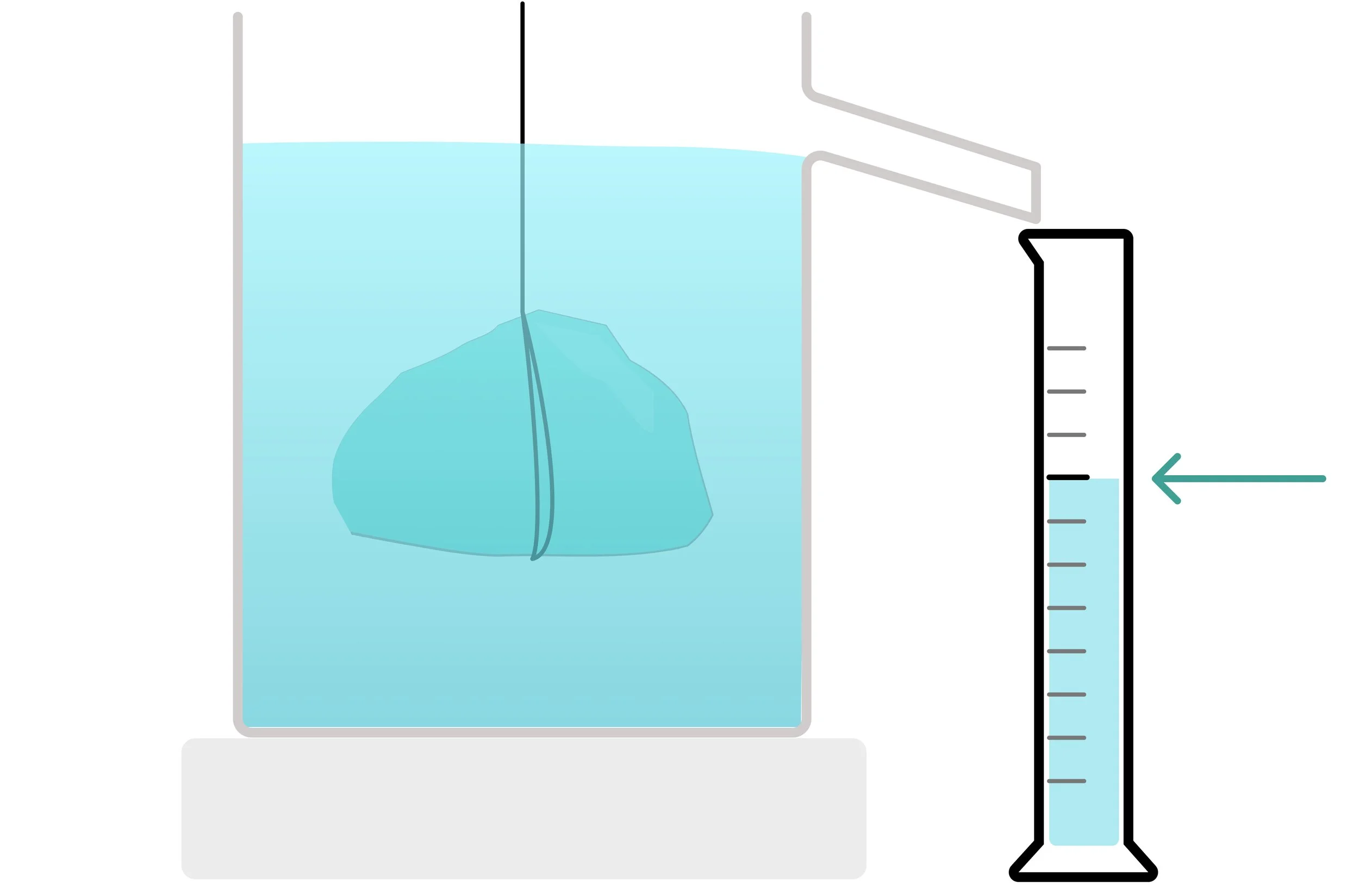
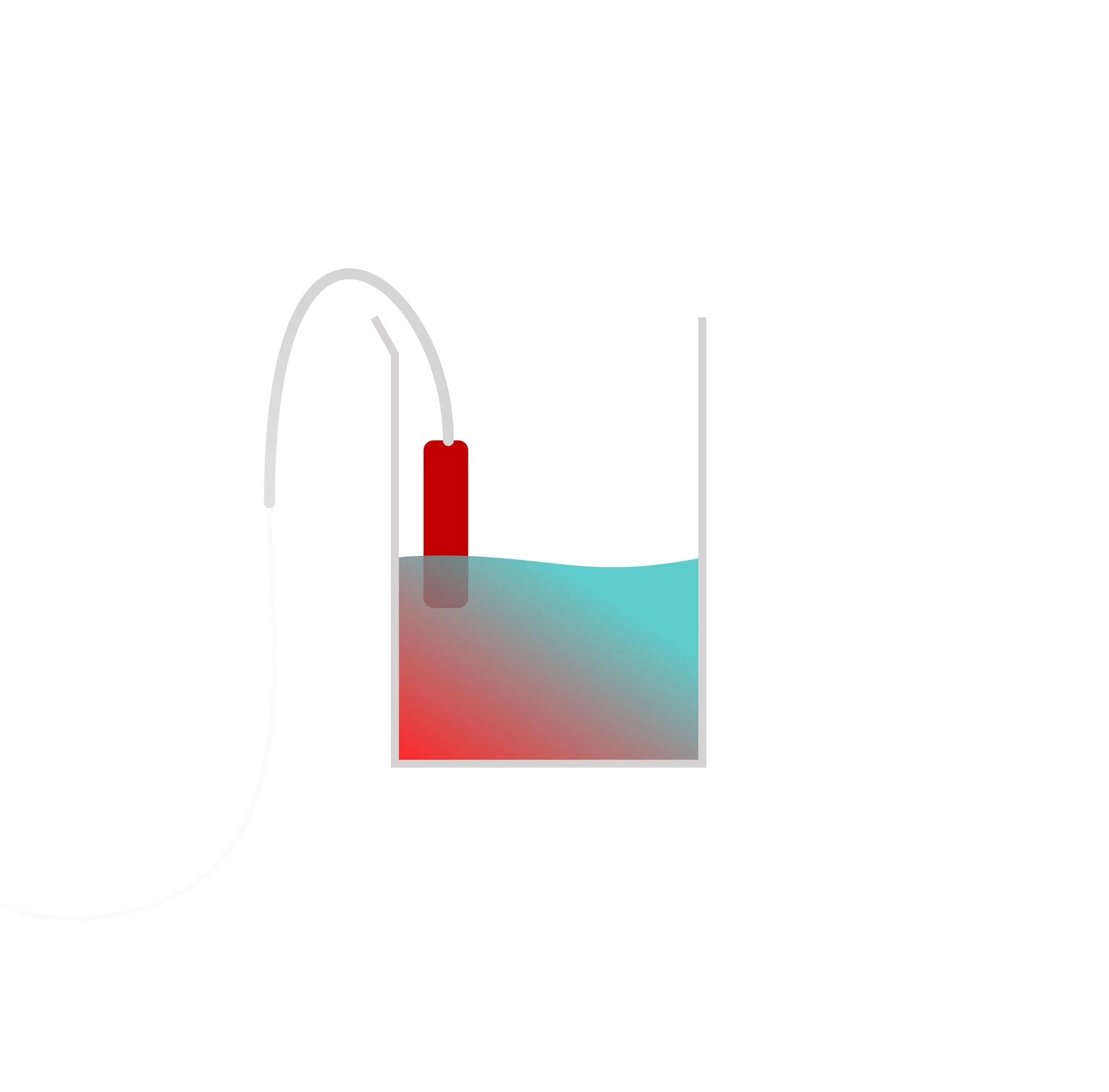
Fill a Eureka can with water until it is perfectly level with spout opening.,
Place an empty measuring cylinder beneath the spout.
-
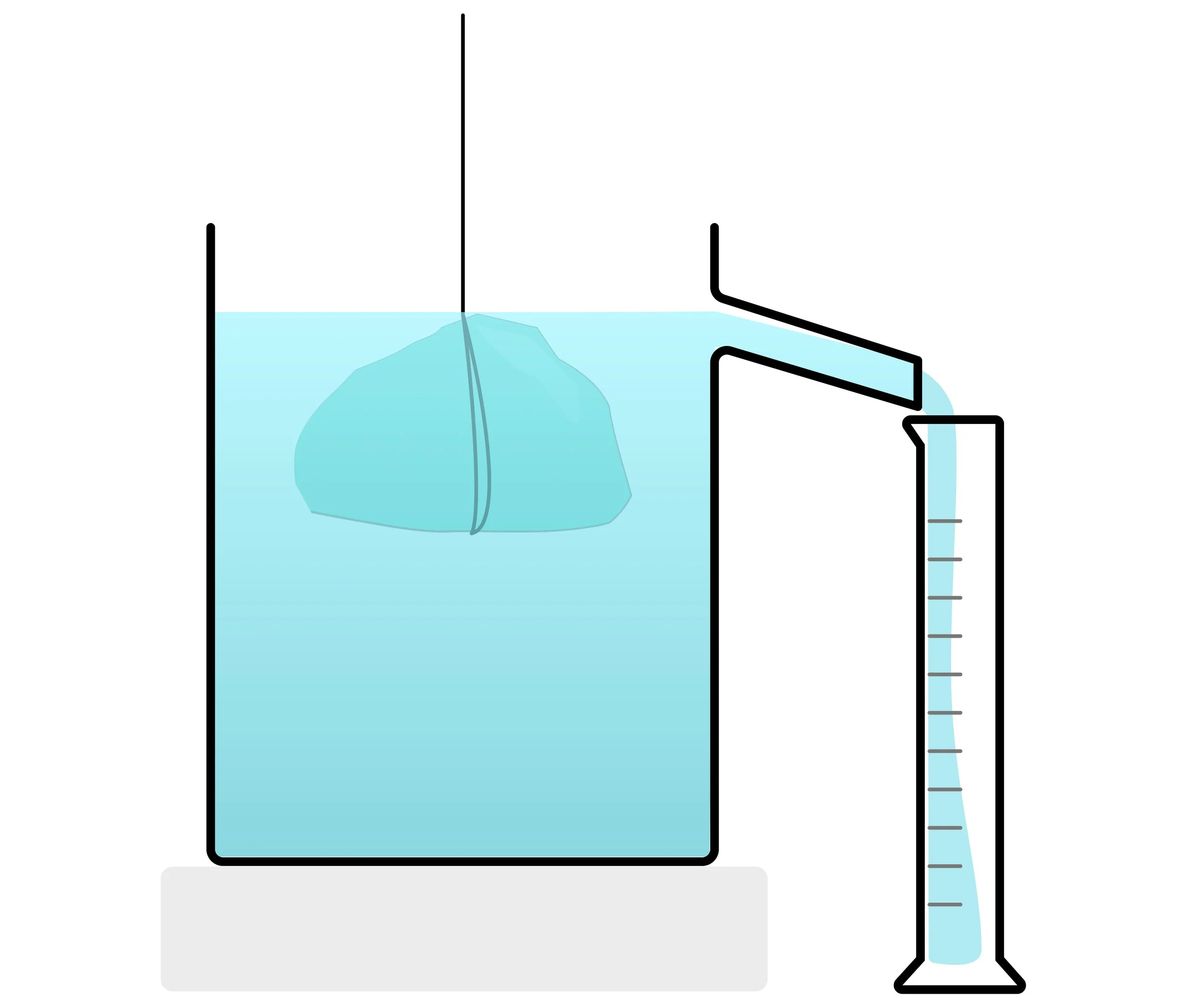
Tie a thin thread around the stone and gently immerse it until it is fully submerged.
Water will be pouring out of the spout and into the measuring cylinder in the process
3. Record Readings
-
Once all the stone is fully immersed and all the water has poured out into the measuring cylinder, read the water level in the measuring cylinder.
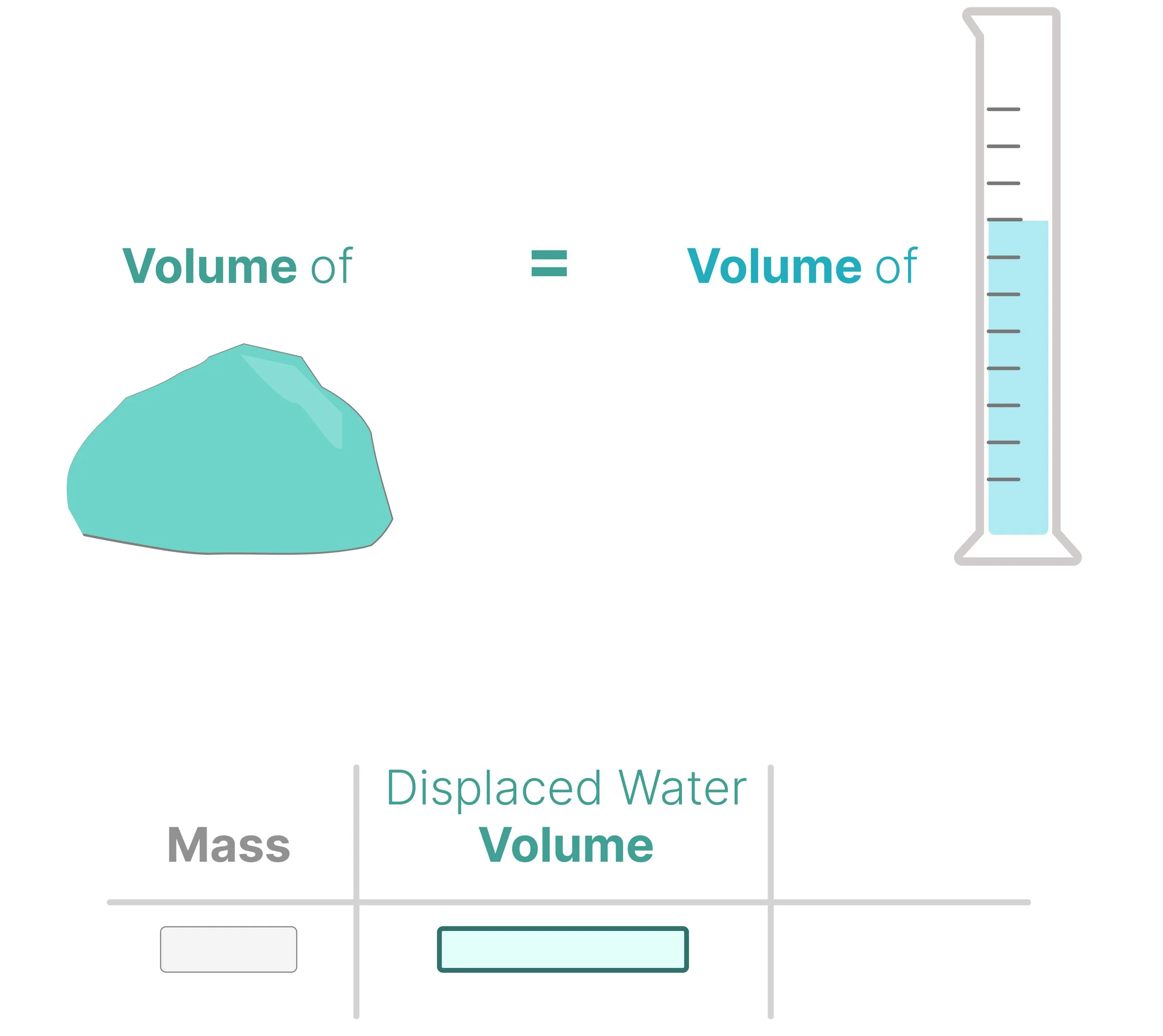
The displaced water is equal to the volume of the stone.
-
As the water in the eureka can returns to the original level, the stone has replaced a certain volume of water.
This displaced volume of water is therefore equal to the volume of the stone.
Calculate Density
-
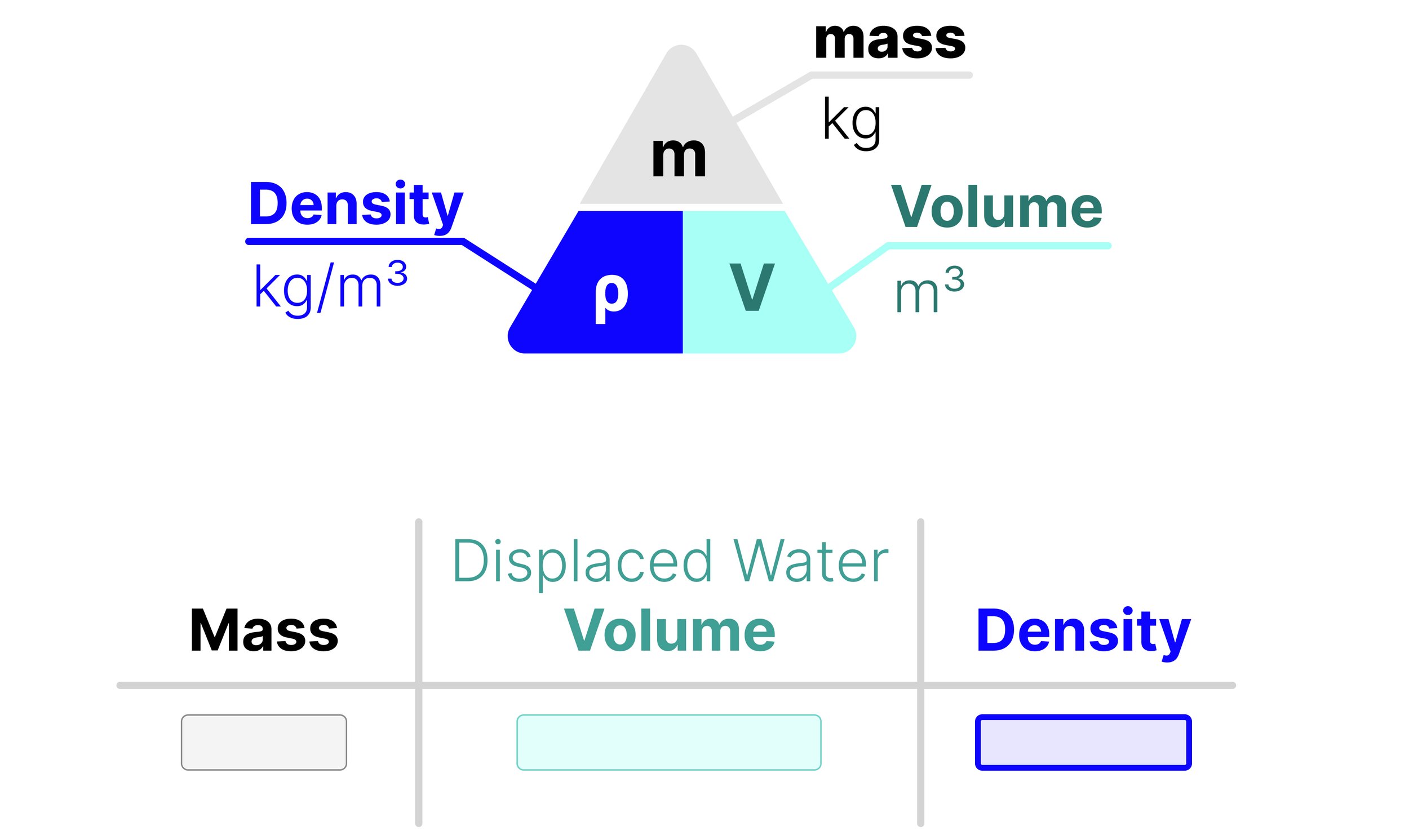
Convert volume from cm³ to m³
Convert mass from g to kg
Divide the mass in kilograms by the volume in cubic metres.
Density = mass ÷ volume
Challenge:
-
A thick rope would displace some water too, which makes the volume measurement an overestimation, as the displaced water would be a combination of the stone’s volume and the rope’s volume.
An overestimated volume, would lead to an underestimated density value.
A thin rope would cause minimal discrepancy, so should be used instead.
-
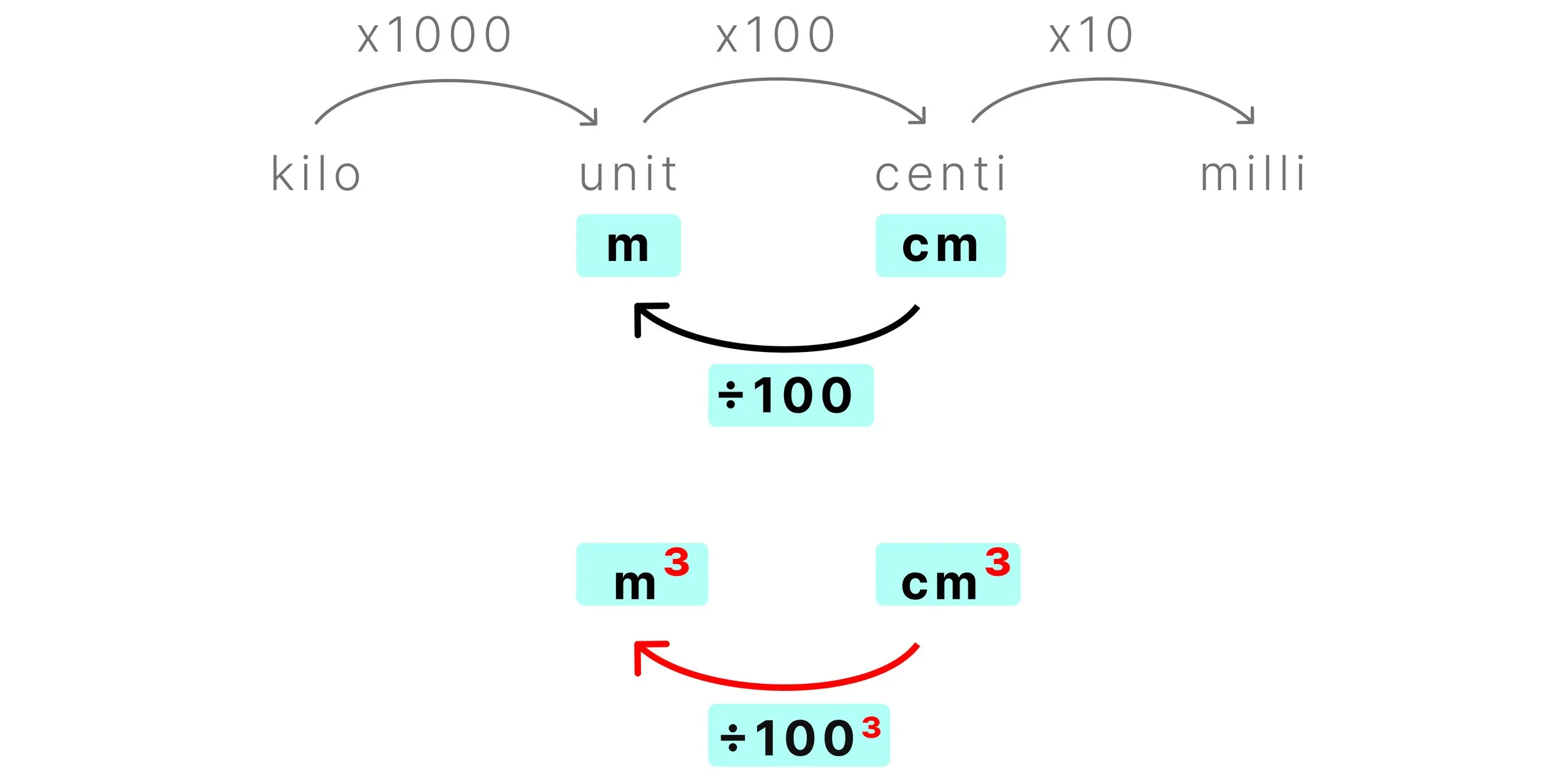
100 cm = 1 m
1,000,000 cm³ = 1 m³
Divide the volume in cm³ by 1,000,000 to obtain volume in m³.
Then, you can calculate density by dividing mass in kg by volume in m³.
Continue Revising Paper 1


Need help improving your GCSE Physics grade?
These visuals are created by our experienced GCSE tutors.
