
Resistor Networks - AQA Practical
AQA GCSE Physics Electricity required practical: evaluating resistance of resistors in series and parallel. Combined & Triple Science.
Plan a valid method to investigate how the total resistance of two resistors varies when arranged in series and parallel.
[6 marks]
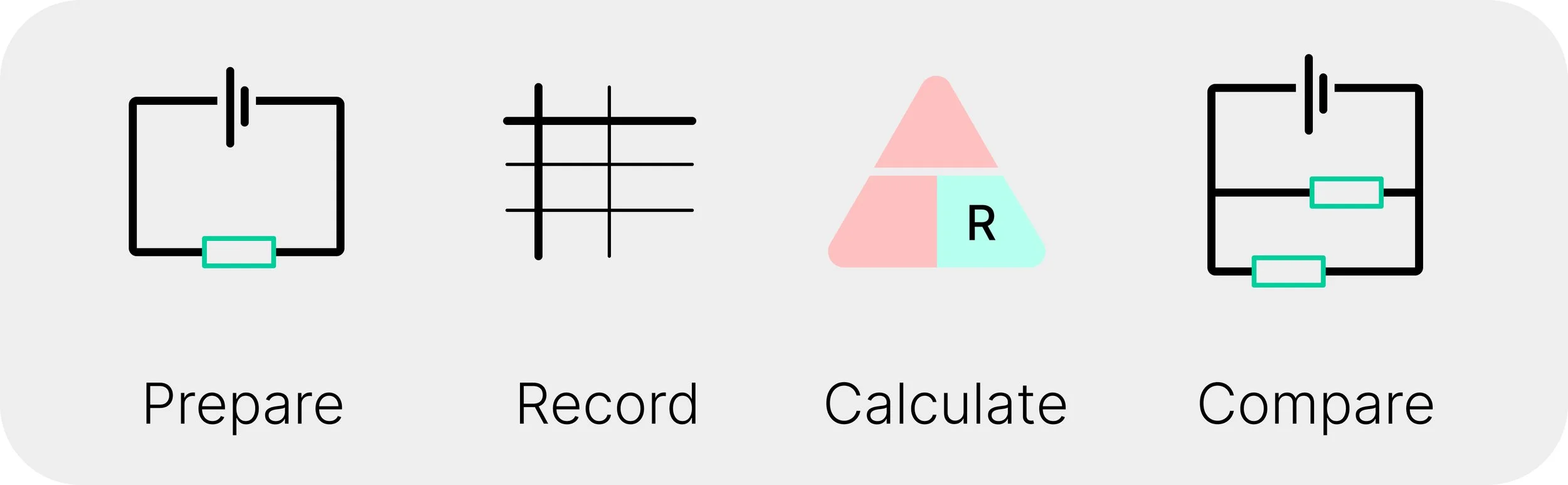
1. Prepare
-
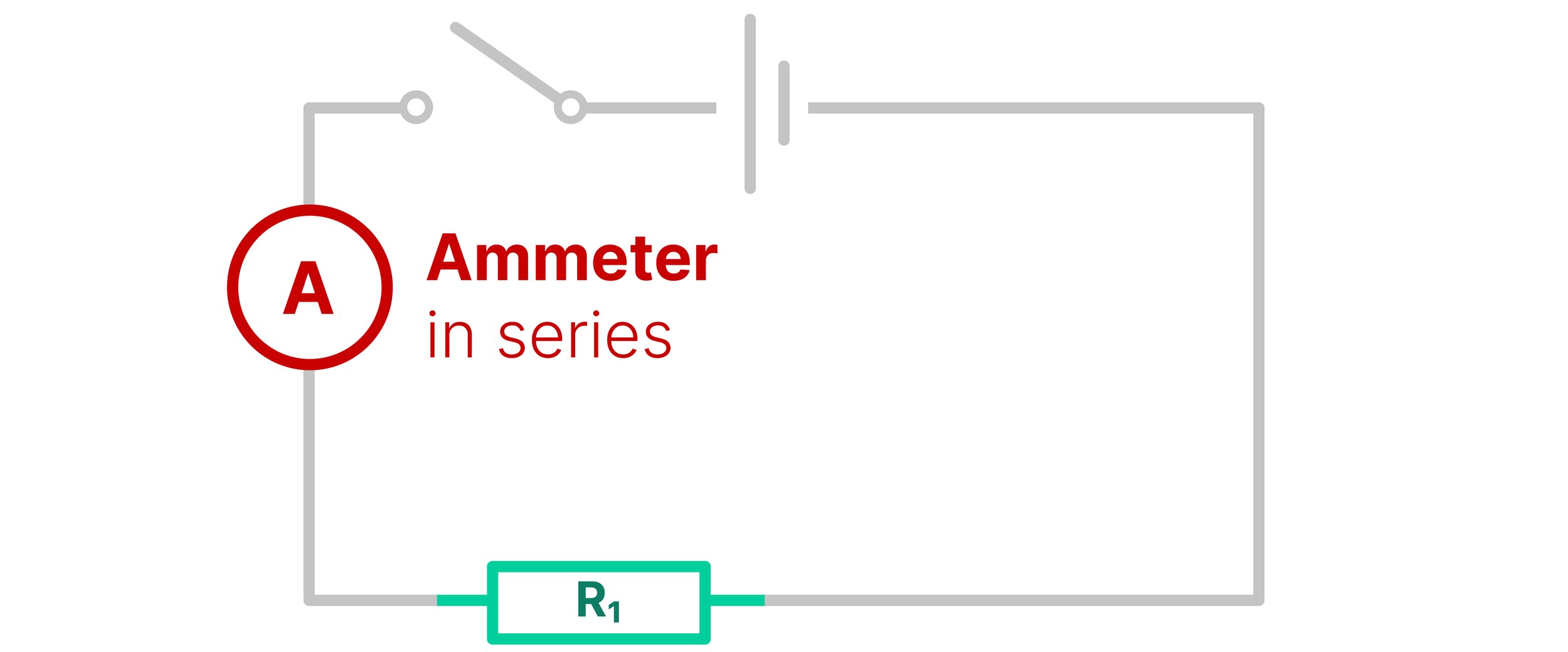
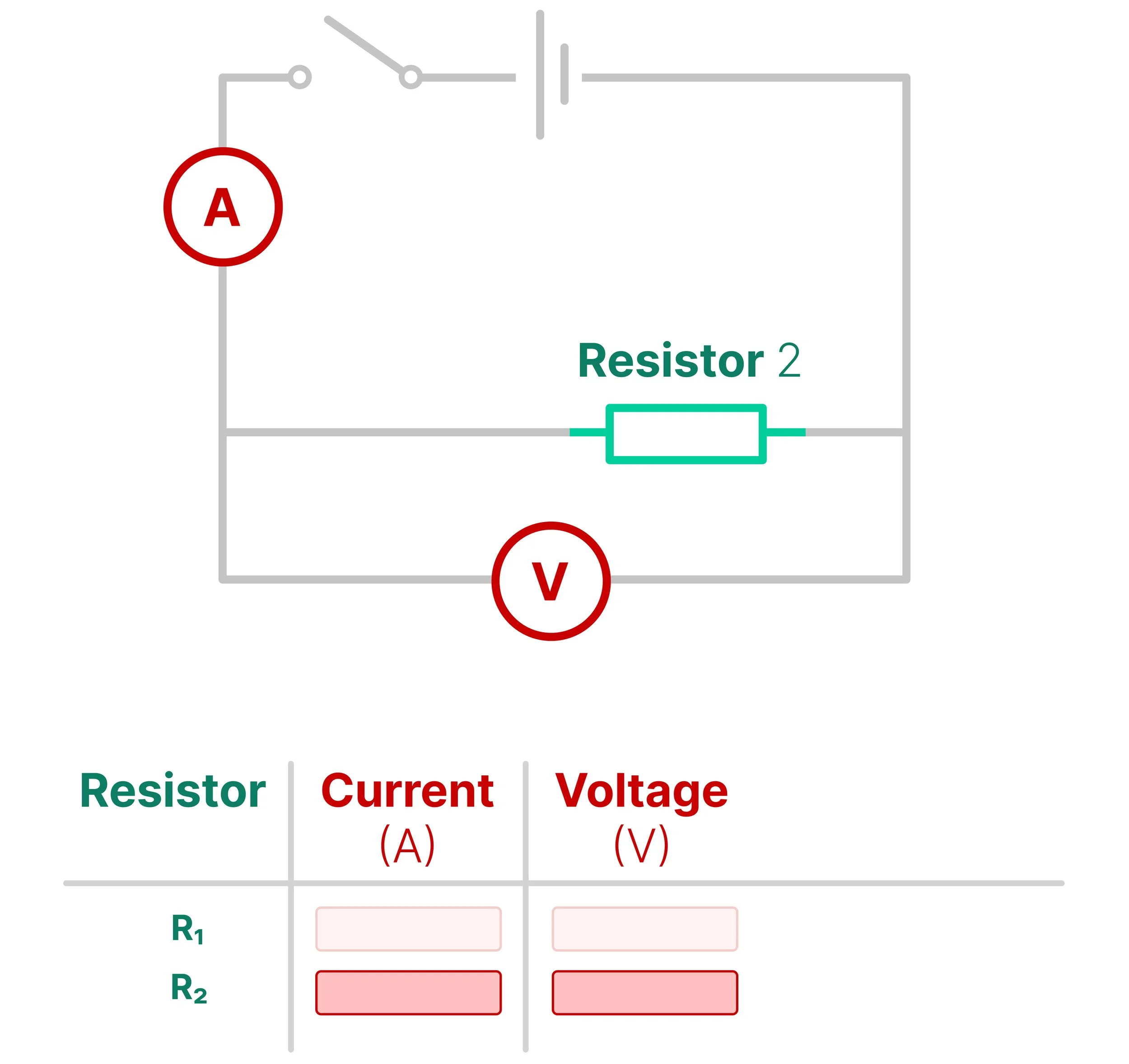
1.5 V cell to power the circuit
Switch
First Resistor


-
Ammeter in series
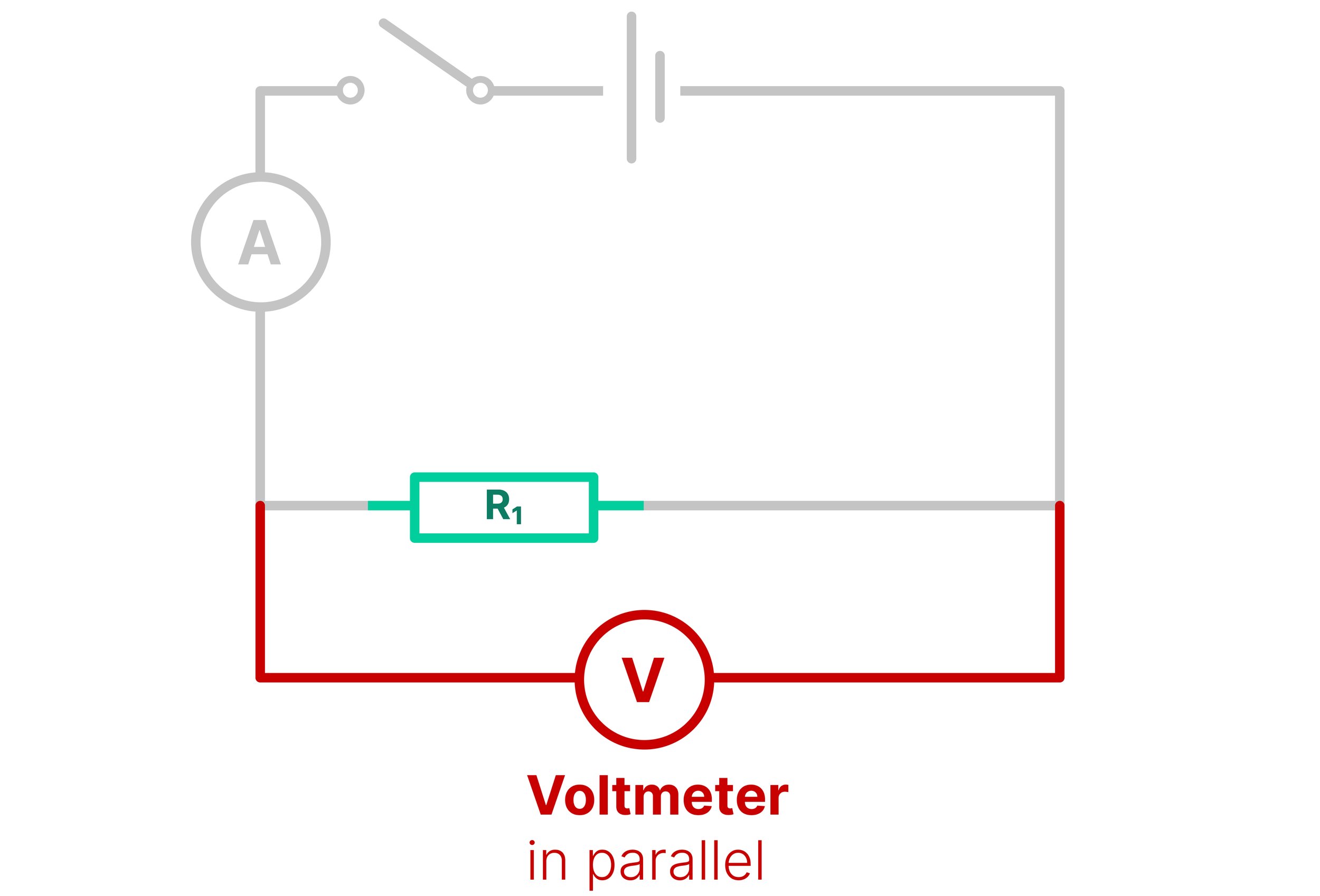
Voltmeter in parallel
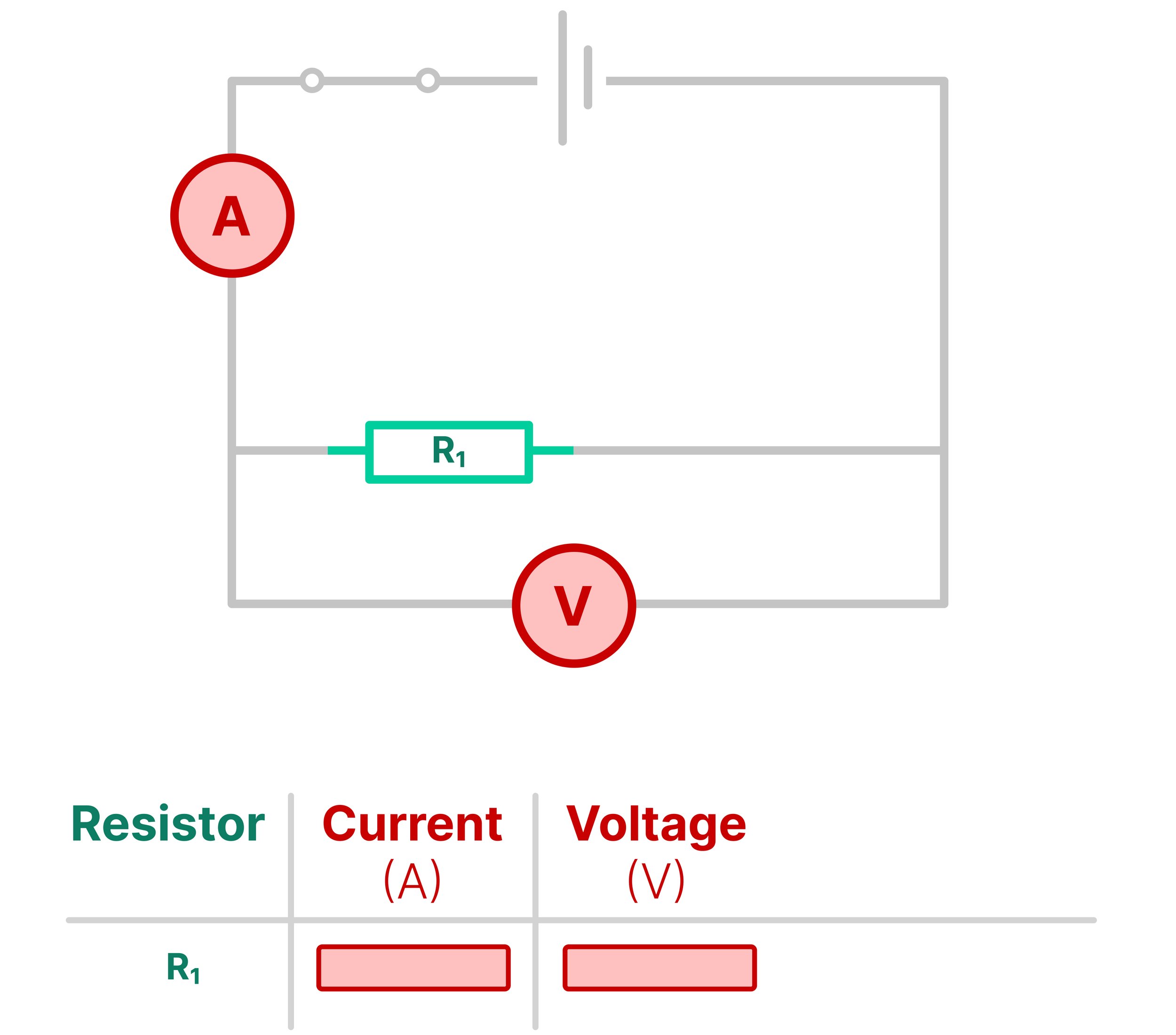
2. Record Readings
-
Current in Amps
Voltage (Potential Difference) in Volts
-
Replace R₁ with R₂
Take:
Current in Amps
Voltage (Potential Difference) in Volts
Make sure to turn off switch when changing resistors, then turn it back on to take readings.
3. Calculate
-
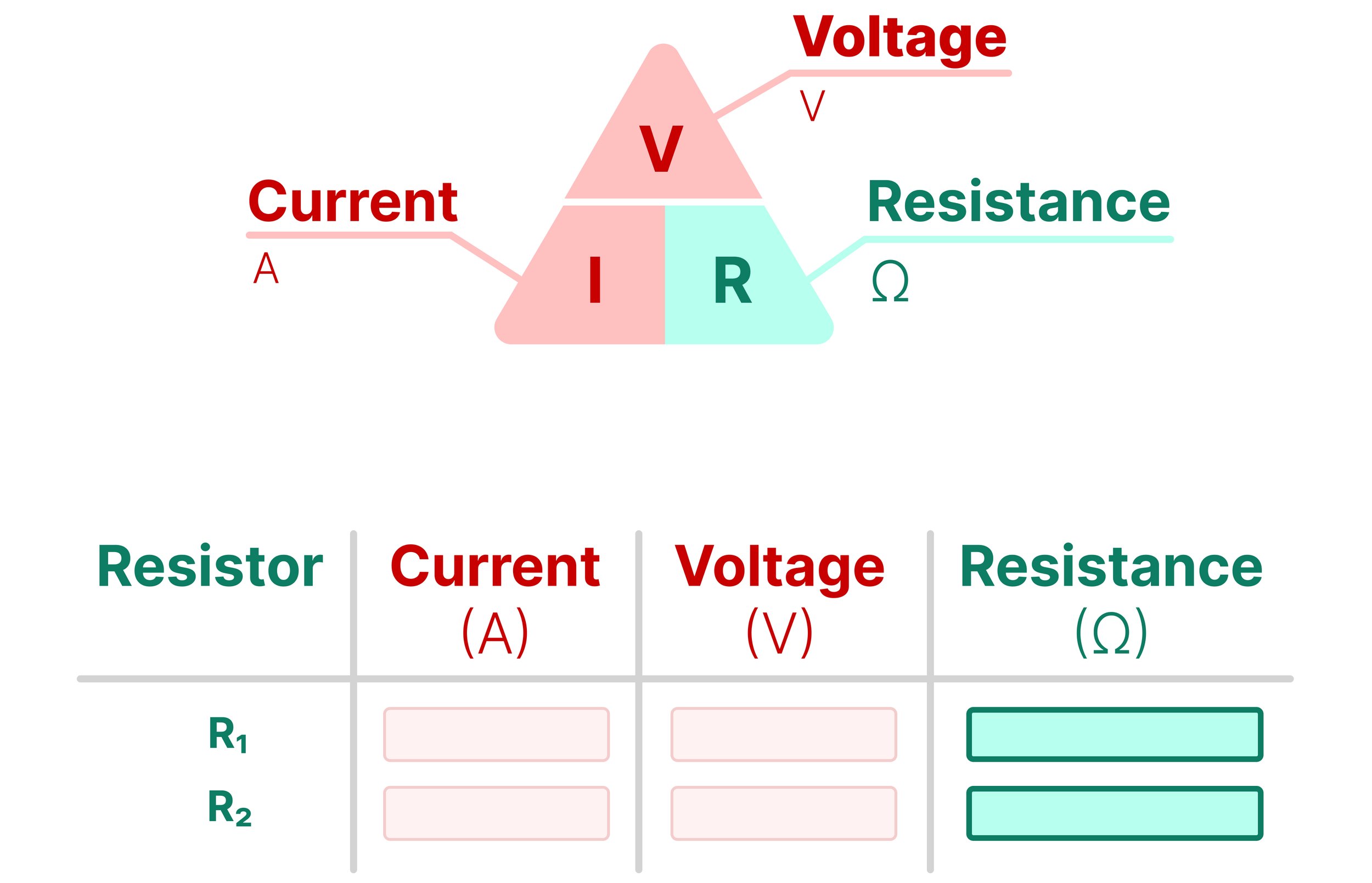
R = V / I
4. Compare 2 Arrangements
-
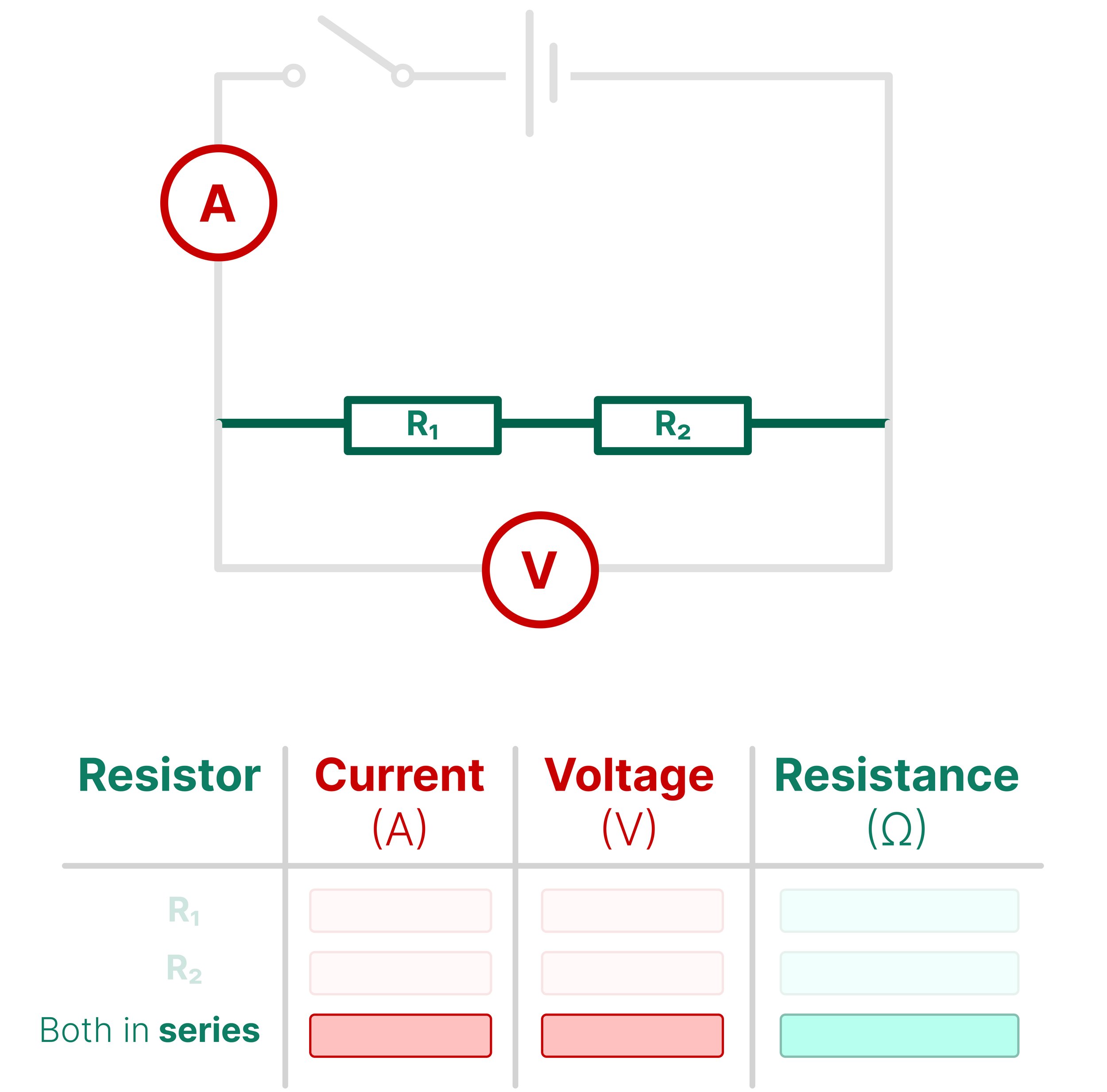
Place resistors in series
Close switch and take current and voltage readings
Calculate resistance
-
Open switch
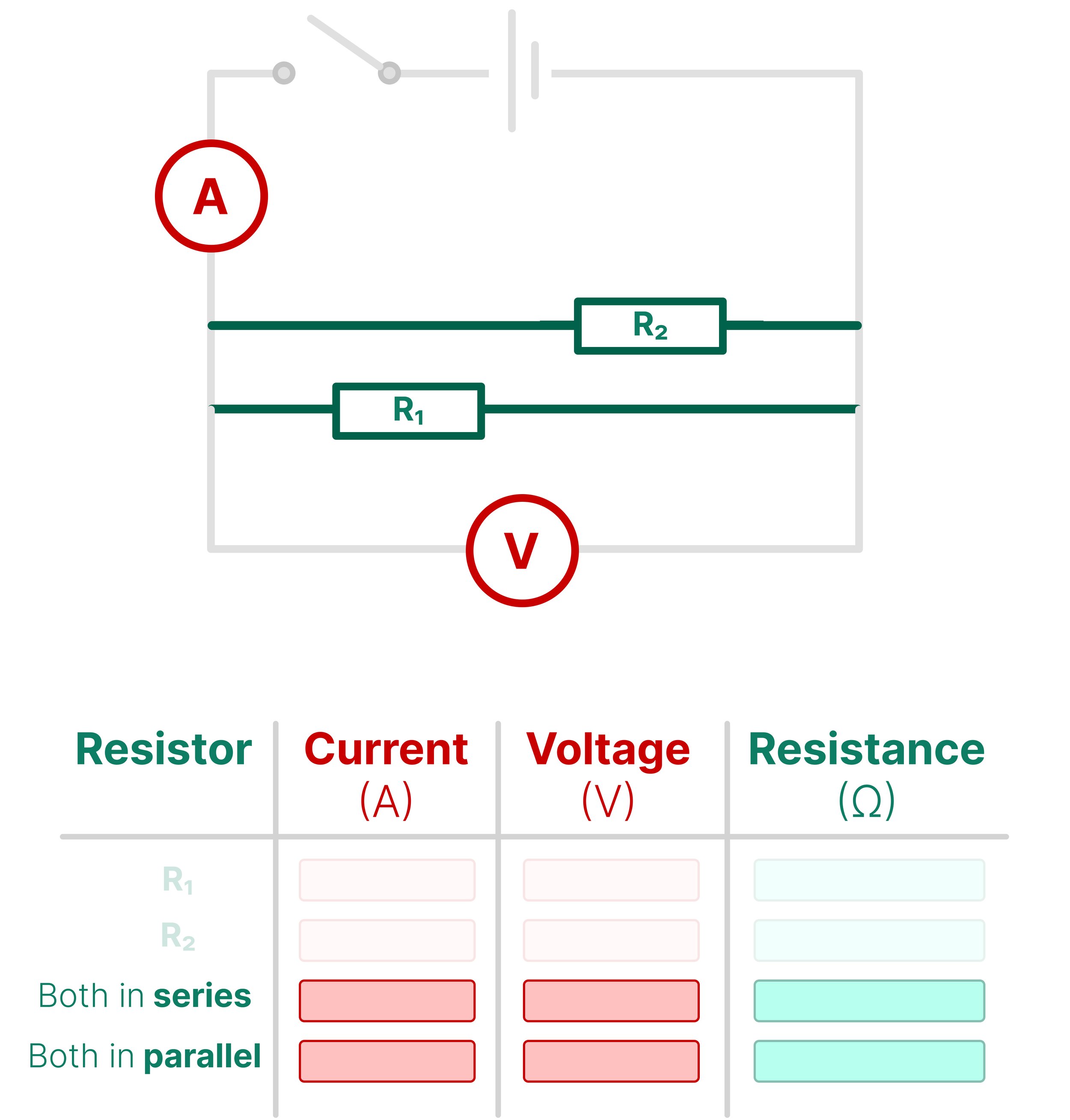
Place resistors in parallel
Close switch and take current and voltage readings
Calculate resistance
Challenge:
-
Keep the same two resistors and power supply throughout the investigation.
-
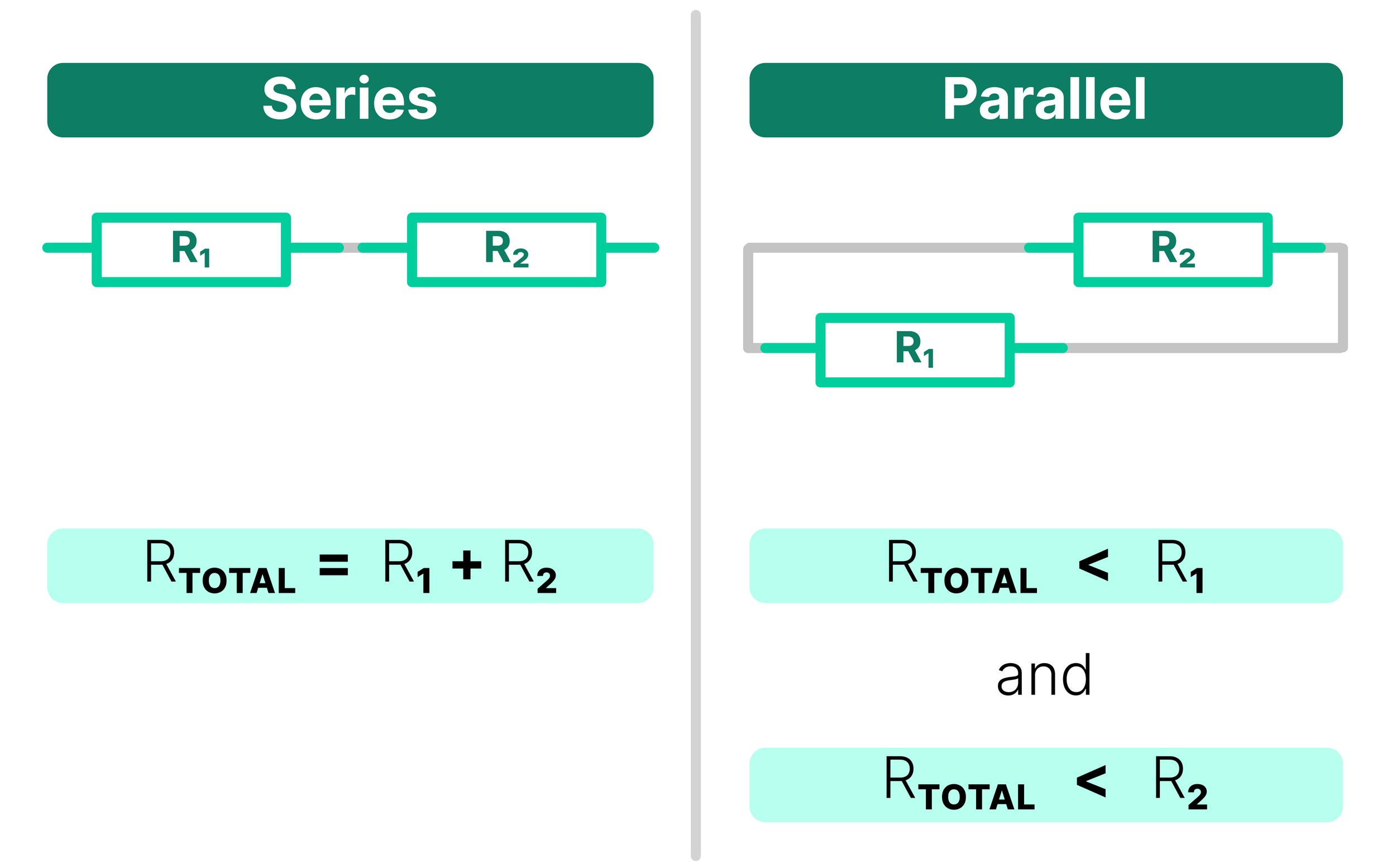
In Series
Total resistance = sum of the resistance of both resistors
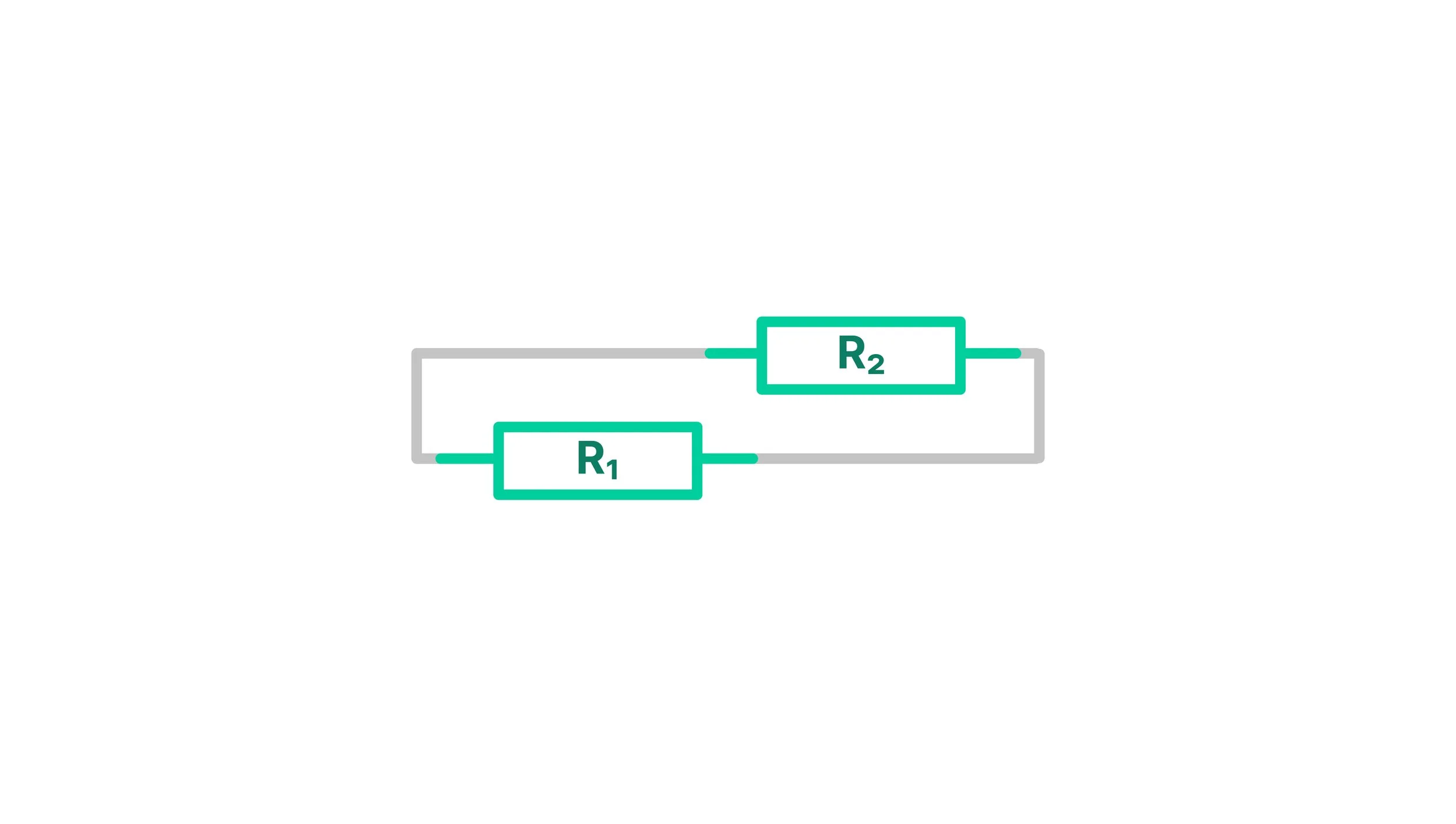
In Parallel
Total resistance is less than each individual resistor
This is because the current has an alternative path in parallel circuits, so more current flows (greater total current for the same potential difference, reducing resistance).
Continue Revising Paper 1

Need help improving your GCSE Physics grade?
These visuals are created by our experienced GCSE tutors.
