Temperature Changes: AQA Practical
AQA-style Exam Question
A student investigates how the mass of solid anhydrous copper sulfate affects its temperature change when it is dissolved in water.
Plan a valid method.
[6 marks]
-
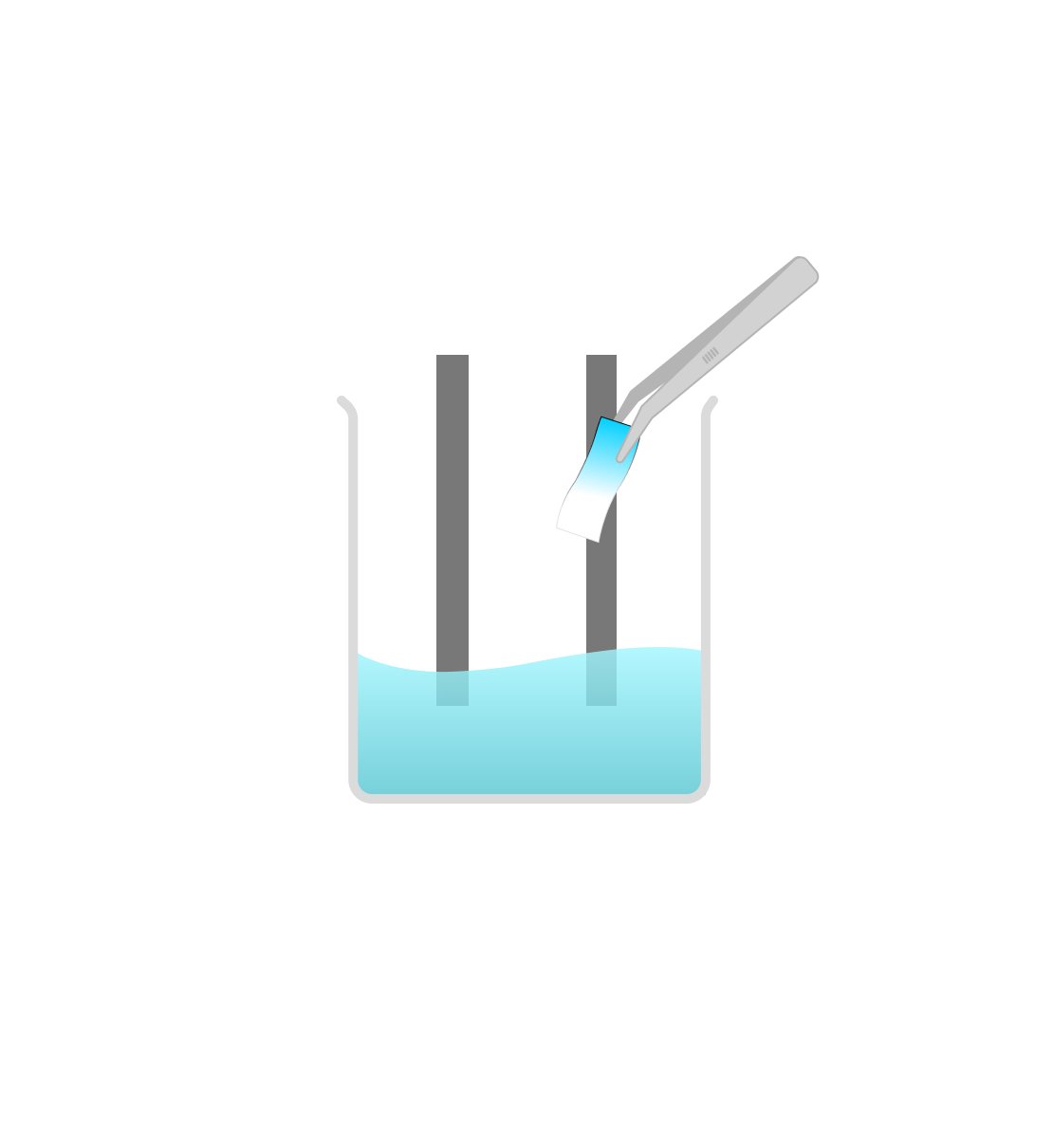
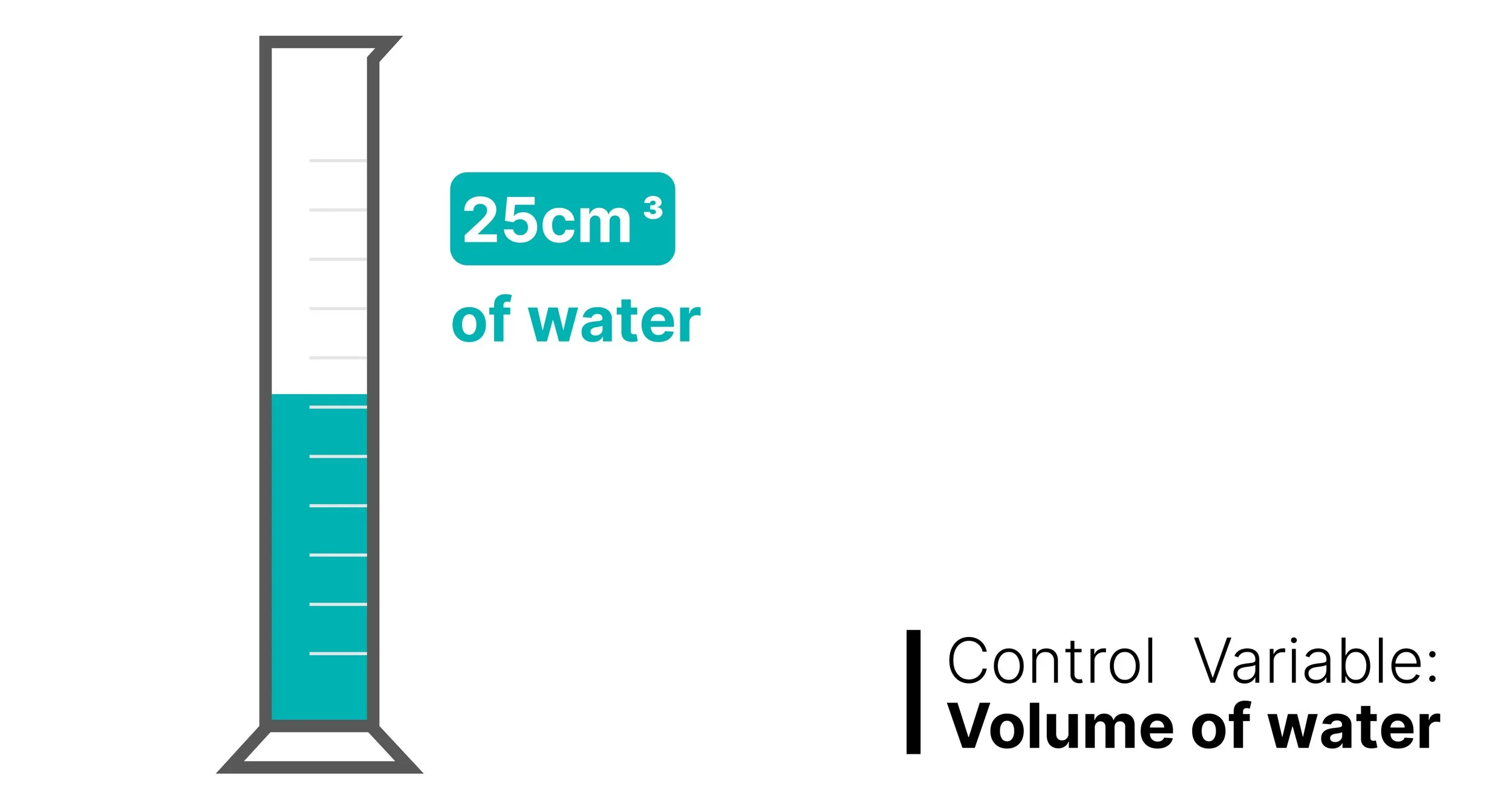
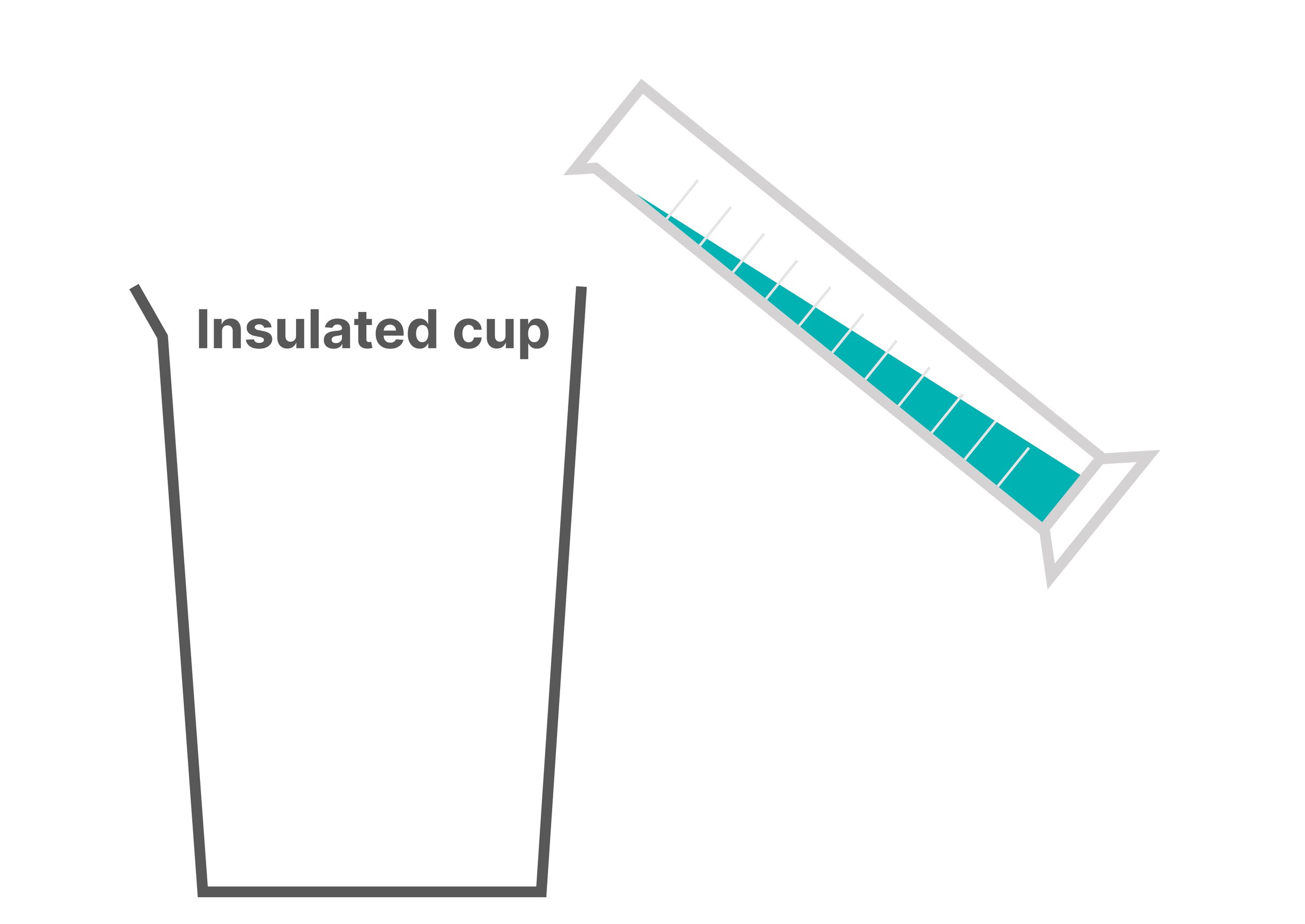
Measure 25 cm³ of water using a measuring cylinder and pour it into an insulated cup.
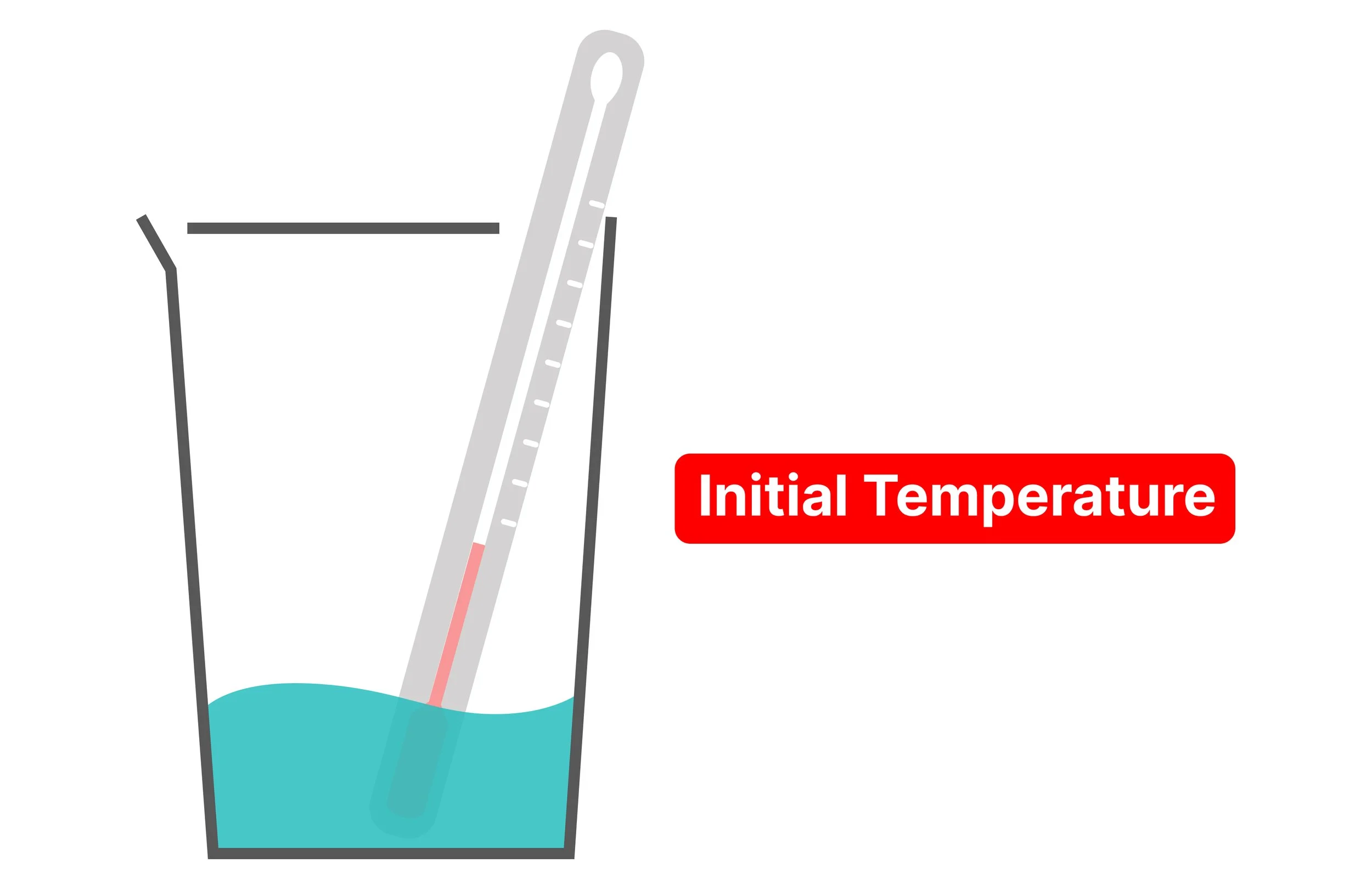
Record the initial temperature of the water using a thermometer.
CONTROL VARIABLE
Keep the volume of water the same every time.
-
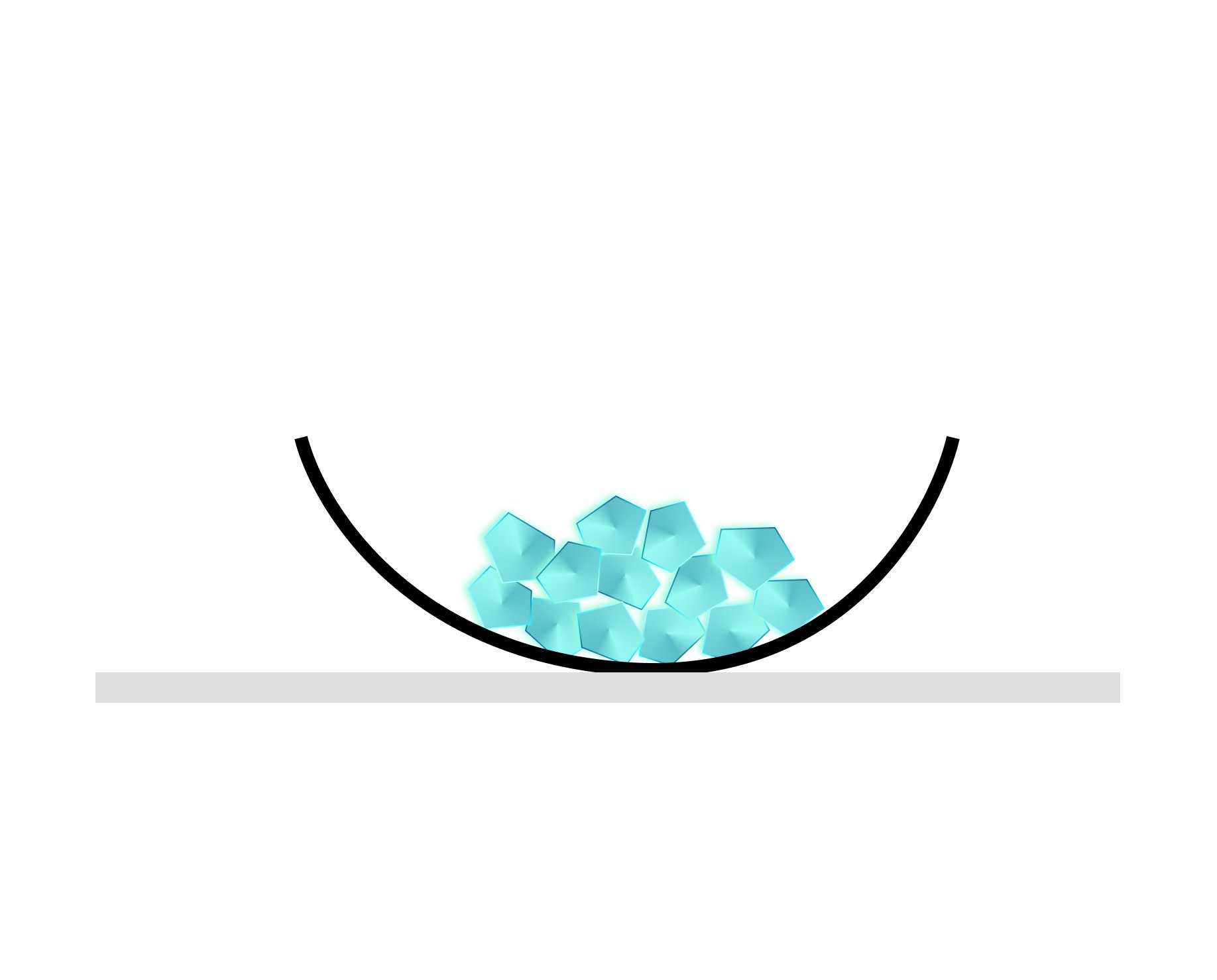
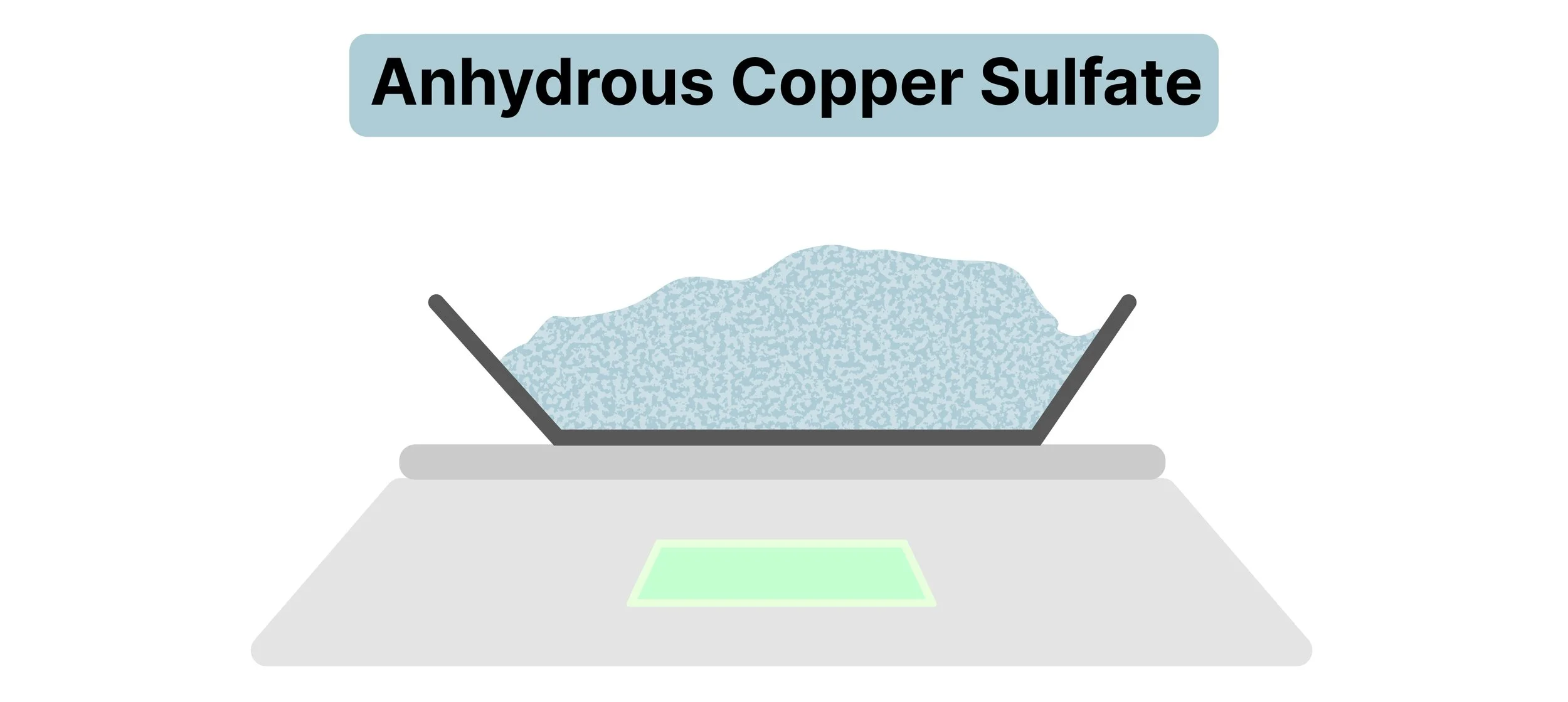
Measure 2g of anhydrous copper sulfate using a balance.
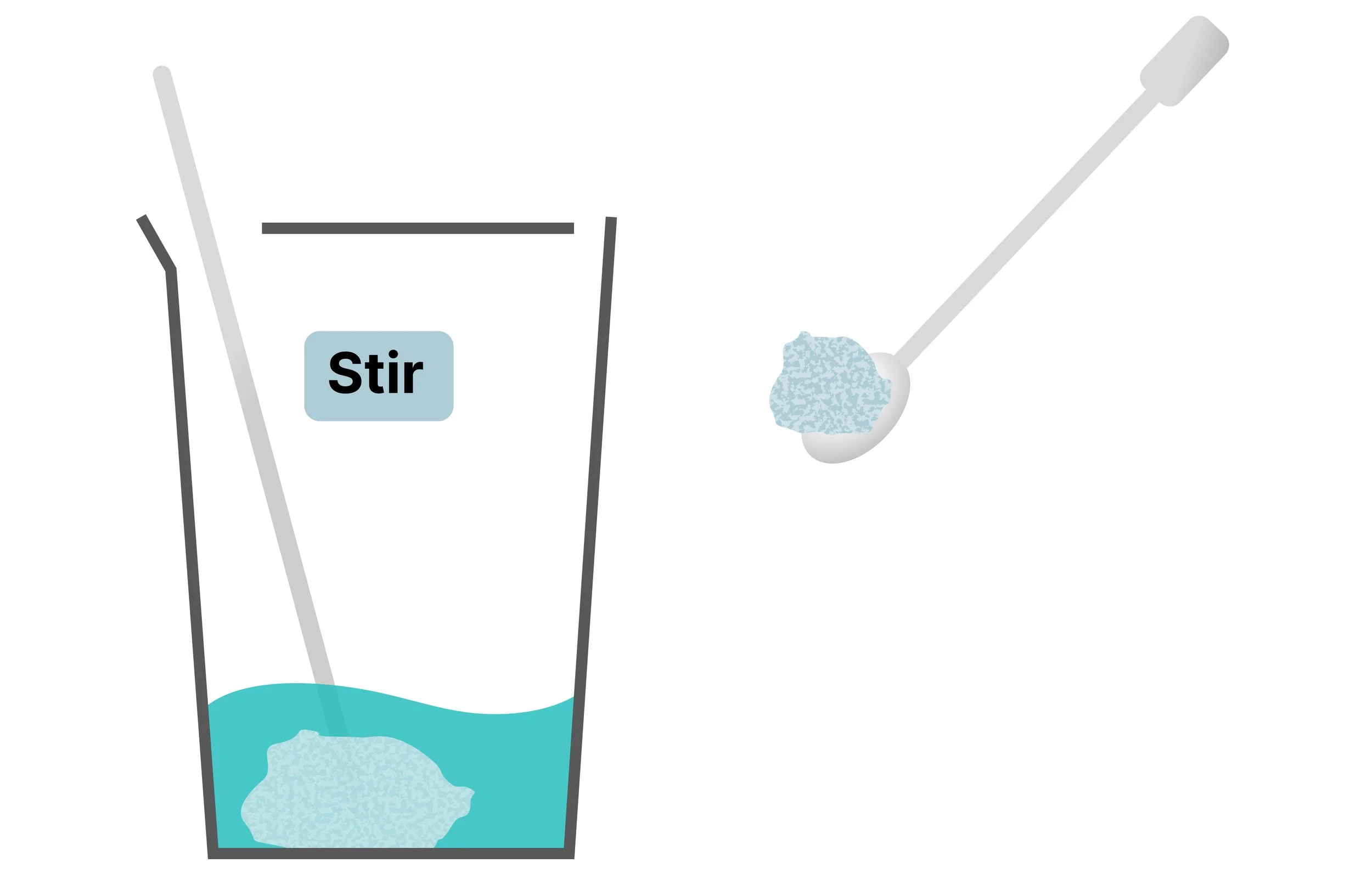
Add it to the water in the insulated cup and stir thoroughly until it has dissolved.
-
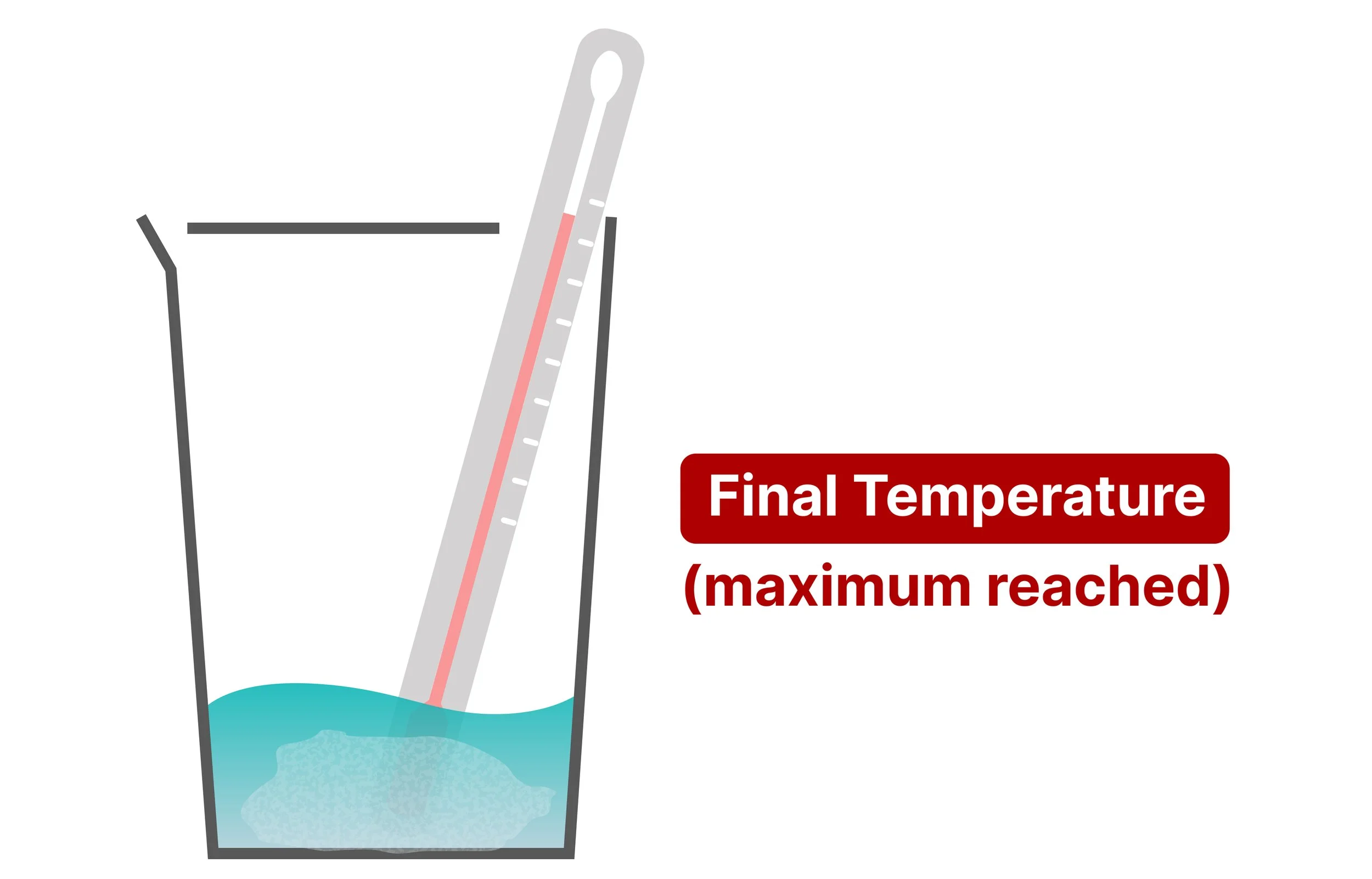
Record the maximum temperature reached by the solution using a thermometer.
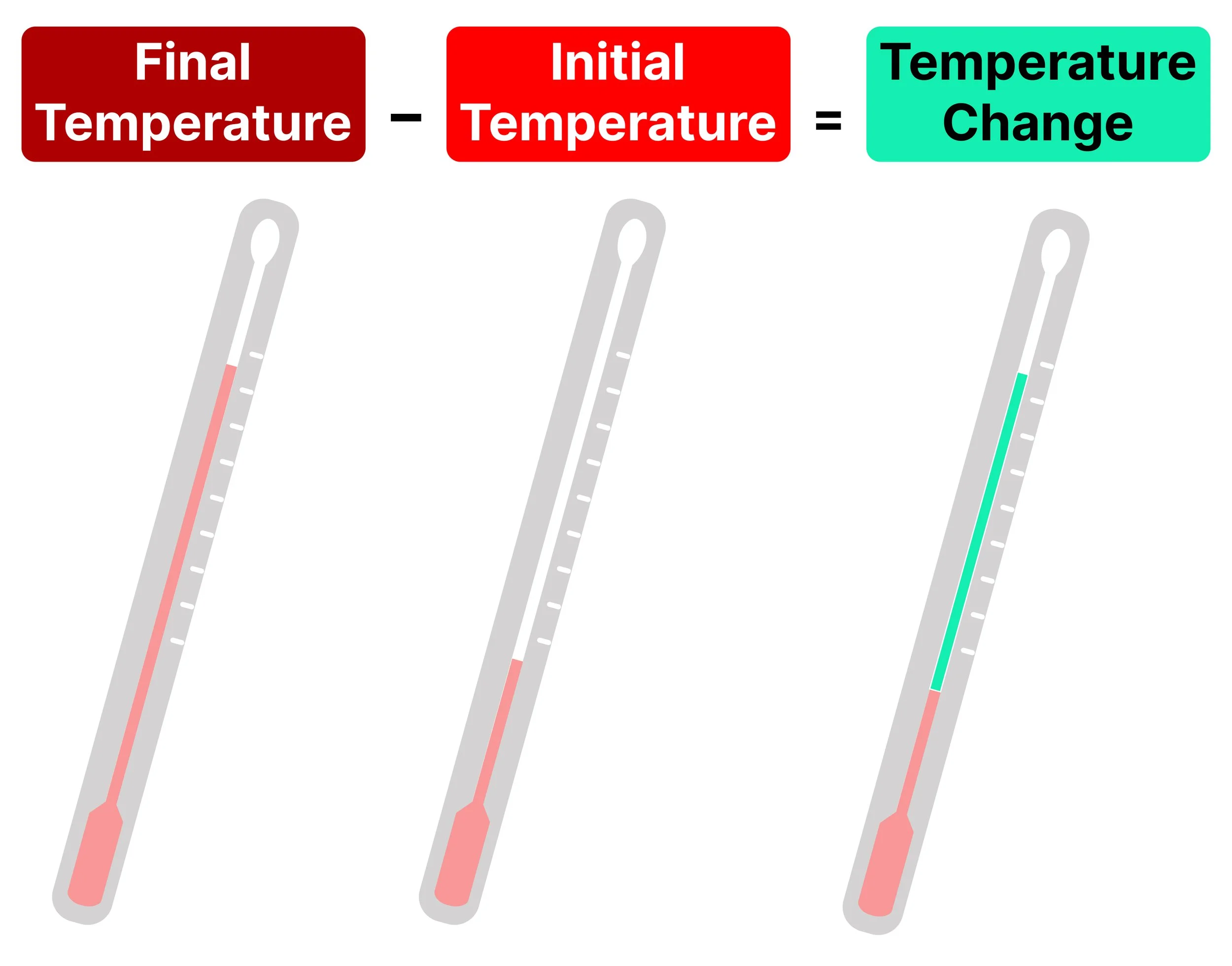
Then calculate the temperature change using:
temperature increase = maximum temperature − initial temperature
-
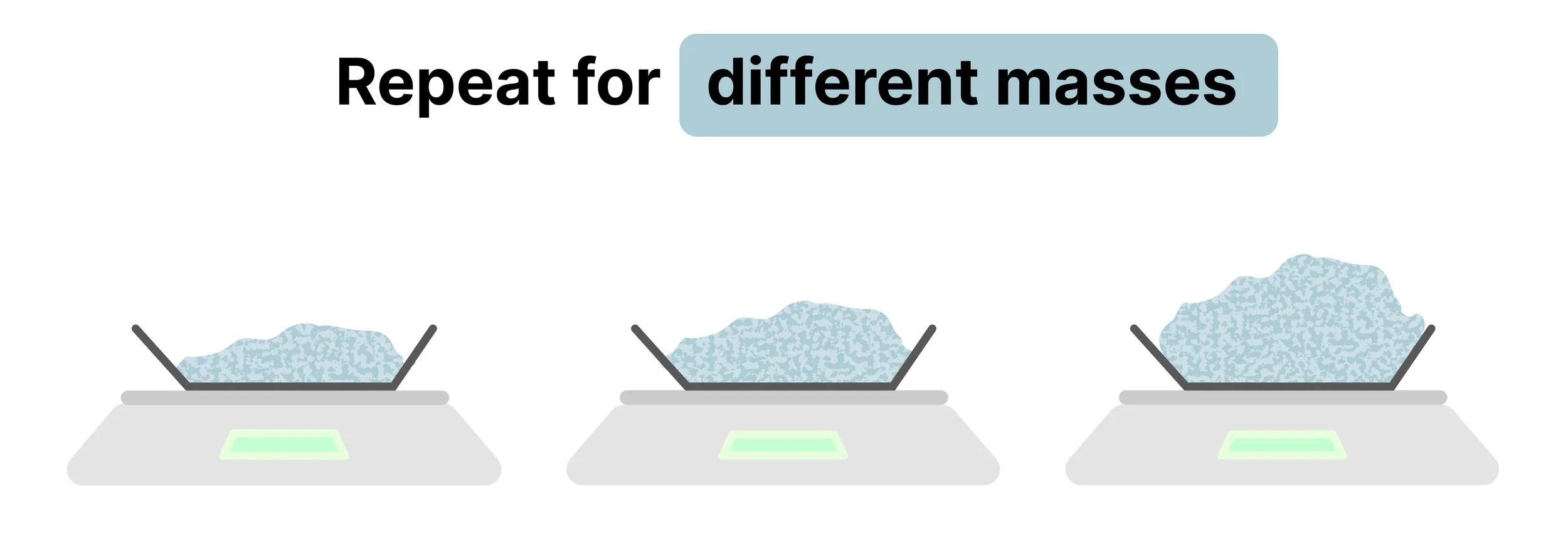
The mass of anhydrous copper sulfate is the independent variable (what we change).
So repeat the experiment for different masses, for example 1 g, 2 g, 3 g, 4 g and 5 g.
Need help improving your GCSE Chemistry grade?
These visuals are created by our experienced GCSE tutors.