Electrolysis
When Calcium Chloride solution is electrolysed, what products are formed at the negative Cathode and the positive Anode?
Specify which product is oxidised and which is reduced.
[4 mark]
Visual Mark Scheme Breakdown
-
Cl negative ion (since it gains an electron)
Ca positive ion (since it loses an electron)
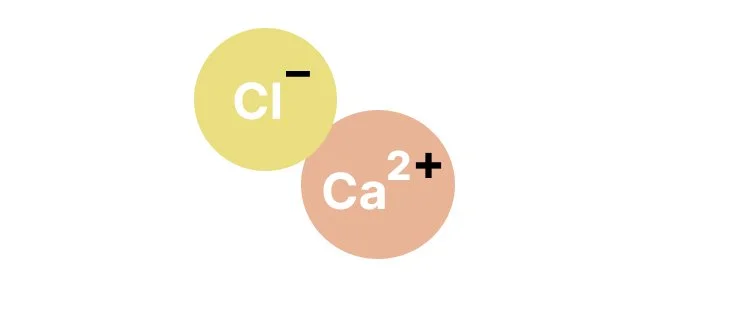
-
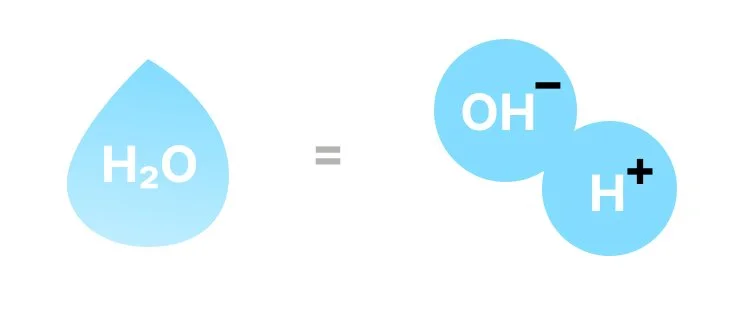
Solution means dissolved in Water.
Water splits up into H+ and OH-
-
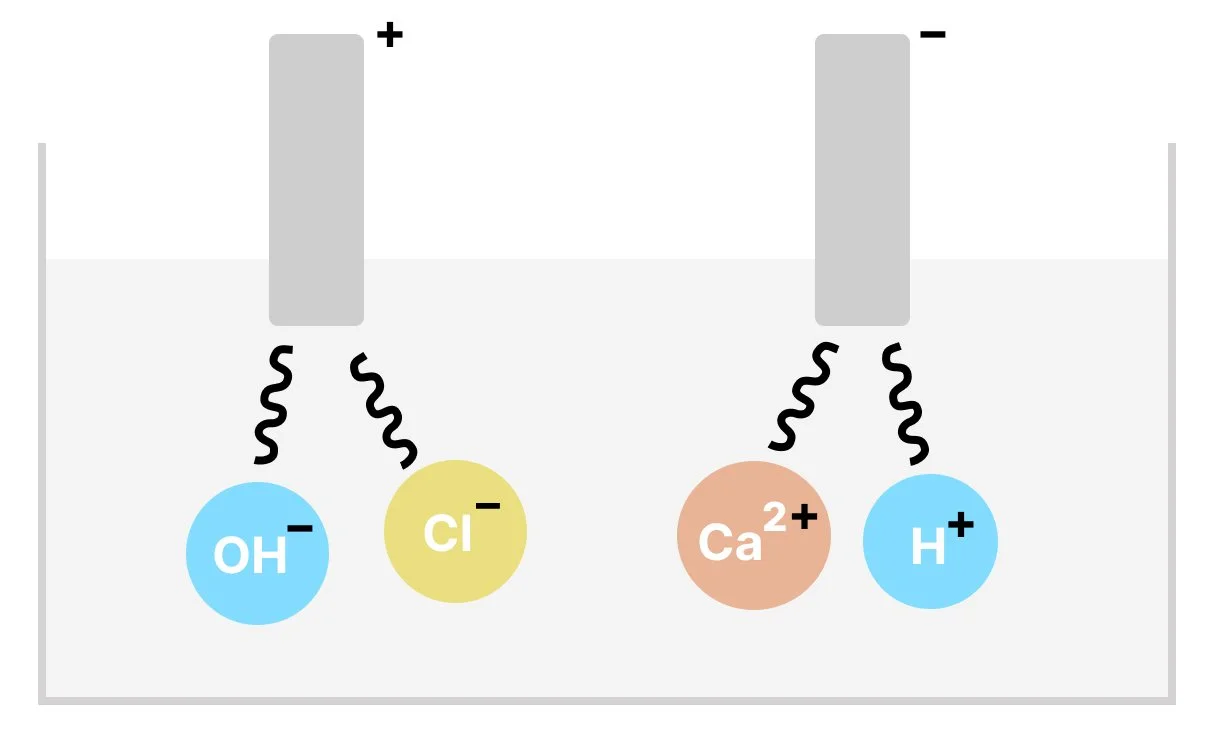
Negative ions (OH- and Cl-) are attracted to the positive Anode.
Positive ions (Ca2+ and H+) are attracted to the negative Cathode.
-
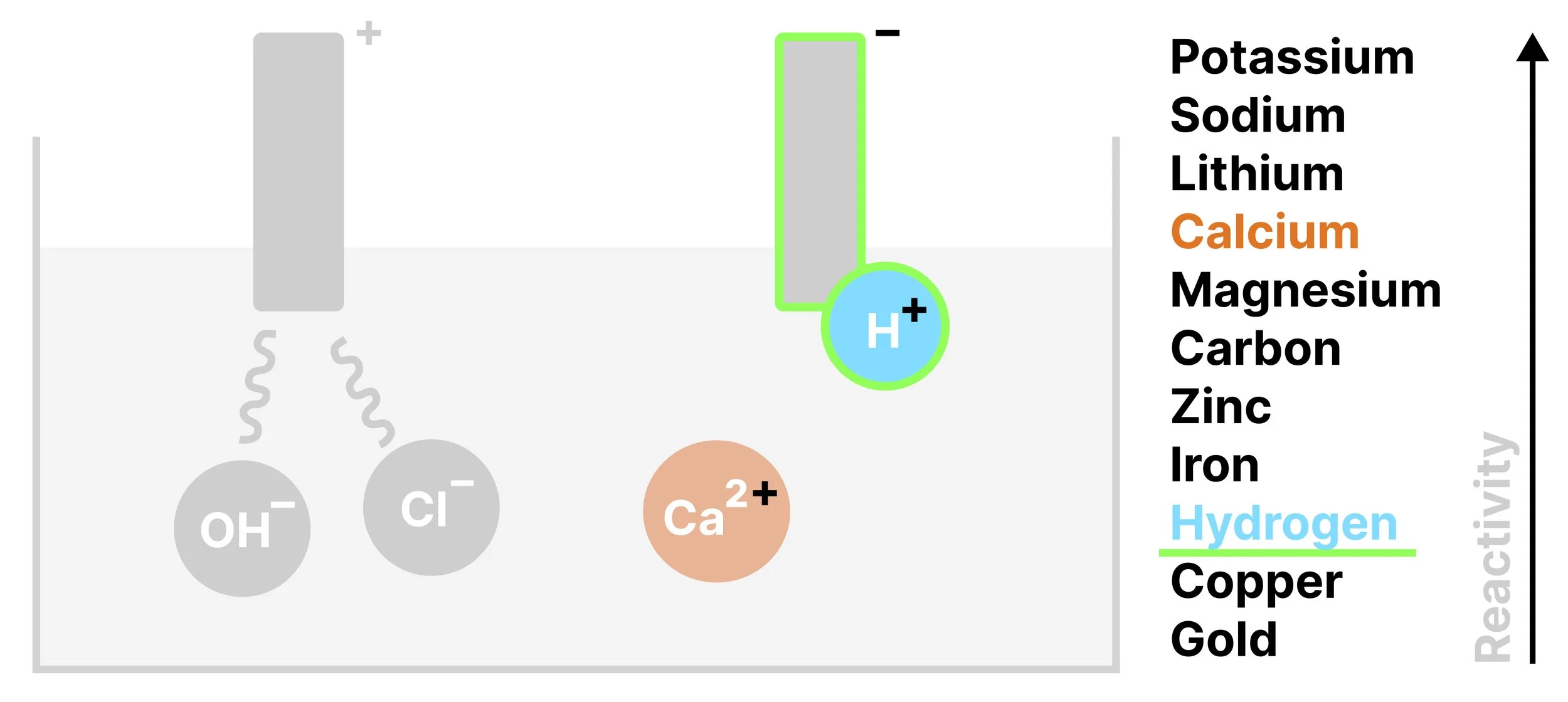
At the negative electrode (Cathode), the LESS reactive ion wins.
Hydrogen is less reactive than Calcium so H+ wins.
-
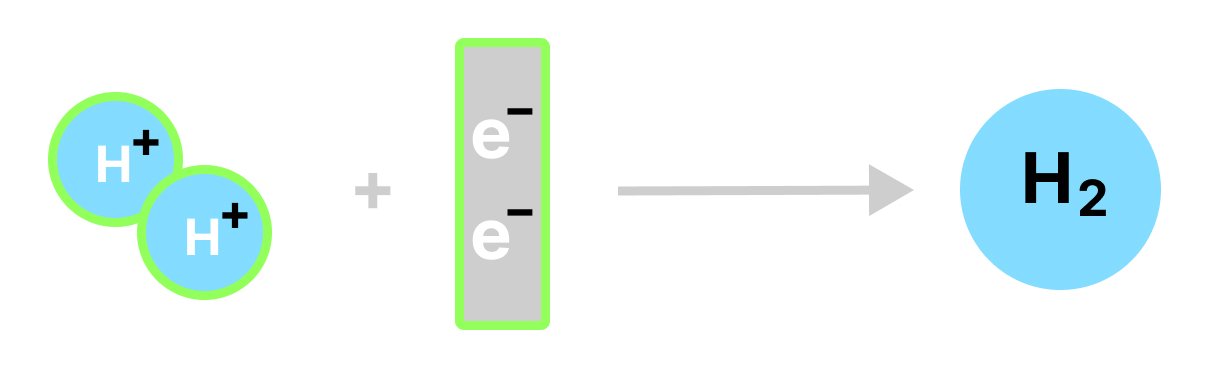
H+ ions gain negative electrons at the Cathode.
So Hydrogen gas is formed at the Cathode. (1 mark)
According to OIL RIG, Reduction is Gain of electrons.
So Hydrogen has been Reduced. (1 mark)
-
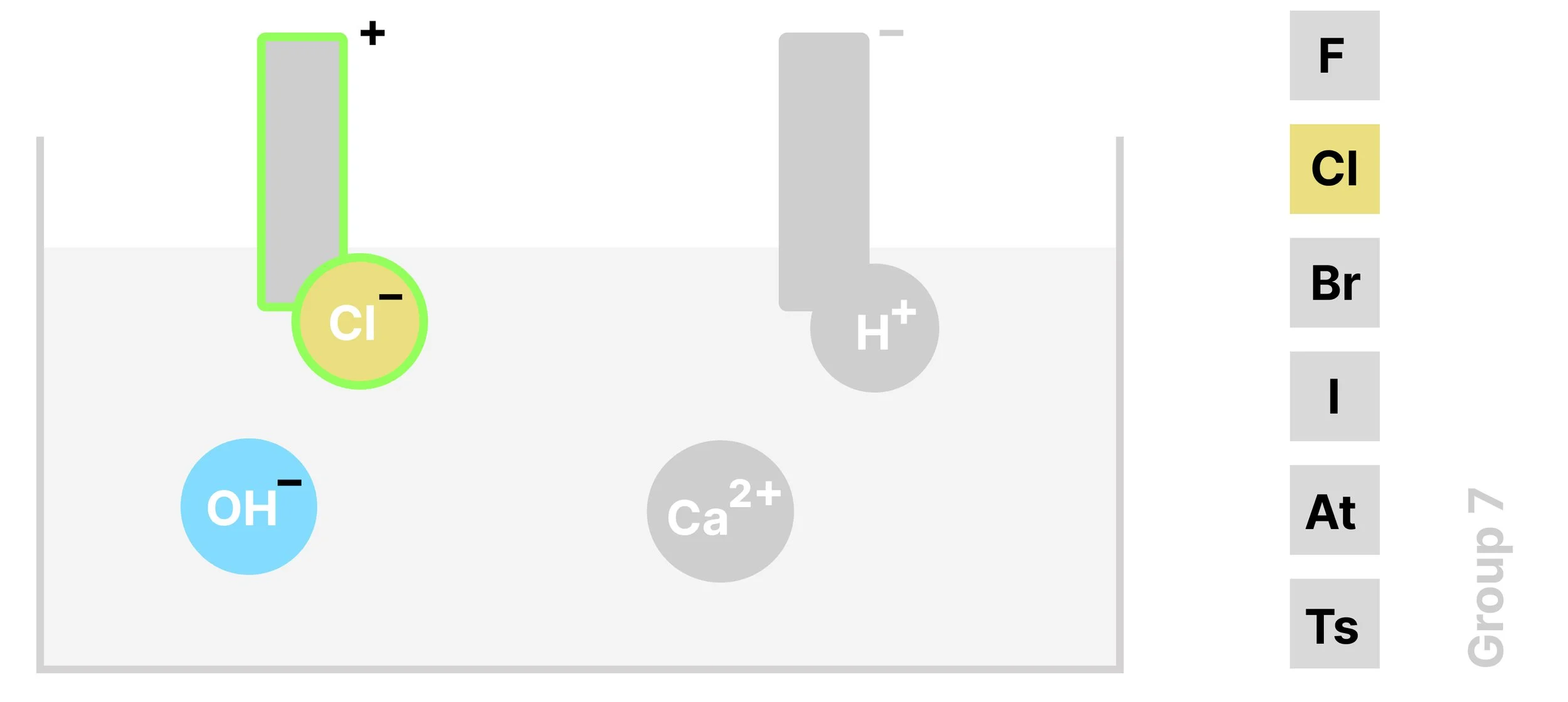
At the positive electrode (Anode), if there is a Halide ion (Group 7), it wins. Otherwise OH- wins.
Cl is in group 7 so it wins.
-
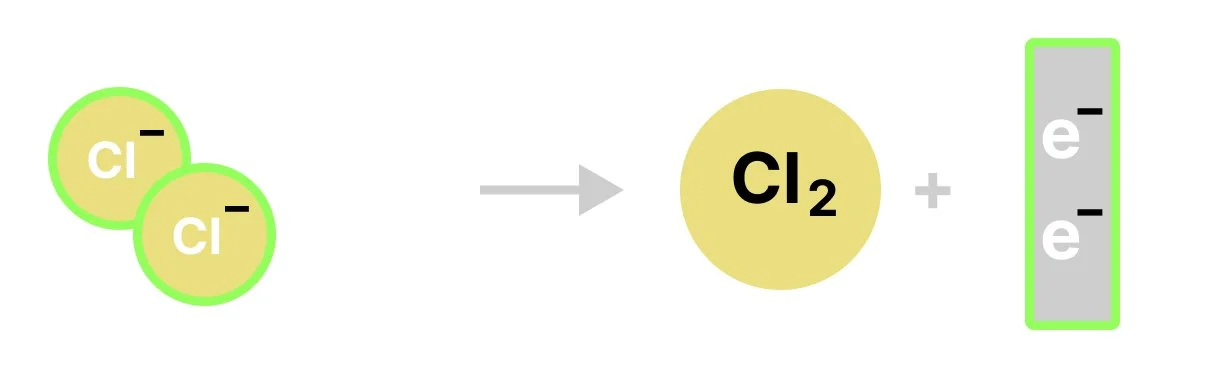
H+ ions gain negative electrons at the Cathode.
So Chlorine gas is formed at the Anode. (1 mark)
According to OIL RIG, Oxidation is Loss of electrons.
So Chlorine has been Oxidised. (1 mark)